

The United Nations Office at Geneva
Multimedia Newsroom
Les déplacés du Mozambique font face à des besoins massifs alors que les attaques s'intensifient, avertit l'OCHA
La situation humanitaire dans le nord du Mozambique continue de se détériorer fortement alors que les attaques prolongées par des groupes armés non étatiques à Nampula déclenchent l'une des plus grandes vagues de déplacement de l'année, a averti l'ONU vendredi.
Selon le bureau de coordination de l'aide de l'ONU, l'OCHA, 107 000 personnes ont fui leurs foyers ces dernières semaines, portant le total des déplacements au cours des quatre derniers mois à 330 000.
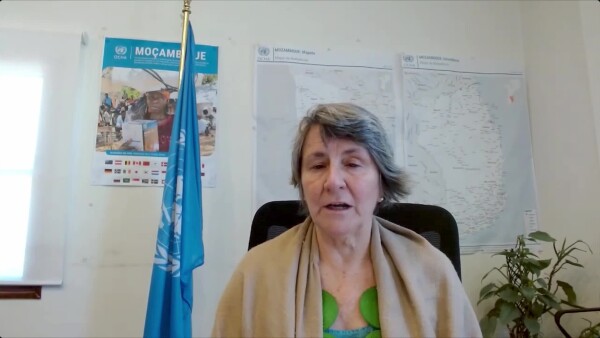
«Ils ont à peine eu le temps de se rétablir qu'ils ont de nouveau dû partir, en raison des attaques ou de la peur des attaques,» a déclaré Paola Emerson, chef du bureau de l'OCHA au Mozambique.
La vétéran humanitaire a expliqué que la violence a souvent déraciné les familles plusieurs fois alors qu'elles subissent des semaines d'attaques - un schéma inhabituel, comparé aux tactiques de frappe et de fuite précédentes.
Les données indiquent que près de neuf personnes sur dix fuyant la violence ont déjà fui au moins une fois cette année.
Mme Emerson a ajouté que cette dernière vague d'attaques a été particulièrement déstabilisante pour les communautés déjà frappées par trois cyclones en 2025.
« Une grande majorité sont des enfants, 67 pour cent,» a déclaré Mme Emerson. « Il y a de grandes préoccupations concernant la protection, avec des rapports de violence basée sur le genre et des enfants séparés ou non accompagnés.»
La plupart des familles déplacées s'abritent maintenant dans des communautés hôtes surpeuplées, des zones ouvertes et des écoles endommagées où les examens ont été perturbés dans plusieurs districts.
La distribution d'aide est bien en deçà des besoins, a noté le responsable de l'aide de l'ONU, avec seulement environ 40 pour cent des personnes recevant une aide alimentaire « lamentable », au milieu de « pénuries majeures ».
Ms. Emerson a averti que les lacunes dans l'aide forcent déjà certaines familles à retourner dans des zones dangereuses « avec très peu d'informations sur la stabilisation de la situation ».
Les agences de l'ONU ont émis des alertes répétées cette semaine. Mardi, l'agence des Nations Unies pour les réfugiés (HCR) a déclaré que des civils ont décrit des attaques nocturnes, des maisons incendiées et des personnes tuées alors que des groupes armés pénétraient dans des districts auparavant épargnés. L'agence a souligné de graves pénuries de ressources, décrivant la réponse comme « insuffisante ».
Le Fonds des Nations Unies pour l'enfance (UNICEF) a ajouté vendredi que les enfants sont poussés à bout. Il a averti de niveaux de déplacement « stupéfiants » et de violations graves croissantes, y compris des enlèvements et des recrutements. L'agence de l'ONU a déclaré que les services essentiels - santé, éducation, eau et protection - sont « sous la pression des besoins », alors que la saison des cyclones est sur le point de s'intensifier.
Les partenaires humanitaires appellent à un financement urgent pour prévenir une détérioration supplémentaire, avertissant que sans soutien rapide, la crise s'aggravera et les familles pourraient faire face à un nouveau déplacement dans les semaines à venir.
FIN
HISTOIRE : Déplacement au Mozambique UNICEF
TRT : 01:45
SOURCE : UNTV CH
RESTRICTIONS : AUCUNE
LANGUE : ANGLAIS, NATS
FORMAT : 16:9
DATE : 5 DÉCEMBRE 2025, GENÈVE, SUISSE
LISTE DE PLANS
Orateur :
- Paola Emerson, Chef de Bureau, OCHA Mozambique (parlant depuis Maputo)
1. Plan large extérieur, drapeau des Nations Unies flottant.
2. Plan large du panel lors du point de presse.
3. EXTRAIT SONORE : (ANGLAIS) Paola Emerson, Chef de Bureau, OCHA Mozambique : « Jusqu'à présent, 107 000 personnes ont quitté leurs foyers à Nampula. C'est la troisième plus grande vague de déplacement qui s'est produite, certainement au cours des quatre derniers mois. Au total, 330 000 personnes ont été déplacées. Cette année, la majorité s'est déplacée plus d'une fois, 89 pour cent avaient déjà fui par le passé. Ils ont à peine eu le temps de se rétablir qu'ils ont dû à nouveau partir, en raison d'attaques ou de la peur d'attaques. »
4. Participants au briefing et écrans.
5. EXTRAIT SONORE : (ANGLAIS) Paola Emerson, Chef de Bureau, OCHA Mozambique : « Ce sont des zones qui ont été affectées par les cyclones ; cette année, il y a eu trois cyclones. Une grande majorité sont des enfants ; 67 pour cent d'entre eux sont des enfants. Il y a de grandes préoccupations concernant la protection des personnes, avec des rapports de violences basées sur le genre et des femmes et des filles affectées, mais aussi des enfants qui sont séparés et accompagnés par leurs soignants. »
5. Panel lors du briefing.
7. EXTRAIT SONORE : (ANGLAIS) Paola Emerson, Chef de Bureau, OCHA Mozambique : « Les humanitaires essaient de faire de leur mieux avec les stocks disponibles, mais il y a des ruptures majeures de stock. Jusqu'à présent, un total de 40 000 - environ 40 pour cent du nombre total - a reçu de la nourriture pour environ deux semaines. Ils reçoivent également une aide sous forme de bons et d'autres soutiens. Mais cela est lamentablement insuffisant. »
8. Plan moyen d'un participant au briefing.
8. Plan moyen d'un participant au briefing.
8. Plan moyen d'un participant au briefing.
Similar Stories

1
1
1
Edited News | UNICEF
A little over one year since a ceasefire agreement was announced between Hamas fighters and Israel, more than 340 children have been reported killed and hundreds more injured, the UN Children’s Fund, UNICEF, said on Friday.

1
1
1
Edited News | UNICEF , IFRC
Six weeks after Nepal’s deadly flooding disaster, communities are still struggling to rebuild their lives, but they will need sustained help as global warming increases the risk of another Himalayan catastrophe, the UN Children’s Fund (UNICEF) said on Friday.

1
1
1
Edited News | WHO
In suspected Russia plague death, testing and monitoring underway – WHO
The death of a lab worker in Russia’s Siberia region has sparked concerns about plague being the cause, the UN World Health Organization (WHO) said on Tuesday, adding that it was following the situation closely.

1
1
Edited News | OHCHR , UNOG
UN Human Rights Chief Volker Türk on Friday provided and oral update to the 63rd session of the Human rights Council on Ukraine.

1
1
1
Edited News | OHCHR , UNOG
UN Human Rights Chief Volker Türk on Friday provided and oral update to the 63rd session of the Human rights Council on the human rights situation in Haiti.

1
1
1
Edited News | WHO
Repeated delays in bringing lifesaving medicines, prosthetics and more from Israel into Gaza risk having devastating consequences on Palestinians who urgently need them in the wartorn enclave, the UN World Health Organization (WHO) said on Friday. “A truck full of non-priority supplies or the right supplies arriving too late, doesn't save lives. That's the question that actually matters," said Dr Reinhilde Van De Weerdt, WHO Representative in the OPT.

1
1
1
Edited News | WHO
DRC: Early access to care and oxygen decisive for Ebola patients’ survival – WHO
In the Democratic Republic of the Congo (DRC), health workers fighting the country’s largest-ever Ebola outbreak are struggling to overcome critical challenges to patient care, the UN World Health Organization (WHO) warned on Tuesday.

1
1
1
Edited News | OCHA , UN
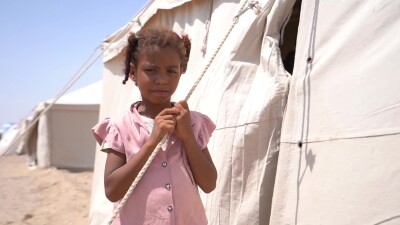
Civilians in Iran are continuing to feel the consequences of months of conflict and military escalation, the UN’s top official in the country has said, as loss of life, damage to civilian infrastructure and mounting economic pressures leave many facing continued uncertainty.
1
1
1
Edited News | WHO , UNICEF
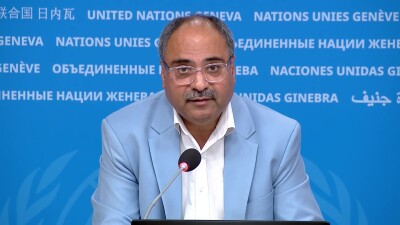
Aid agencies in Yemen highlighted the growing hunger emergency sparked by renewed fighting between Houthi opposition forces and Government troops, after mobile health clinics reported that hundreds of children displaced by the violence are suffering from the most deadly form of malnutrition.
1
1
1
Edited News | UNHCR
Displacement on the rise in Yemen as fighting continues - UNHCR
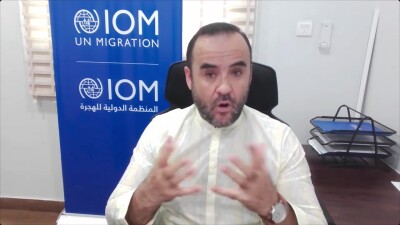
As hostilities worsen in Yemen, more people have been fleeing their homes, further intensifying the humanitarian crisis within the region, the UN Refugee Agency (UNHCR) warned on Tuesday.
1
1
1
Edited News | IOM , OHCHR , UNFPA , UNOG , UNHCR , WHO
Yemen’s humanitarian crisis growing by the hour amid spike in displacement
Yemenis displaced by renewed fighting have described fleeing for their lives amid shelling and gunfire, aid agencies reported on Friday, while highlighting the dramatic increase in humanitarian needs in the country and in Djibouti, where thousands have sought shelter.
1
1
1
Edited News | OHCHR , UNOG
The UN Human Rights Office issued on Friday a report documenting a shocking pattern of sexual violence amid Russia’s full-scale armed attack on Ukraine.