

The United Nations Office at Geneva
Multimedia Newsroom
Edited News | OHCHR , UNOG
La porte-parole des droits de l'homme, Thameen Al Kheetan, parle de la poursuite des opérations militaires israéliennes au Liban
“Selon notre examen initial, au moins 71 civils ont été tués par les forces israéliennes au Liban, depuis l'entrée en vigueur du cessez-le-feu le 27 novembre de l'année dernière. Parmi les victimes figurent 14 femmes et 9 enfants. Les gens restent saisis par la peur, et plus de 92 000 sont encore déplacés de leurs foyers,” a déclaré l'orateur Thameen-Al-Kheetan.
De plus, depuis le début du cessez-le-feu, au moins cinq roquettes, deux obus de mortier et un drone ont été lancés depuis le Liban vers le nord d'Israël, selon l'armée israélienne. Des dizaines de milliers d'Israéliens seraient encore déplacés du nord.
“La violence doit cesser immédiatement. Toutes les parties au conflit doivent respecter le droit international humanitaire, y compris les principes de distinction, de proportionnalité et de précaution. Il doit y avoir des enquêtes rapides, indépendantes et impartiales sur toutes les allégations de violations graves du droit international humanitaire, et ceux qui en sont responsables doivent être tenus pour responsables,” a déclaré Al-Kheetan lors du point de presse bihebdomadaire de l'ONU à Genève.
“Toutes les personnes déplacées à l'intérieur, au Liban et en Israël, devraient pouvoir rentrer chez elles en toute sécurité. Les restes explosifs de guerre dans le sud du Liban devraient être enlevés pour garantir que les gens puissent reprendre leur vie en toute sécurité à leur retour,” a-t-il ajouté.
“Le Haut-Commissaire des Nations Unies Volker Türk exhorte toutes les parties à respecter les engagements qu'elles ont pris dans le cadre du cessez-le-feu – qui doit évoluer vers une cessation permanente des hostilités – et à garantir le plein respect et la mise en œuvre de la Résolution 1701 du Conseil de sécurité,” a souligné Al-Kheetan.
Pour plus d'informations et demandes des médias, veuillez contacter
Ravina Shamdasani: +41 22 917 9169 / ravina.shamdasani@un.org
Thameen Al-Kheetan: +41 22 917 4232 / thameen.alkheetan@un.org
Taguez et partagez - Twitter: @UNHumanRights et Facebook: unitednationshumanrights
HISTOIRE : Orateur des Droits de l'Homme de l'ONU Thameen Al-Kheetan sur la poursuite des opérations militaires israéliennes au Liban
TRT : 01:55
SOURCE : OHCHR/UNTV
RESTRICTIONS : AUCUNE
LANGUE : Anglais/NATS
FORMAT D'IMAGE : 16:9
DATELINE : 15/04/2025 GENÈVE, SUISSE
LISTE DE PLANS :
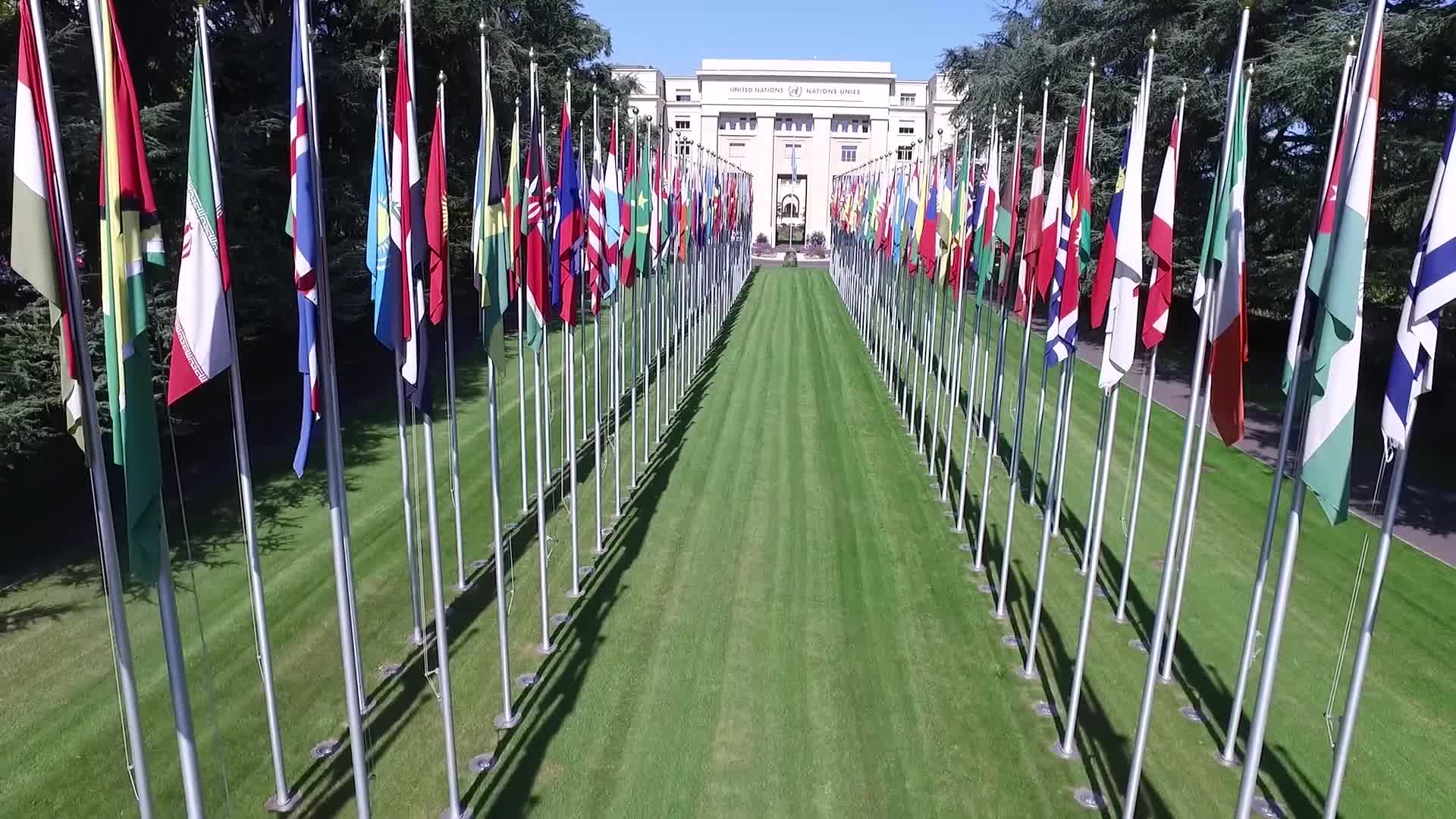
- Plan extérieur : Palais des Nations
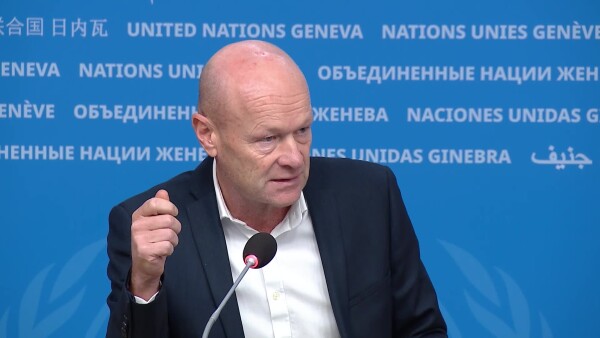
- Plan large : salle de briefing
- EXTRAIT SONORE (Anglais)—Thameen Al-Kheetan, Orateur pour le Bureau du Haut-Commissaire des Nations Unies aux droits de l'homme (OHCHR) : “Selon notre examen initial, au moins 71 civils ont été tués par les forces israéliennes au Liban, depuis l'entrée en vigueur du cessez-le-feu le 27 novembre de l'année dernière. Parmi les victimes figurent 14 femmes et 9 enfants. Les gens restent saisis par la peur, et plus de 92 000 sont encore déplacés de leurs foyers.”
- Plan de coupe : salle de briefing
- EXTRAIT SONORE (Anglais)—Thameen Al-Kheetan, Orateur pour le Bureau du Haut-Commissaire des Nations Unies aux droits de l'homme (OHCHR) : “La violence doit cesser immédiatement. Toutes les parties au conflit doivent respecter le droit humanitaire international, y compris les principes de distinction, de proportionnalité et de précaution. Il doit y avoir des enquêtes rapides, indépendantes et impartiales sur toutes les allégations de violations graves du droit humanitaire international, et ceux qui sont jugés responsables doivent être tenus pour responsables.”
- Plan de coupe : salle de briefing
- EXTRAIT SONORE (Anglais)—Thameen Al-Kheetan, Orateur pour le Bureau du Haut-Commissaire des Nations Unies aux droits de l'homme (OHCHR) : “Tous les déplacés internes, au Liban et en Israël, devraient pouvoir rentrer chez eux en toute sécurité. Les restes explosifs de guerre dans le sud du Liban devraient être enlevés pour garantir que les gens puissent reprendre leur vie en toute sécurité à leur retour.”
- Plan de coupe : salle de briefing
- EXTRAIT SONORE (Anglais)—Thameen Al-Kheetan, Orateur pour le Bureau du Haut-Commissaire des Nations Unies aux droits de l'homme (OHCHR) : “Le Haut-Commissaire des Nations Unies Volker Türk exhorte toutes les parties à respecter les engagements qu'elles ont pris dans le cadre du cessez-le-feu – qui doit se transformer en une cessation permanente des hostilités – et à assurer le plein respect et la mise en œuvre de la Résolution 1701 du Conseil de sécurité.”
- Plan de coupe : salle de briefing
Similar Stories
1
1
1
Edited News | OCHA , UNICEF , WFP
Aid agencies warned on Friday of the fast-developing humanitarian emergency inside Taiz City in Yemen, which has been encircled by de facto Houthi forces fighting government troops along the country’s west coast.

2
17
1
2
Edited News , Press Conferences , Images | OCHA , WMO
Two UN agencies teamed up on Wednesday to issue an appeal for immediate assistance to help communities already being impacted by the strongest El Niño on record.

3
16
2
2
Edited News , B-roll , Conferences , Images | UNITED NATIONS , UNOG
Sixth Consultative Meeting on Enhancing Coordination of Peace Initiatives and Efforts for Sudan

1
1
1
Edited News | UNICEF , WHO , UNHCR
Yemen war continues to force families from homes amid hunger and disease
More than 250,000 people have now fled renewed fighting in Yemen, the UN said on Tuesday, citing particular concern for those sheltering in the southwestern city of Taiz and the wider governorate, where access is “essentially blocked”.

1
1
1
Edited News | UNICEF
A little over one year since a ceasefire agreement was announced between Hamas fighters and Israel, more than 340 children have been reported killed and hundreds more injured, the UN Children’s Fund, UNICEF, said on Friday.

1
1
1
Edited News | UNICEF , IFRC
Six weeks after Nepal’s deadly flooding disaster, communities are still struggling to rebuild their lives, but they will need sustained help as global warming increases the risk of another Himalayan catastrophe, the UN Children’s Fund (UNICEF) said on Friday.

1
1
1
Edited News | WHO
In suspected Russia plague death, testing and monitoring underway – WHO
The death of a lab worker in Russia’s Siberia region has sparked concerns about plague being the cause, the UN World Health Organization (WHO) said on Tuesday, adding that it was following the situation closely.

1
1
Edited News | OHCHR , UNOG
UN Human Rights Chief Volker Türk on Friday provided and oral update to the 63rd session of the Human rights Council on Ukraine.

1
1
1
Edited News | OHCHR , UNOG
UN Human Rights Chief Volker Türk on Friday provided and oral update to the 63rd session of the Human rights Council on the human rights situation in Haiti.

1
1
1
Edited News | WHO
Repeated delays in bringing lifesaving medicines, prosthetics and more from Israel into Gaza risk having devastating consequences on Palestinians who urgently need them in the wartorn enclave, the UN World Health Organization (WHO) said on Friday. “A truck full of non-priority supplies or the right supplies arriving too late, doesn't save lives. That's the question that actually matters," said Dr Reinhilde Van De Weerdt, WHO Representative in the OPT.

1
1
1
Edited News | WHO
DRC: Early access to care and oxygen decisive for Ebola patients’ survival – WHO
In the Democratic Republic of the Congo (DRC), health workers fighting the country’s largest-ever Ebola outbreak are struggling to overcome critical challenges to patient care, the UN World Health Organization (WHO) warned on Tuesday.

1
1
1
Edited News | OCHA , UN
Civilians in Iran are continuing to feel the consequences of months of conflict and military escalation, the UN’s top official in the country has said, as loss of life, damage to civilian infrastructure and mounting economic pressures leave many facing continued uncertainty.