

The United Nations Office at Geneva
Multimedia Newsroom
Edited News | UNHCR
Un an de guerre au Soudan et son impact sur le Soudan du Sud - HCR - 09 avril 2024
Guerre au Soudan : dans un exode massif, 1 800 personnes par jour cherchent refuge dans le pays le plus pauvre du monde - HCR
Alors que le conflit au Soudan approche de sa première année, plus de 25 millions de personnes font face à une crise humanitaire sans fin en vue. Le pays et ses voisins connaissent l'une des plus grandes et des plus difficiles crises humanitaires et de déplacement au monde, selon l'agence des Nations Unies pour les réfugiés.
“Le nombre de Soudanais forcés de fuir a maintenant dépassé les 8,5 millions de personnes, dont 1,8 million ont franchi les frontières,” a déclaré Olga Sarrado, porte-parole du HCR, s'adressant aux journalistes à Genève. Des milliers de Soudanais continuent de franchir les frontières quotidiennement depuis le 15 avril 2023, dans un exode humain d'une ampleur extrêmement rare sauf aux premiers stades du conflit.
Le Soudan du Sud reçoit le plus grand afflux de personnes en provenance du Soudan voisin, selon le HCR.
“Six cent trente-cinq mille personnes sont arrivées au Soudan du Sud depuis le 15 avril de l'année dernière,” a déclaré Marie-Hélène Verney, représentante du HCR au Soudan du Sud, expliquant que cela représente plus de 5 % de la population du Soudan du Sud.
En termes comparatifs, cela équivaudrait à 4,5 millions de réfugiés arrivant en Allemagne, ou 17,6 millions de personnes fuyant vers les États-Unis, en moins d'un an.
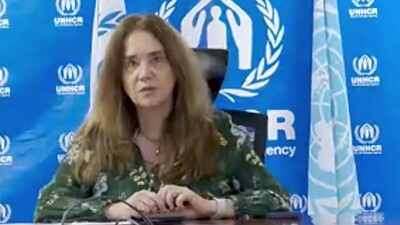
“C'est le pays le plus pauvre du monde,” a déclaré Mme Verney, s'exprimant depuis la capitale du Soudan du Sud, Juba. “Vous pouvez imaginer la pression qui a été exercée sur ce pays depuis le 15 avril. La moyenne quotidienne des arrivées depuis le 15 avril de l'année dernière est de 1 800 personnes par jour. Par jour. Chaque jour,” a-t-elle souligné.
Ceux qui franchissent les frontières, principalement des femmes et des enfants, arrivent dans des zones reculées ayant désespérément besoin de nourriture, d'eau, d'abris et de soins médicaux. De nombreuses familles ont été séparées et arrivent en détresse.
Les craintes grandissent que l'économie ne s'effondre et que l'insécurité ne s'aggrave au Soudan du Sud après qu'un de ses principaux oléoducs, qui passe par le Soudan, ait été endommagé et forcé de fermer. L'incident s'est produit en février dans l'État du Nil Blanc au Soudan, une zone contrôlée par les Forces de soutien rapide paramilitaires, qui combattent l'armée soudanaise pour le pouvoir dans le pays. Le pétrole représente environ 95 % des revenus déclarés du Soudan du Sud.
“Depuis le mois dernier, cet oléoduc est fermé car le Soudan n'est plus en mesure de l'entretenir en raison du conflit. Cela a eu un impact massif sur l'économie du Soudan du Sud, tout le pays, avec une inflation incroyablement rapide de la livre sud-soudanaise et, de manière générale, un manque de revenus entrant dans le pays,” a expliqué Marie-Hélène Verney.
Le Soudan du Sud faisait partie du Soudan jusqu'en 2011, et les économies des deux pays sont très interconnectées.
Alors que la crise des réfugiés s'aggrave, la communauté internationale est sous pression croissante pour prendre des mesures urgentes. Le HCR a déjà observé une augmentation des mouvements de réfugiés soudanais vers l'Europe, avec 6 000 arrivées en Italie depuis la Tunisie et la Libye depuis le début de 2023 - une augmentation presque six fois supérieure à l'année précédente.
“Malgré l'ampleur de la crise, nous continuons de constater que le financement reste extrêmement faible,” a déclaré Olga Sarrado. Seuls sept pour cent des besoins définis dans le Plan régional de réponse aux réfugiés pour le Soudan 2024 ont été satisfaits. De même, le Plan de réponse humanitaire pour l'intérieur du Soudan n'est financé qu'à six pour cent.
Le HCR, l'agence des Nations Unies pour les réfugiés, coordonne le Plan régional de réponse aux réfugiés, qui demande 1,4 milliard de dollars et cible près de 2,7 millions de personnes dans cinq pays voisins du Soudan. Le Bureau de la coordination des affaires humanitaires des Nations Unies (OCHA) s'occupe de la réponse à l'intérieur du Soudan : le Plan de besoins et de réponse humanitaire de cette année appelle à 2,7 milliards de dollars pour atteindre 14,7 millions de personnes.
Les deux plans visent à soutenir quelque 17,4 millions de personnes au Soudan et dans la région.
Fin
TRT : 2’28”
SOURCE : UNTV CH
LANGUE : ANGLAIS
FORMAT D'IMAGE : 16:9
DATE LIMITE : 09 avril 2024 - GENÈVE, SUISSE
Conférence de presse de Genève
LISTE DES PLANS
- Plan moyen extérieur : allée des drapeaux des Nations Unies
- Plan large de la salle de conférence de presse avec des journalistes
- DÉCLARATION (Anglais) Olga Sarrado, porte-parole du HCR : “Alors que la guerre au Soudan continue de faire rage, le pays et ses voisins réagissent à l'une des crises humanitaires et de déplacement les plus importantes et les plus complexes au monde. Le nombre de Soudanais contraints de fuir a maintenant dépassé les 8,5 millions de personnes, dont 1,8 million ont franchi les frontières.”
- Plan large du podium de la salle de presse avec des orateurs
- DÉCLARATION (Anglais) Marie-Hélène Verney, représentante du HCR au Soudan du Sud (s'exprimant depuis Juba) : “635 000 personnes sont arrivées au Soudan du Sud depuis le 15 avril de l'année dernière, ce qui représente plus de cinq pour cent de la population du Soudan du Sud. Donc, je pense que si nous voulons faire une comparaison, si nous parlons de l'Allemagne, cela représenterait 4,5 millions de personnes arrivant en un an, en moins d'un an. Et si nous parlons des États-Unis, cela représenterait 17,6 millions de personnes arrivant en moins d'un an.”
- Plan moyen : journalistes dans la salle de conférence de presse
- DÉCLARATION (Anglais) Marie-Hélène Verney, représentante du HCR au Soudan du Sud (s'exprimant depuis Juba) : “C'est le pays le plus pauvre du monde. Donc, vous pouvez imaginer la pression qui a été exercée sur ce pays depuis le 15 avril. Moyenne quotidienne des arrivées depuis le 15 avril dernier, il y a un an, est de 1 800 personnes par jour, chaque jour.”
- Plan moyen de la caméra et de la régie de la salle de presse
- DÉCLARATION (Anglais) Marie-Hélène Verney, représentante du HCR au Soudan du Sud (s'exprimant depuis Juba) : “Au cours des derniers mois, la situation économique du pays s'est encore détériorée en raison de l'oléoduc : le Soudan du Sud produit du pétrole, mais ne le raffine pas, et donc, tout le pétrole produit au Soudan du Sud va au Soudan pour y être raffiné et exporté. Depuis le mois dernier, cet oléoduc a été fermé car le Soudan n'est plus en mesure de l'entretenir en raison du conflit. Cela a eu un impact massif sur l'économie du Soudan du Sud, sur l'ensemble du pays, avec une inflation rapide de la livre soudanaise et, de manière générale, un manque de revenus entrant dans le pays.”
- Plan de coupe : journaliste prenant des notes
- DÉCLARATION (Anglais) Olga Sarrado, porte-parole du HCR : “Malgré l'ampleur de la crise, nous constatons que le financement reste extrêmement faible. Le Plan régional de réponse aux réfugiés 2024 n'est financé qu'à hauteur de sept pour cent. Et la situation est très similaire pour le Plan de réponse humanitaire à l'intérieur du Soudan”
- Divers plans de la salle de presse
Similar Stories

1
1
1
Edited News | OCHA , UNICEF , WFP
Aid agencies warned on Friday of the fast-developing humanitarian emergency inside Taiz City in Yemen, which has been encircled by de facto Houthi forces fighting government troops along the country’s west coast.

2
17
1
2
Edited News , Press Conferences , Images | OCHA , WMO
Two UN agencies teamed up on Wednesday to issue an appeal for immediate assistance to help communities already being impacted by the strongest El Niño on record.

3
16
2
2
Edited News , B-roll , Conferences , Images | UNITED NATIONS , UNOG
Sixth Consultative Meeting on Enhancing Coordination of Peace Initiatives and Efforts for Sudan

1
1
1
Edited News | UNICEF , WHO , UNHCR
Yemen war continues to force families from homes amid hunger and disease
More than 250,000 people have now fled renewed fighting in Yemen, the UN said on Tuesday, citing particular concern for those sheltering in the southwestern city of Taiz and the wider governorate, where access is “essentially blocked”.

1
1
1
Edited News | UNICEF
A little over one year since a ceasefire agreement was announced between Hamas fighters and Israel, more than 340 children have been reported killed and hundreds more injured, the UN Children’s Fund, UNICEF, said on Friday.

1
1
1
Edited News | UNICEF , IFRC
Six weeks after Nepal’s deadly flooding disaster, communities are still struggling to rebuild their lives, but they will need sustained help as global warming increases the risk of another Himalayan catastrophe, the UN Children’s Fund (UNICEF) said on Friday.

1
1
1
Edited News | WHO
In suspected Russia plague death, testing and monitoring underway – WHO
The death of a lab worker in Russia’s Siberia region has sparked concerns about plague being the cause, the UN World Health Organization (WHO) said on Tuesday, adding that it was following the situation closely.

1
1
Edited News | OHCHR , UNOG
UN Human Rights Chief Volker Türk on Friday provided and oral update to the 63rd session of the Human rights Council on Ukraine.

1
1
1
Edited News | OHCHR , UNOG
UN Human Rights Chief Volker Türk on Friday provided and oral update to the 63rd session of the Human rights Council on the human rights situation in Haiti.

1
1
1
Edited News | WHO
Repeated delays in bringing lifesaving medicines, prosthetics and more from Israel into Gaza risk having devastating consequences on Palestinians who urgently need them in the wartorn enclave, the UN World Health Organization (WHO) said on Friday. “A truck full of non-priority supplies or the right supplies arriving too late, doesn't save lives. That's the question that actually matters," said Dr Reinhilde Van De Weerdt, WHO Representative in the OPT.

1
1
1
Edited News | WHO
DRC: Early access to care and oxygen decisive for Ebola patients’ survival – WHO
In the Democratic Republic of the Congo (DRC), health workers fighting the country’s largest-ever Ebola outbreak are struggling to overcome critical challenges to patient care, the UN World Health Organization (WHO) warned on Tuesday.

1
1
1
Edited News | OCHA , UN
Civilians in Iran are continuing to feel the consequences of months of conflict and military escalation, the UN’s top official in the country has said, as loss of life, damage to civilian infrastructure and mounting economic pressures leave many facing continued uncertainty.