

The United Nations Office at Geneva
Multimedia Newsroom
HISTORIA
En medio de los bombardeos continuos y el desplazamiento constante en la Franja de Gaza, así como la desesperada escasez de ayuda, los humanitarios de la ONU advirtieron hoy (19 de enero) sobre las condiciones desgarradoras, especialmente para las madres y los recién nacidos en el enclave palestino devastado por la guerra.
“Convertirse en madre debería ser un momento de celebración. Pero en Gaza, es otro niño entregado al infierno,” dijo Tess Ingram, Especialista en Comunicaciones del Fondo de las Naciones Unidas para la Infancia (UNICEF). “La humanidad no puede permitir que su versión distorsionada de la normalidad persista por más tiempo. Las madres y los recién nacidos necesitan un alto el fuego humanitario.”
Las madres enfrentan desafíos inimaginables para acceder a una atención médica adecuada, nutrición y protección antes, durante y después del parto. Las cesáreas se han realizado sin anestesia, según la Sra. Ingram de UNICEF.
“En los 105 días de esta escalada en la Franja de Gaza, casi 20,000 bebés han nacido en la guerra. Eso es un bebé nacido en esta horrenda guerra aproximadamente cada 10 minutos,” dijo la Sra. Ingram, quien hablaba desde Amán en Jordania después de regresar del sur de Gaza.
La Especialista en Comunicaciones de UNICEF citó su conversación con una enfermera llamada Webda, quien supuestamente ha realizado cesáreas de emergencia en seis mujeres muertas en las últimas ocho semanas. “Ella me dice que también hay más abortos espontáneos ahora debido al aire insalubre y el humo debido a los bombardeos. Y esto ha sucedido más veces de las que puedo contar. La situación de las mujeres embarazadas y los recién nacidos en la Franja de Gaza es increíble, y exige acciones intensificadas e inmediatas.”
La Sra. Ingram informó que “el bombardeo constante y el desplazamiento impactan directamente a los recién nacidos, resultando en tasas más altas de desnutrición, problemas de desarrollo y otras complicaciones de salud”.
UNICEF estima que alrededor de 135,000 niños menores de dos años están en riesgo de desnutrición severa. La disponibilidad de agua para beber y uso doméstico en Gaza está disminuyendo cada día. Niveles récord de diarrea y otras enfermedades causadas por la mala sanidad y el hambre, informó la organización de salud de la ONU (OMS).
Al 18 de enero, el Ministerio de Salud en Gaza declaró que se habían registrado más de 8,000 casos de Hepatitis A viral como resultado del hacinamiento en los refugios. Se espera que el número de casos de hepatitis se duplique en los refugios abarrotados.
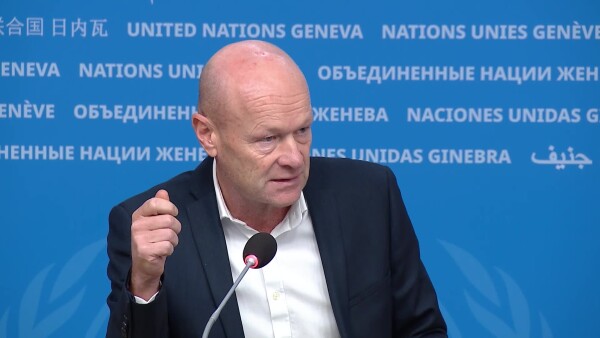
Informando a los periodistas desde Gaza, el Sr. Ajith Sunghay, Jefe de la Oficina de Derechos Humanos de la ONU (OHCHR) en el Territorio Palestino Ocupado, expresó profunda preocupación porque “casi 25,000 personas han sido reportadas como muertas, según el Ministerio de Salud de Gaza. El 70 por ciento de ellas son mujeres y niños. Al menos otros 61,500 han resultado heridos. Varios miles más están bajo los escombros, muchos presuntamente muertos.”
Sunghay dijo que “logró reunirse con varios detenidos liberados. Estos son hombres que fueron detenidos por las Fuerzas de Seguridad de Israel en lugares desconocidos por entre 30 y 55 días. Describieron ser golpeados, humillados, sometidos a malos tratos y a lo que puede equivaler a tortura.”
Agregó que “informaron haber sido vendados durante largos períodos, algunos de ellos durante varios días consecutivos. Un hombre dijo que tuvo acceso a una ducha solo una vez durante sus 55 días de detención. Hay informes de hombres que fueron liberados posteriormente, pero solo con pañales sin ropa adecuada en este clima frío.”
El Sr. Sunghay recordó que “Israel debe tomar medidas urgentes para garantizar que todos los arrestados o detenidos sean tratados de acuerdo con los derechos humanos internacionales y el derecho humanitario internacional, normas y estándares, especialmente con pleno respeto por los derechos del debido proceso. A menos que Israel pueda demostrar razones imperiosas de seguridad para cada persona que permanece detenida, deben ser acusados o liberados.”
Al 18 de enero, los servicios de telecomunicaciones en Gaza han permanecido cerrados por el sexto día consecutivo, desde el 12 de enero, sumando a la confusión y el miedo.
“Es un ambiente de olla a presión aquí, en medio del caos total, dada la terrible situación humanitaria, las carencias y el miedo y la ira generalizados,” dijo el Sr. Sunghay.
-fin-
HISTORIA: Actualización de Gaza - UNICEF - OHCHR
TRT: 3:13”
FUENTE: UNTV CH
RESTRICCIONES: NINGUNA
IDIOMA: INGLÉS / NATS
RELACIÓN DE ASPECTO: 16:9
FECHA: 19 de enero de 2024 GINEBRA, SUIZA
- Toma media exterior: pasillo de la bandera de la ONU
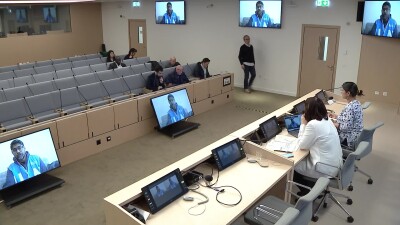
- Plano general: oradores en la conferencia de prensa
- DECLARACIÓN (Inglés) – Tess Ingram, Especialista en Comunicación de UNICEF: “En los 105 días de esta escalada en la Franja de Gaza, casi 20,000 bebés han nacido en medio de la guerra. Eso significa que nace un bebé en esta horrenda guerra aproximadamente cada 10 minutos.”
- Toma media: sala de prensa con camarógrafa
- DECLARACIÓN (Inglés) – Tess Ingram, Especialista en Comunicación de UNICEF: “Convertirse en madre debería ser un momento de celebración. Pero en Gaza, es otro parto que requiere ayuda. La humanidad no puede permitir que su versión distorsionada de la normalidad persista por más tiempo. Las madres y los recién nacidos necesitan un alto el fuego humanitario.”
- Plano general: sala de prensa con periodistas y oradores en el podio
- DECLARACIÓN (Inglés) – Tess Ingram, Especialista en Comunicación de UNICEF: “La enfermera Webda ha realizado cesáreas de emergencia en seis mujeres fallecidas en las últimas ocho semanas. Me dice que también hay más abortos espontáneos ahora debido al aire insalubre y al humo provocado por los bombardeos. Y esto ha sucedido más veces de las que puedo contar. La situación de las mujeres embarazadas y los recién nacidos en la Franja de Gaza es inimaginable, y requiere acciones intensificadas e inmediatas.”
- Toma media: sala de prensa con periodistas
- DECLARACIÓN (Inglés) – Ajith Sunghay, Jefe de la Oficina de Derechos Humanos de la ONU en el Territorio Palestino Ocupado: “Estamos alcanzando otro hito impactante en Gaza. Casi 25,000 personas reportadas como fallecidas, según el Ministerio de Salud de Gaza. El 70% de ellas son mujeres y niños. Al menos otras 61,500 han resultado heridas. Varias miles más están bajo los escombros, muchas presumiblemente muertas.”
- Plano general: sala de prensa con periodistas y oradores en el podio
- DECLARACIÓN (Inglés) – Ajith Sunghay, Jefe de la Oficina de Derechos Humanos de la ONU en el Territorio Palestino Ocupado: “Tuve la oportunidad de reunirme con varios detenidos liberados. Estos son hombres que fueron detenidos por las Fuerzas de Seguridad de Israel en lugares desconocidos durante un período de entre 30 y 55 días. Describieron haber sido golpeados, humillados, sometidos a malos tratos y a lo que podría considerarse tortura.”
- Plano general: sala de prensa con periodistas y camarógrafa filmando
- DECLARACIÓN (Inglés) – Ajith Sunghay, Jefe de la Oficina de Derechos Humanos de la ONU en el Territorio Palestino Ocupado: “Relataron haber sido vendados en los ojos durante largos períodos, algunos de ellos durante varios días consecutivos. Un hombre dijo que solo tuvo acceso a una ducha una vez durante sus 55 días de detención. Hay informes de hombres que, posteriormente a su liberación, solo llevaban pañales sin ropa adecuada en este clima frío.”
- Plano general: sala de prensa con periodistas y oradores en el podio
- DECLARACIÓN (Inglés) – Ajith Sunghay, Jefe de la Oficina de Derechos Humanos de la ONU en el Territorio Palestino Ocupado: “Israel debe tomar medidas urgentes para garantizar que todas las personas arrestadas o detenidas sean tratadas de acuerdo con las normas y estándares internacionales de derechos humanos y derecho internacional humanitario, en particular con pleno respeto a los derechos procesales. A menos que Israel pueda demostrar motivos de seguridad imperativos para cada persona que permanezca detenida, deben ser acusadas o puestas en libertad.”
- Primer plano: periodistas escuchando
- Primer plano: camarógrafa filmando
- Toma media: periodistas escuchando
Similar Stories
1
1
1
Edited News | OCHA , UNICEF , WFP
Aid agencies warned on Friday of the fast-developing humanitarian emergency inside Taiz City in Yemen, which has been encircled by de facto Houthi forces fighting government troops along the country’s west coast.

2
17
1
2
Edited News , Press Conferences , Images | OCHA , WMO
Two UN agencies teamed up on Wednesday to issue an appeal for immediate assistance to help communities already being impacted by the strongest El Niño on record.

3
16
2
2
Edited News , B-roll , Conferences , Images | UNITED NATIONS , UNOG
Sixth Consultative Meeting on Enhancing Coordination of Peace Initiatives and Efforts for Sudan

1
1
1
Edited News | UNICEF , WHO , UNHCR
Yemen war continues to force families from homes amid hunger and disease
More than 250,000 people have now fled renewed fighting in Yemen, the UN said on Tuesday, citing particular concern for those sheltering in the southwestern city of Taiz and the wider governorate, where access is “essentially blocked”.

1
1
1
Edited News | UNICEF
A little over one year since a ceasefire agreement was announced between Hamas fighters and Israel, more than 340 children have been reported killed and hundreds more injured, the UN Children’s Fund, UNICEF, said on Friday.

1
1
1
Edited News | UNICEF , IFRC
Six weeks after Nepal’s deadly flooding disaster, communities are still struggling to rebuild their lives, but they will need sustained help as global warming increases the risk of another Himalayan catastrophe, the UN Children’s Fund (UNICEF) said on Friday.

1
1
1
Edited News | WHO
In suspected Russia plague death, testing and monitoring underway – WHO
The death of a lab worker in Russia’s Siberia region has sparked concerns about plague being the cause, the UN World Health Organization (WHO) said on Tuesday, adding that it was following the situation closely.

1
1
Edited News | OHCHR , UNOG
UN Human Rights Chief Volker Türk on Friday provided and oral update to the 63rd session of the Human rights Council on Ukraine.

1
1
1
Edited News | OHCHR , UNOG
UN Human Rights Chief Volker Türk on Friday provided and oral update to the 63rd session of the Human rights Council on the human rights situation in Haiti.

1
1
1
Edited News | WHO
Repeated delays in bringing lifesaving medicines, prosthetics and more from Israel into Gaza risk having devastating consequences on Palestinians who urgently need them in the wartorn enclave, the UN World Health Organization (WHO) said on Friday. “A truck full of non-priority supplies or the right supplies arriving too late, doesn't save lives. That's the question that actually matters," said Dr Reinhilde Van De Weerdt, WHO Representative in the OPT.

1
1
1
Edited News | WHO
DRC: Early access to care and oxygen decisive for Ebola patients’ survival – WHO
In the Democratic Republic of the Congo (DRC), health workers fighting the country’s largest-ever Ebola outbreak are struggling to overcome critical challenges to patient care, the UN World Health Organization (WHO) warned on Tuesday.

1
1
1
Edited News | OCHA , UN
Civilians in Iran are continuing to feel the consequences of months of conflict and military escalation, the UN’s top official in the country has said, as loss of life, damage to civilian infrastructure and mounting economic pressures leave many facing continued uncertainty.