

The United Nations Office at Geneva
Multimedia Newsroom
Edited News | OHCHR , UNOG
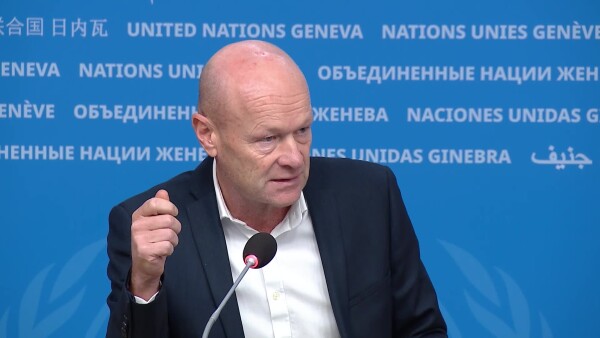
UN Human Rights Spokesperson Thameen Al Kheetan on impact of Israeli airstrikes in Lebanon
“Another tragic chapter in Lebanon’s history is being written, bringing more suffering to civilians. Since 2 March, at least 886 people have been killed, including at least 111 children, according to Lebanese authorities. Israeli airstrikes have destroyed hundreds of homes and civilian infrastructure, including healthcare facilities. At the same time, Hezbollah fighters have launched indiscriminate barrages of rockets at Israel, injuring people and causing damage to residential buildings and other civilian infrastructure,” he said.
“In many instances, Israeli airstrikes have destroyed entire residential buildings in dense urban environments, with multiple members of the same family, including women and children, often killed together. Such attacks raise serious concerns under international humanitarian law,” Al-Kheetan said.
People displaced by the fighting and living in tents along Beirut’s seafront have also been hit, and in recent days, at least 16 medical staff have been killed.
“Deliberately attacking civilians or civilian objects amounts to a war crime. In addition, international law provides for specific protections for healthcare workers as well as people at heightened risk, such as the elderly, women, and displaced people,” Al-Kheetan said.
International law provides for specific protections for healthcare workers, as well as people at heightened risk such as the elderly, women and displaced people.
“Meanwhile, Israel has extended its extensive warnings and displacement orders across southern Lebanon, adding the region between the Litani and Zahrani rivers to the broad swath of Lebanese territory already covered by such measures. These orders may amount to forced displacement, prohibited under international humanitarian law,” the spokesperson added.
“Large numbers of displaced people have lost their homes and are left without any safe place to stay. Entire families are sleeping in makeshift tents on the streets, exposed to harsh weather such as the recent storms,” he said.
Others remain in temporary shelters or with host communities, where overcrowding is reaching breaking point. Multiple families are squeezed into single apartments or shared spaces, with tensions rising amid soaring living costs.
“With this displacement comes a wide array of human rights concerns: Proper healthcare, sufficient food and drinking water are lacking. Education has been interrupted for another academic year, freedom of movement no longer exists, and livelihoods have now been lost. And while people are displaced, Israeli attacks are destroying and damaging their houses, farmland and other civilian infrastructure,” Al-Kheetan said.
“Statements by Israeli officials threatening to impose the same level of destruction on Lebanon as inflicted in Gaza are wholly unacceptable. Such rhetoric, coupled with the Israeli military’s announcement that it will deploy additional forces and expand its ground incursion, intensify deep fear and anxiety among the Lebanese population,” he stated.
ENDS
For more information and media requests, please contact:
In Geneva
Ravina Shamdasani: +41 22 917 9169 / ravina.shamdasani@un.org
Jeremy Laurence: +41 22 917 9383 / jeremy.laurence@un.org
Thameen Al-Kheetan: +41 22 917 4232 / thameen.alkheetan@un.org
Facebook unitednationshumanrights
Instagram @unitednationshumanrights
STORY: UN Human Rights Spokesperson Thameen Al-Kheetan on impact of Israeli airstrikes in Lebanon
TRT: 03:40
SOURCE: OHCHR / UNOG
RESTRICTIONS: NONE
LANGUAGE: English/NATS
ASPECT RATIO: 16:9
DATELINE: 17 March 2026 GENEVA, SWITZERLAND
SHOTLIST
- Exterior shot: Palais des Nations
- Interior shot: Briefing room
- SOUNDBITE (English)— Thameen Al-Kheetan, UN Human Rights Spokesperson (OHCHR): “Another tragic chapter in Lebanon’s history is being written, bringing more suffering to civilians. Since 2 March, at least 886 people have been killed, including at least 111 children, according to Lebanese authorities. Israeli airstrikes have destroyed hundreds of homes and civilian infrastructure, including healthcare facilities. At the same time, Hezbollah fighters have launched indiscriminate barrages of rockets at Israel, injuring people and causing damage to residential buildings and other civilian infrastructure.”
- Cutaways: briefing room
- SOUNDBITE (English)— Thameen Al-Kheetan, UN Human Rights Spokesperson (OHCHR): “In many instances, Israeli airstrikes have destroyed entire residential buildings in dense urban environments, with multiple members of the same family, including women and children, often killed together. Such attacks raise serious concerns under international humanitarian law.”
- Cutaways: briefing room
- SOUNDBITE (English)— Thameen Al-Kheetan, UN Human Rights Spokesperson (OHCHR): “Deliberately attacking civilians or civilian objects amounts to a war crime. In addition, international law provides for specific protections for healthcare workers as well as people at heightened risk, such as the elderly, women, and displaced people.”
- Cutaways: briefing room
- SOUNDBITE (English)— Thameen Al-Kheetan, UN Human Rights Spokesperson (OHCHR): “Meanwhile, Israel has extended its extensive warnings and displacement orders across southern Lebanon, adding the region between the Litani and Zahrani rivers to the broad swath of Lebanese territory already covered by such measures. These orders may amount to forced displacement, prohibited under international humanitarian law.”
- Cutaways: briefing room
- SOUNDBITE (English)— Thameen Al-Kheetan, UN Human Rights Spokesperson (OHCHR): “Large numbers of displaced people have lost their homes and are left without any safe place to stay. Entire families are sleeping in makeshift tents on the streets, exposed to harsh weather such as the recent storms.”
- Cutaways: briefing room
- SOUNDBITE (English)— Thameen Al-Kheetan, UN Human Rights Spokesperson (OHCHR): “With this displacement comes a wide array of human rights concerns: proper healthcare, sufficient food and drinking water are lacking. Education has been interrupted for another academic year, freedom of movement no longer exists, and livelihoods have now been lost. And while people are displaced, Israeli attacks are destroying and damaging their houses, farmland and other civilian infrastructure.”
- Cutaways: briefing room
- SOUNDBITE (English)— Thameen Al-Kheetan, UN Human Rights Spokesperson (OHCHR): “Statements by Israeli officials threatening to impose the same level of destruction on Lebanon as inflicted in Gaza are wholly unacceptable. Such rhetoric, coupled with the Israeli military’s announcement that it will deploy additional forces and expand its ground incursion, intensify deep fear and anxiety among the Lebanese population.”
Similar Stories
1
1
1
Edited News | OCHA , UNICEF , WFP
Aid agencies warned on Friday of the fast-developing humanitarian emergency inside Taiz City in Yemen, which has been encircled by de facto Houthi forces fighting government troops along the country’s west coast.

2
17
1
2
Edited News , Press Conferences , Images | OCHA , WMO
Two UN agencies teamed up on Wednesday to issue an appeal for immediate assistance to help communities already being impacted by the strongest El Niño on record.
3
16
2
2
Edited News , B-roll , Conferences , Images | UNITED NATIONS , UNOG
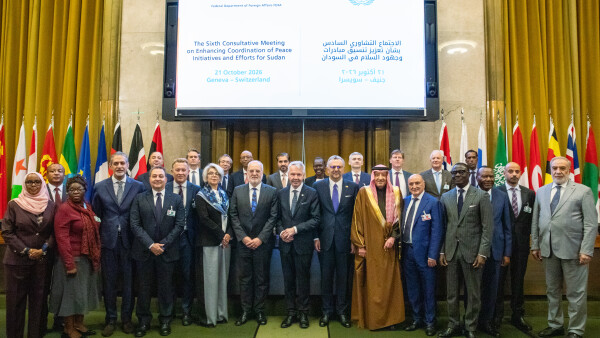
Sixth Consultative Meeting on Enhancing Coordination of Peace Initiatives and Efforts for Sudan
1
1
1
Edited News | UNICEF , WHO , UNHCR
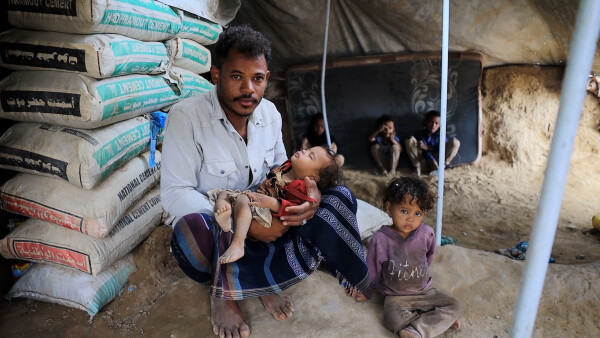
Yemen war continues to force families from homes amid hunger and disease
More than 250,000 people have now fled renewed fighting in Yemen, the UN said on Tuesday, citing particular concern for those sheltering in the southwestern city of Taiz and the wider governorate, where access is “essentially blocked”.

1
1
1
Edited News | UNICEF
A little over one year since a ceasefire agreement was announced between Hamas fighters and Israel, more than 340 children have been reported killed and hundreds more injured, the UN Children’s Fund, UNICEF, said on Friday.

1
1
1
Edited News | UNICEF , IFRC
Six weeks after Nepal’s deadly flooding disaster, communities are still struggling to rebuild their lives, but they will need sustained help as global warming increases the risk of another Himalayan catastrophe, the UN Children’s Fund (UNICEF) said on Friday.

1
1
1
Edited News | WHO
In suspected Russia plague death, testing and monitoring underway – WHO
The death of a lab worker in Russia’s Siberia region has sparked concerns about plague being the cause, the UN World Health Organization (WHO) said on Tuesday, adding that it was following the situation closely.

1
1
Edited News | OHCHR , UNOG
UN Human Rights Chief Volker Türk on Friday provided and oral update to the 63rd session of the Human rights Council on Ukraine.

1
1
1
Edited News | OHCHR , UNOG
UN Human Rights Chief Volker Türk on Friday provided and oral update to the 63rd session of the Human rights Council on the human rights situation in Haiti.

1
1
1
Edited News | WHO
Repeated delays in bringing lifesaving medicines, prosthetics and more from Israel into Gaza risk having devastating consequences on Palestinians who urgently need them in the wartorn enclave, the UN World Health Organization (WHO) said on Friday. “A truck full of non-priority supplies or the right supplies arriving too late, doesn't save lives. That's the question that actually matters," said Dr Reinhilde Van De Weerdt, WHO Representative in the OPT.

1
1
1
Edited News | WHO
DRC: Early access to care and oxygen decisive for Ebola patients’ survival – WHO
In the Democratic Republic of the Congo (DRC), health workers fighting the country’s largest-ever Ebola outbreak are struggling to overcome critical challenges to patient care, the UN World Health Organization (WHO) warned on Tuesday.

1
1
1
Edited News | OCHA , UN
Civilians in Iran are continuing to feel the consequences of months of conflict and military escalation, the UN’s top official in the country has said, as loss of life, damage to civilian infrastructure and mounting economic pressures leave many facing continued uncertainty.