

The United Nations Office at Geneva
Multimedia Newsroom
Navi Pillay Retires After Decades Defending Human Rights and Pursuing Justice
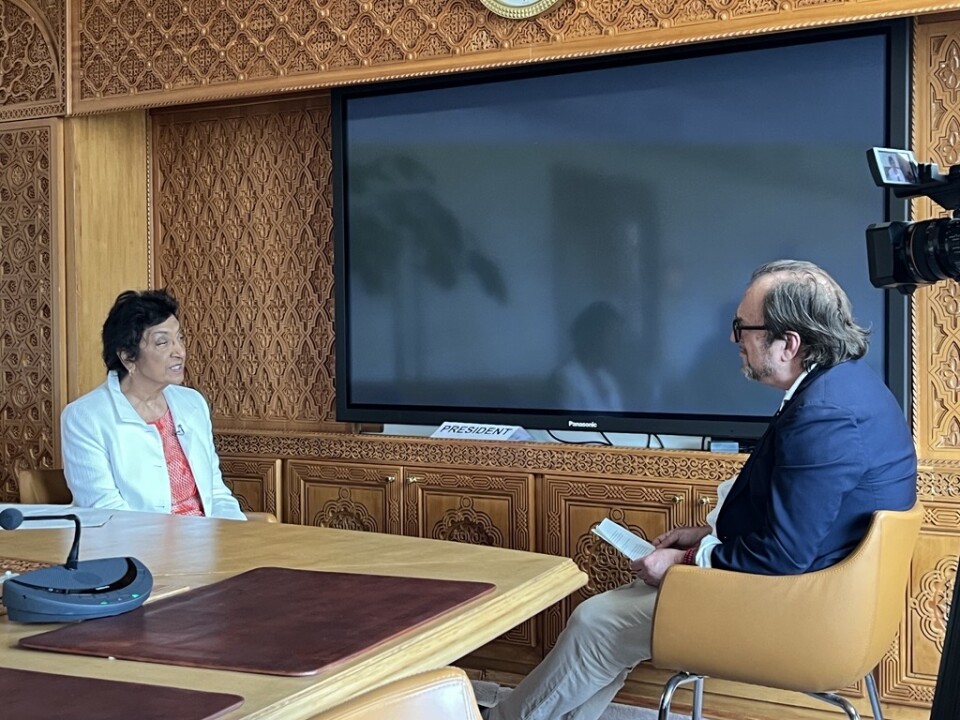
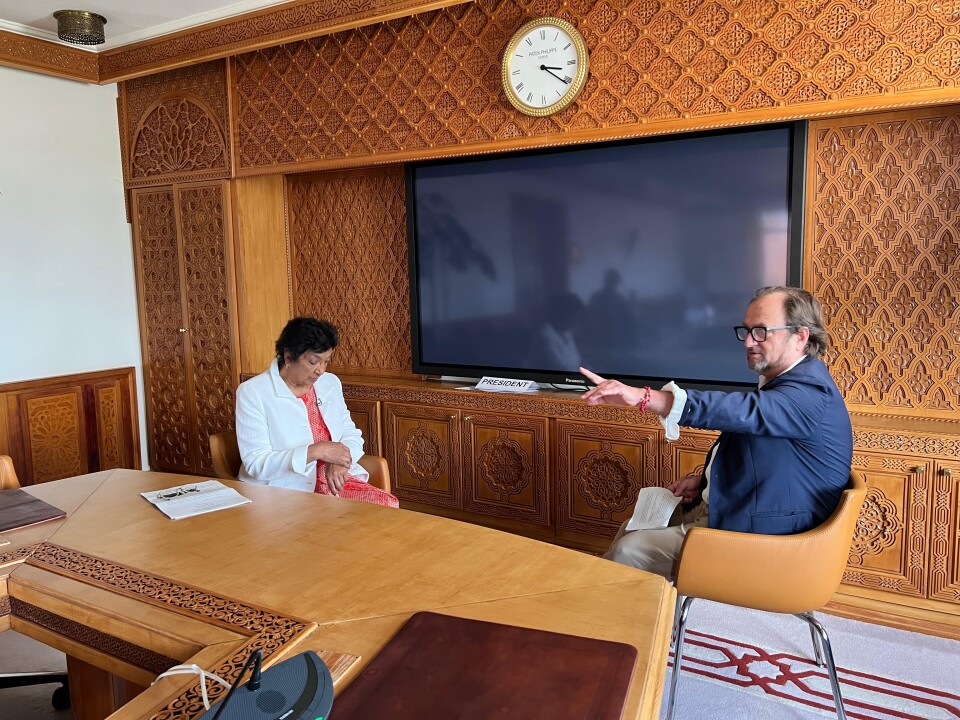
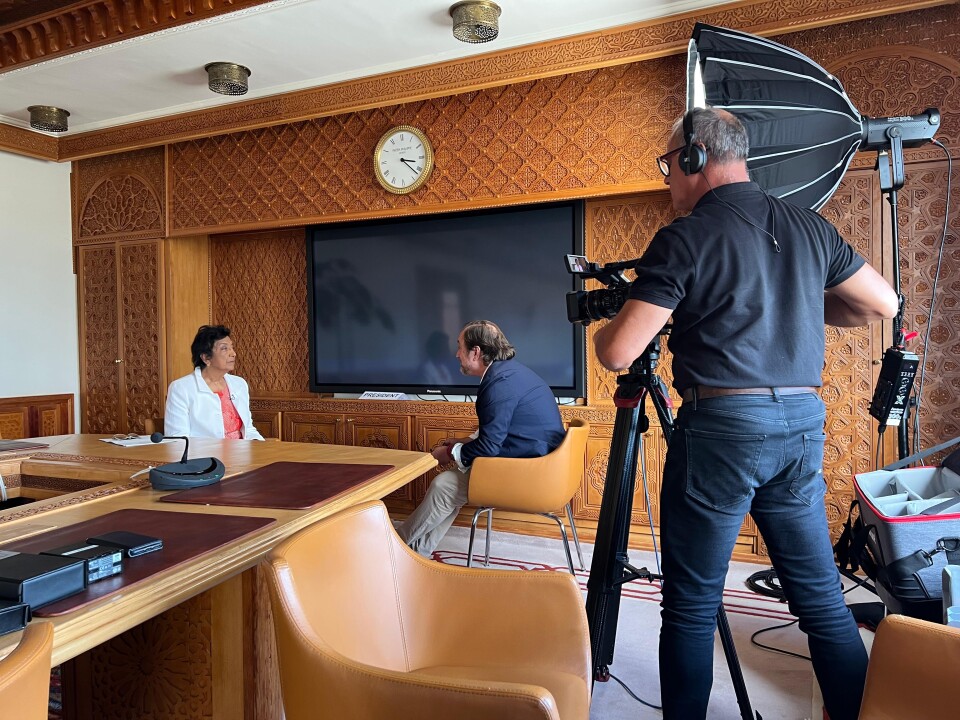
Navi Pillay, Chair of the United Nations Independent International Commission of Inquiry on the Occupied Palestinian Territory, including East Jerusalem, and Israel, is stepping down after a career spanning more than five decades — a lifetime spent fighting for human rights, justice, and equality.
Her journey began far from the halls of the United Nations — in humble beginnings in apartheid-era South Africa.
“We grew up very poor,” Ms. Pillay confided. “My father was a bus driver, and then seven children, the usual seven children. I tell the story because most people assume that in my country if you are Indian you're better off than the African people. Yes, so all of us were poor and we struggled together.” Reflecting on these struggles, Ms, Pillay said “ it's worth it - one’s reward is worth it, when you have helped someone who's helpless.”
Pillay was the first non-white woman to open her own law practice in apartheid South Africa, where she defended human rights activists and political prisoners denied basic legal rights.
Her experiences in those years made her a firm believer in the power of collective action to halt injustice. “Obviously, we are very grateful for the collective action taken by the whole world to end apartheid. And I often cite that as a positive experience,” Ms. Pillay mused.“
I didn't think apartheid would end in my lifetime. So, what happened? We had the collective support of people all over the world, even children. If we can achieve that, we can have a better human rights protection system,” she said.
Her experience fighting apartheid shaped her belief in international solidarity — a belief she carried into her role as a judge at the International Criminal Tribunal for Rwanda (ICTR), where she helped establish new legal precedents in the fight against genocide and gender-based violence.
“Working in the Rwanda tribunal was extremely difficult, it was a rural area,” she recalled. “What are we doing there? When we first went there was no bank or supermarket, no postal addresses. I complained and complained about that until I started listening to the witnesses. And what am I complaining about when they’ve been through so much suffering?”
At the ICTR, Pillay presided over landmark cases, including the first case in international law to recognize rape as an act of genocide. Her work there helped redefine global understanding of accountability and justice for victims of mass atrocities.
Her success in Rwanda led to her appointment as a judge on the International Criminal Court and later, in 2008, as the United Nations High Commissioner for Human Rights. In Geneva, she continued to champion the participation of civil society and victims’ voices in shaping global human rights standards.
“When the UN started, it was just a club for the States,” Pillay said. “Everything we have today for human rights protection didn’t happen just because the States woke up one day. It comes from the pressure of civil society. That’s why I value these institutions,” she emphasized.
As High Commissioner, Pillay often felt stymied by the workings of the United Nations’ most powerful body, the Security Council.
“The Security Council having the veto is deeply frustrating,” she said. “Their job is to ensure peace, and yet conflicts and killings are taking place without any intervention. It’s a flawed system. “But it’s still the best we have today,” she added, referring to the United Nations.
In her final role, as Chair of the UN Commission of Inquiry on the Occupied Palestinian Territory, Pillay continued to confront difficult questions.
“The statements made by the top politicians, they do amount to incitement to genocide,” she said in reference to Israel’s conduct of the war in Gaza. The Commission’s recent findings detailed grave violations in Gaza — and called for accountability at the highest levels.
“Analysis concluded that the State of Israel is responsible for the commission of four genocidal acts in Gaza with the specific intent to destroy Palestinians in Gaza,” Ms. Pillay said. “We also found that the Israeli President, Prime Minister, and former Defence Minister have incited the commission of genocide.”
“We found that Israeli officials have demonstrated a clear and precise intent to establish permanent military control over Gaza and to change its demographic composition… The objectives of ethnic cleansing and settlement remain firmly in place,” she added.
Pillay has faced criticism from some governments and political figures who accuse her of bias — charges she has consistently rejected.“I would prefer that our critics tell us which piece of that evidence is false, and why?” In response to the criticism directed at her work on Israel, she said that the Commission “got much of this information from people inside Israel.” “Tell us which factor is wrong,” she said, inviting critics to engage with the evidence instead of questioning her motives.
Navi Pillay’s career has shaped a remarkable arc in the global struggle for universal human rights — from the fight against apartheid to the defense of civilians in conflict zones. Across every chapter of her life’s work, she never hesitated to speak truth to power, championing the principle that human rights belong to everyone, everywhere.
-ends-
Shotlist: Navi Pillay
Story: Interview: Navi Pillay Steps Down
Speaker: Navi Pillay Chair of the UN Independent International Commission of Inquiry on the Occupied Palestinian Territory, including East Jerusalem, and Israel
TRT: 06’45”
SOURCE: UNTV CH
LANGUAGE: ENGLISH / NATS
ASPECT RATIO: 16:9
DATELINE: 16 September 2025 - GENEVA, SWITZERLAND
1. Medium shot: Flag alley United Nations, Geneva Switzerland.
2. Wide shot: Navi Pillay in the Palais des Nations walking into the interview room.
3. Wide shot: Navi Pillay walking and preparing herself for the interview.
4. SOUNDBITE (English) – Navi Pillay Chair of the UN Independent International Commission of Inquiry on the Occupied Palestinian Territory, including East Jerusalem, and Israel: “We grew up very poor. My father was a bus driver, and then seven children, the usual seven children. I tell the story because most people assume that in my country you are Indian you're better off than African people. Yes. So, all of us were poor and we struggled together. And it's worth it. One’s reward is worth it, when you have helped someone who's helpless.”
5. Wide shot, Pillay walking into town in Goree, Senegal 18 March 2011.
6. Various shots, sculpture commemorating slavery in Goree, Senegal 18 March 2011.
7. Wide shot, Pillay walking into town Goree, Senegal 18 March 2011.
8. SOUNDBITE (English) – Navi Pillay Chair of the UN Independent International Commission of Inquiry on the Occupied Palestinian Territory, including East Jerusalem, and Israel: “Obviously, we are very grateful for the collective action taken by the whole world to end apartheid. And I often cite that as a positive experience, I didn't think apartheid will end in my lifetime. So, what happened? We had the collective support of people all over the world, even children. If we can achieve that, we can have a better human rights protection system.”
9. Human right council in Geneva Room 20, Palais des Nations, 15 October 2009.
10. Navi Pillay as United Nations High Commissioner for Human Rights in the human rights council in the Palais des Nations, room 20, Geneva, 15 October 2009.
11. SOUNDBITE (English) – Navi Pillay Chair of the UN Independent International Commission of Inquiry on the Occupied Palestinian Territory, including East Jerusalem, and Israel: “Working in the Rwanda tribunal was extremely difficult, it was a rural area. What are we doing there? When we first went there was no bank or supermarket, no postal addresses. I complained and complained about that until I started listening to the witnesses. And what am I complaining about when they've been through so much suffering?”
12. Medium shot, Navi Pillay listening to Peacekeeper commander in Bor, South Sudan, 29 April 2014.
13. Various shots, Navi Pillay visiting a watch tower in Bor, South Sudan, 29 April 2014.
14. SOUNDBITE (English) – Navi Pillay Chair of the UN Independent International Commission of Inquiry on the Occupied Palestinian Territory, including East Jerusalem, and Israel: “We know when the UN started, it was just a club for the States. They didn't entertain civil society participation. So, everything we have today for human rights protection, all the institutions, including the office of the High Commissioner for Human Rights, did not happen just because the States woke up some day and said, oh, we have to do more to protect human rights. They didn't. It comes from the pressure of civil society. That's why I value these institutions, and that's why I feel we have a responsibility to make them work, in line with the expectations of the people out there.”
15. Various shots, archive footage of the league of Nations in Geneva.
16. SOUNDBITE (English) – Navi Pillay Chair of the UN Independent International Commission of Inquiry on the Occupied Palestinian Territory, including East Jerusalem, and Israel: “The Security Council having the vote (veto) is deeply frustrating, that almost dysfunctional. Their job is there to ensure peace and yet these conflicts and killings and maiming of children are taking place without any intervention by the Security Council. So, I say it's a flawed system, but it's still the best we have today”.
17. Wide shot, UN headquarters in New York, 12 February 2013.
18. Security Council Chamber, New York, 12 February 2013.
19. Wide shot, delegates of China and Azerbaijan in the Security Council Chamber, New York, 12 February 2013.
20. Navi Pillay as United Nations High Commissioner for Human Rights presenting her findings to the Security Council in the Security Council Chamber, New York, 12 February 2013.
21. SOUNDBITE (English) – Navi Pillay Chair of the UN Independent International Commission of Inquiry on the Occupied Palestinian Territory, including East Jerusalem, and Israel: “The statements made by the top politicians, which I referred to, it is all in our report. We look at those statements, and they do amount to incitement to genocide.”
22. Various shots, showing an overwhelmed Emergency Department. Injured people being bought in for treatment, others lying on the floor waiting to be treated, doctors examining and treating patients on the floor, blood and used medical supplies on the floor, distressed adults and children, 14 September 2025, Al-Shifa Medical Complex, Gaza City.
23. SOUNDBITE (English) – Navi Pillay Chair of the UN Independent International Commission of Inquiry on the Occupied Palestinian Territory, including East Jerusalem, and Israel: “I would prefer that our critics tell us where did we go wrong. Which piece of that evidence is false, and why. Obviously, they didn't let us in, but all right, so we got all of this information, mainly from, people inside Israel. Tell us which factor is wrong.”
24. Wide shot, UN Geneva press room with journalists.
25. Close up shot, Navi Pillay on the podium in the UN Geneva press room presenting the findings of the UN Independent International Commission of Inquiry on the Occupied Palestinian Territory, including East Jerusalem, and Israel to the press.
26. Wide shot, Navi Pillay on the podium in the UN Geneva press room with the member of the UN Independent International Commission of Inquiry on the Occupied Palestinian Territory, including East Jerusalem, and Israel to the press.
27. SOUNDBITE (English) – Navi Pillay Chair of the UN Independent International Commission of Inquiry on the Occupied Palestinian Territory, including East Jerusalem, and Israel: “You see, the world told Israel very clearly where they were wrong and where they were falsifying. The killing of those ambulance people and then they buried the ambulance. So, it was all false until it was discovered. And the cell phone of one of the people they killed. These are all humanitarian workers. That is what I would say is falsehood and then they were exposed.”
28. Medium shot of PRCS, CD and OCHA staffers digging through the sand and the rubble, recovering bodies on the 26, 27, 30 March 2025 in Tal-al-Sultan, Rafah.
29. Wide shot, UN Convoy approaching Tal Al Sultan, finding wrecked UN car on the road 26, 27, 30 March 2025 in Tal-al-Sultan, Rafah.
30. Wide shot of United Nations headquarters in New York, USA.
31. Wide shot of the press room in the United Nations headquarter in New York, USA with speaker on the podium and Navi Pillay on the screen.
32. SOUNDBITE (English) – Navi Pillay Chair of the UN Independent International Commission of Inquiry on the Occupied Palestinian Territory, including East Jerusalem, and Israel: “Analysis concluded that the State of Israel is responsible for the commission of four genocidal acts in Gaza with the specific intent to destroy Palestinians in Gaza. We also found that the Israeli President, Prime Minister, and former Defence Minister have incited the commission of genocide. These findings remain fully valid and continue to serve as a cornerstone for the Commission's ongoing efforts to ensure accountability.”
33. Medium shot of a journalist sitting in the press room in the United Nations, New York, USA.
34. SOUNDBITE (English) – Navi Pillay Chair of the UN Independent International Commission of Inquiry on the Occupied Palestinian Territory, including East Jerusalem, and Israel: “We found that Israeli officials have demonstrated a clear and consistent intent to establish permanent military control over Gaza and to change its demographic composition. We remain deeply concerned over this issue as the changes already made to land and borders have not been meaningfully reversed, despite the recent ceasefire, and statements by Israeli officials makes it clear that objections of ethnic cleansing and the establishment of settlement in the Gaza Strip remain firmly in place.”
35. Wide shot of the press room in the United Nations headquarter in New York, USA with journalists in the room, speaker on the podium and Navi Pillay on the screen.

Similar Stories

1
1
1
Edited News | UNICEF
A little over one year since a ceasefire agreement was announced between Hamas fighters and Israel, more than 340 children have been reported killed and hundreds more injured, the UN Children’s Fund, UNICEF, said on Friday.

1
1
1
Edited News | UNICEF , IFRC
Six weeks after Nepal’s deadly flooding disaster, communities are still struggling to rebuild their lives, but they will need sustained help as global warming increases the risk of another Himalayan catastrophe, the UN Children’s Fund (UNICEF) said on Friday.

1
1
1
Edited News | WHO
In suspected Russia plague death, testing and monitoring underway – WHO
The death of a lab worker in Russia’s Siberia region has sparked concerns about plague being the cause, the UN World Health Organization (WHO) said on Tuesday, adding that it was following the situation closely.

1
1
Edited News | OHCHR , UNOG
UN Human Rights Chief Volker Türk on Friday provided and oral update to the 63rd session of the Human rights Council on Ukraine.

1
1
1
Edited News | OHCHR , UNOG
UN Human Rights Chief Volker Türk on Friday provided and oral update to the 63rd session of the Human rights Council on the human rights situation in Haiti.

1
1
1
Edited News | WHO
Repeated delays in bringing lifesaving medicines, prosthetics and more from Israel into Gaza risk having devastating consequences on Palestinians who urgently need them in the wartorn enclave, the UN World Health Organization (WHO) said on Friday. “A truck full of non-priority supplies or the right supplies arriving too late, doesn't save lives. That's the question that actually matters," said Dr Reinhilde Van De Weerdt, WHO Representative in the OPT.

1
1
1
Edited News | WHO
DRC: Early access to care and oxygen decisive for Ebola patients’ survival – WHO
In the Democratic Republic of the Congo (DRC), health workers fighting the country’s largest-ever Ebola outbreak are struggling to overcome critical challenges to patient care, the UN World Health Organization (WHO) warned on Tuesday.

1
1
1
Edited News | OCHA , UN
Civilians in Iran are continuing to feel the consequences of months of conflict and military escalation, the UN’s top official in the country has said, as loss of life, damage to civilian infrastructure and mounting economic pressures leave many facing continued uncertainty.
1
1
1
Edited News | WHO , UNICEF
Aid agencies in Yemen highlighted the growing hunger emergency sparked by renewed fighting between Houthi opposition forces and Government troops, after mobile health clinics reported that hundreds of children displaced by the violence are suffering from the most deadly form of malnutrition.
1
1
1
Edited News | UNHCR
Displacement on the rise in Yemen as fighting continues - UNHCR
As hostilities worsen in Yemen, more people have been fleeing their homes, further intensifying the humanitarian crisis within the region, the UN Refugee Agency (UNHCR) warned on Tuesday.
1
1
1
Edited News | IOM , OHCHR , UNFPA , UNOG , UNHCR , WHO
Yemen’s humanitarian crisis growing by the hour amid spike in displacement
Yemenis displaced by renewed fighting have described fleeing for their lives amid shelling and gunfire, aid agencies reported on Friday, while highlighting the dramatic increase in humanitarian needs in the country and in Djibouti, where thousands have sought shelter.
1
1
1
Edited News | OHCHR , UNOG
The UN Human Rights Office issued on Friday a report documenting a shocking pattern of sexual violence amid Russia’s full-scale armed attack on Ukraine.