

The United Nations Office at Geneva
Multimedia Newsroom
STORYLINE
Global maritime trade grew by 2.4% in 2023, recovering from a 2022 contraction, but the recovery remains fragile.
Key chokepoints like the Suez and Panama Canals are increasingly vulnerable to geopolitical tensions, conflicts and climate change.
These disruptions are extending shipping routes, straining supply chains and raising costs, with profound impacts on food security, energy supplies and the global economy, as over 80% of world trade volume is carried by sea.
Vulnerable economies, especially small island developing States and least developed countries, are hit hardest by rising shipping costs from rerouted vessels.
The Review of Maritime Transport 2024 highlights these challenges, calling for urgent action to strengthen industry resilience, accelerate decarbonization and support vulnerable economies.
It underscores the need for new infrastructure that is sustainable and resilient, a faster transition to low-carbon shipping and a crackdown on fraudulent ship registrations to safeguard global trade.
Production date: 22 October 2024
Creator: UNCTAD
Subject topical: ECONOMICS
Corporate name: UN TRADE AND DEVELOPMENT – UNCTAD
REVIEW OF MARITIME TRANSPORT 2024 – LAUNCH IN GENEVA
UN Trade and Development (UNCTAD) launched today the Review of Maritime Transport 2024: Navigating maritime chokepoints, which addresses critical vulnerabilities in global maritime routes, including the Suez and Panama canals.
DESCRIPTION
STORY: UNCTAD / Review of Maritime Transport
TRT: 02:55
SOURCE: UNCTAD
RESTRICTIONS: NONE
LANGUAGE: ENGLISH / NATS
WEBSITE: https://unctad.org/rmt2024
DATELINE: 22 OCTOBER 2024, GENEVA, SWITZERLAND
SHOTLIST
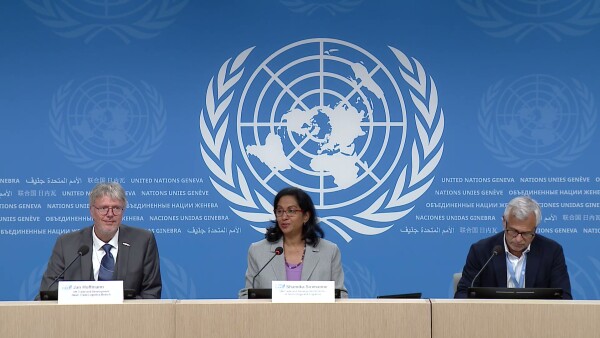
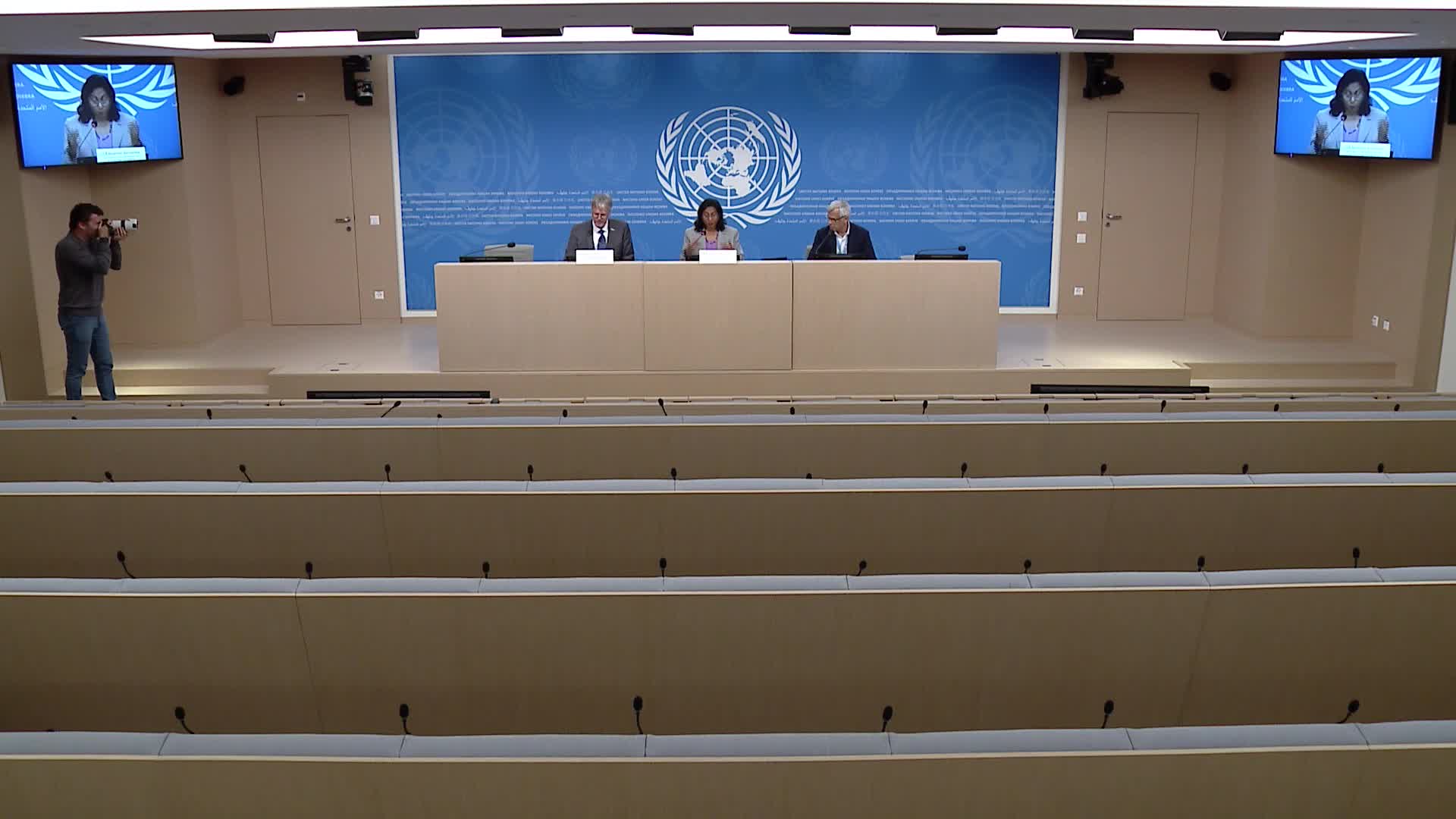
1. Wide shot, speakers at the podium of the press conference; speaker on screens, photographer taking pictures
2. SOUNDBITE (English) Shamika Sirimanne, UN Trade and Development, Director of Technology and Logistics: « We project maritime trade to grow at an average annual rate of 2.4% in the medium term. This is between 2025 and 2029, and containerized trade to increase by 2.7% in the medium term. Now, we believe that this growth to be supported by technological advancements, the transition to cleaner energy and renewed interest in investing in maritime and trade infrastructure. »
3. Medium shot, speakers on the podium; speaker on the screens; Photographer taking pictures.
4. SOUNDBITE (English) Shamika Sirimanne, UN Trade and Development, Director of Technology and Logistics: « The downside risks loom high for this medium-term projection. The geopolitical upheavals, unrelenting conflicts and wars never, never bode well for international trade. Rising protectionism and the resultant trade restrictions are on the rise. »
5. Medium shot, journalists in the press room; speaker on screen
6. SOUNDBITE (English) Shamika Sirimanne, UN Trade and Development, Director of Technology and Logistics: « And many low-income countries are faced with rising debt burdens, elevated borrowing cost and and they are unable to face further external shocks. You see, when the future is uncertain or the future is very uncertain as consumers us, what we do first is to tighten belts and we don't spend and invest, just go into the wait and see mode. »
7. Med shot, journalists in the press room
8. SOUNDBITE (English) Shamika Sirimanne, UN Trade and Development, Director of Technology and Logistics: « maritime choke points in several places have been acting up. The result is significant pressure on global logistics and strained supply chains. »
9. Wide shot, speakers at the podium of the press conference; speaker on screens, photographer taking pictures
10. SOUNDBITE (English) Shamika Sirimanne, UN Trade and Development, Director of Technology and Logistics: « By mid 2024, container freight rates more than doubled compared to the end 2023. And also red sea disruption has had significant impact on container rates. While rates have gone down in recent months. They are far above the rates observed prior to the Covid 19 pandemic, and this is a very big concern. And most importantly, high and volatile freight rates and the uncertainty they bring to the cost of doing business on a significant deterrent for international trade. »
11. Medium shot, speaker on the screens; journalist in the room; Photographer taking pictures.
12. SOUNDBITE (English) Shamika Sirimanne, UN Trade and Development, Director of Technology and Logistics: « Who bears the cost? So, when maritime chokepoints act up, small island developing states and least developed countries are hit the hardest in terms of rising price levels of food and other essential goods. »
13. Medium shot, speaker on the screens; Photographer taking pictures.
14. Medium shot, journalist in the room.
15. Photographer taking pictures in the room.
Similar Stories
1
1
1
Press Conferences | UNHCR
End of UNHCR's 77th Annual Executive Committee (ExCom) meeting week
1
1
1
Press Conferences | UNICEF , IOM , UNHCR
UN Special Assistant to the Personal Envoy Office (SUDAN): Peace Initiatives and Efforts in Sudan; UNICEF: Dire situation of children in Gaza; IOM: Damaged Homes and Energy Attacks Risk Displacing Ukrainians for this winter; UNHCR: update on EXCOM week
1
1
1
Press Conferences | IOM , UNDRR
UN stresses importance of household preparedness for disaster risk reduction.
1
1
1
Statements , Press Conferences | OHCHR
1
1
1
Press Conferences | UNHCR , UNICEF , IFRC , OHCHR , UN WOMEN , IOM , OCHA , WHO
UNHCR – ExCom Meeting, UNICEF – Nepal Recovery, IFRC – Flash Floods, WHO – Mental Health, IOM – South Sudan Floods, OCHA – DRC Humanitarian aid, UNHCR – Sahel Displacement, UNICEF – Yemen Update, IOM – Gaza Shelter, UN Women – Gaza Women, OHCHR – Arrests and detentions of Syrians by Israeli force
2
1
2
Press Conferences | UNCTAD
Presentation of the Trade and Developement Report 2026
Embargoed until 9 October 2026 at 11 a.m. (Geneva Time)
UNCTAD: UNCTAD’s flagship report finds that governments increasingly use industrial, trade, financial and technology policies to pursue economic and national security objectives. Market access and the ability to move into higher-value activities now depend more heavily on technology, finance and geopolitics.
1
1
1
Press Conferences | UPU
Release of the State of the Postal Sector Report 2026
1
1
1
Press Conferences | IOM , ITU , UNECE , UNICEF , WHO , WMO
UNICEF: Ebola, DRC - children orphans or separating them from parents and caregivers; IOM: Humanitarian needs in Djibouti amid arrivals from Yemen and increased migrant movements; WHO: Darfur, scale of health needs far exceeds available resources; WMO co-sponsored Global Heat Forum, Bangkok, monthly Global Seasonal Climate Update; UNECE: UN Forum of Mayors; ITU Plenipotentiary Conference 2026; WHO: child and adolescent obesity guidelines and new global roadmap to tackle pregnancy hypertension, a leading cause of maternal mortality
1
1
1
Press Conferences | OCHA , UN WOMEN , UNHCR , WFP , WHO , WTO , UNEP
OCHA – $160M CERF allocation to 12 underfunded crises; UNHCR – 5.8M refugee children remain out of school amid funding cuts; UN Women – Middle East escalation and food security among women/girls; WHO – Gaza supplies and overall situation; WFP – Yemen food insecurity and impact on global hunger ; UNEP - First International Conference of the Global Framework on Chemicals in Geneva | 16-20 November 2026
1
1
1
Press Conferences | UNHCR , WHO
Yemen's health system nears collapse amid conflict, causing rising casualties and medicine shortages.
1
1
1
Press Conferences | HRC
Update by the Expert Mechanism to Advance Racial Justice and Equality in Law Enforcement
1
1
1
Press Conferences | WIPO , WHO , UNICEF , UNHCR , IOM , WFP , FAO
WIPO Global Innovation Index 2026 launch and press conference, WHO Composition of influenza vaccines for the 2027 Southern Hemisphere flu season, UNICEF Yemen hunger and malnutrition; UNHCR Sudan displacement into Chad; IOM Ebola and population movements in DRC; WFP emergency food assistance in Nepal; and FAO food loss and waste.