

The United Nations Office at Geneva
Multimedia Newsroom
Humanitarian needs in DR Congo are spiralling, warns UN top aid official
“The Democratic Republic of the Congo is a neglected crisis with increasing humanitarian needs," the UN’s top aid official in the country warned on Monday.
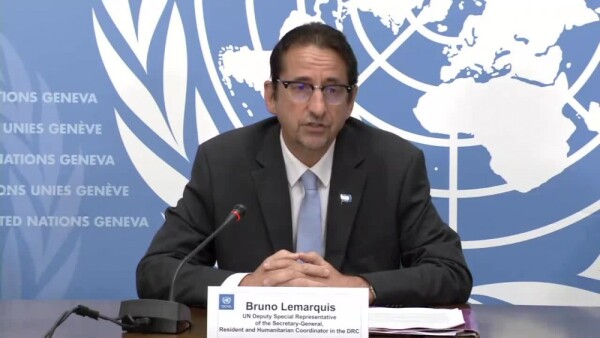
The Democratic Republic of the Congo (DRC) remains a protracted humanitarian crisis which is a very acute and very complex one but also one of the most neglected ones, warned Bruno Lemarquis, Deputy Special Representative of the Secretary-General, Resident Coordinator and Humanitarian Coordinator while stressing the rising need for humanitarian assistance
“The situation is definitely not business as usual. The DRC protracted humanitarian crisis remains very acute and very complex, and according to the Norwegian Refugee Council, it is the most neglected humanitarian crisis in the world”, Mr. Lemarquis told reporters on Monday in Geneva. It's mostly due to conflict, but also to epidemics, to disasters, and is compounded by many factors, including the lack of state presence in some areas and the lack of infrastructure.”
According to Mr. Lemarquis, the DRC has the highest number of food insecure people in the world with 26.4 million people. There are an additional 6.4 million people, especially children under five, that are acutely malnourished and 6.3 million internally displaced people in the country, the highest number in Africa.
“Since March 2022, the situation has really worsened, especially with the resurgence of the so-called M23 movement,” said Mr. Lemarquis. “The humanitarian needs, which were already very high, have increased further. They have skyrocketed with additional population displacement, in particular the resurgence of the M23 had direct consequences with over one million additional displaced population, mostly in North Kivu and mostly around the town of Goma.”
Most of these displaced are living in informal settlements and in a dire situation since people need shelter, food, water, sanitation and health services. These settlements have also caused a sharp rise in sexual and gender-based violence.
There have been "steep increases in the number of acts of sexual violence against women and girls, in particular in these sites,” reported Mr. Lemarquis. “GBV [Gender-based violence] is at a record high. More than 38,000 cases of GBV cases were signaled in North Kivu in 2022, and already for the first three months of 2023 there has been a 37 per cent increase.”
Apart from conflict, there are other factors worsening the humanitarian situation.
“This year there is particularly virulent measles epidemics with high numbers”, said the Resident Coordinator. “And also, disasters. Two weeks ago there were deadly floods leading to landslides. This is one of the most catastrophic events, natural disasters in the DRC ever. So far, over 400 people have been killed in South Kivu, but 6,000 people are still missing,”
In 2023, the funding needs are at $2.25 billion for the year, but so far, only 20 per cent of that amount has been raised.
-ends-
STORY: Humanitarian situation in the DRC - OCHA
TRT: 03’16”
SOURCE: UNTV CH
LANGUAGE: ENGLISH/NATS
ASPECT RATIO: 16:9
RELEASE DATE: 22 May 2023
GENEVA, SWITZERLAND
SHOTLIST
- Exterior wide shot: UN flag alley UN Geneva.
- Wide shot of podium, speakers, conference room, Palais des Nations, Geneva
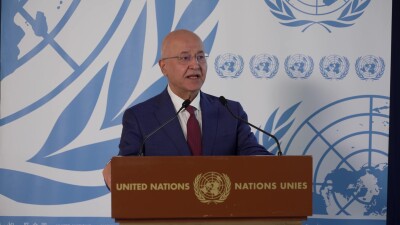
- SOUNDBITE (ENGLISH) Bruno Lemarquis, Deputy Special Representative of the Secretary-General, Resident Coordinator and Humanitarian Coordinator: “The situation is definitely not business as usual. The DRC protracted humanitarian crisis remains very acute and very complex, and according to the Norwegian Refugee Council, it is the most neglected humanitarian crisis in the world. It's mostly due to conflict, but also to epidemics, to disasters, and is compounded by many factors, including the lack of state presence in some areas and the lack of infrastructure.”
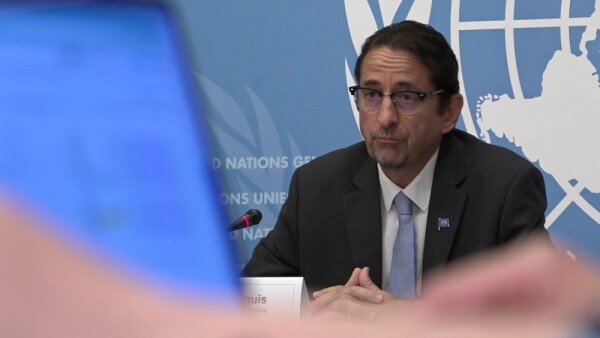
- Close-up: speaker: Bruno Lemarquis, Deputy Special Representative of the Secretary-General, Resident Coordinator and Humanitarian Coordinator
- SOUNDBITE (ENGLISH) Bruno Lemarquis, Deputy Special Representative of the Secretary-General, Resident Coordinator and Humanitarian Coordinator: “Since March 2022, the situation has really worsened, especially with the resurgence of the so-called M23 movement. The humanitarian needs, which were already very high, have increased further. They have skyrocketed with additional population displacement, in particular the resurgence of the M23 had direct consequences with over 1 million additional displaced population, mostly in North Kivu and mostly around the town of Goma.”
- Medium shot: journalist in room
- SOUNDBITE (ENGLISH) Bruno Lemarquis, Deputy Special Representative of the Secretary-General, Resident Coordinator and Humanitarian Coordinator: “Steep increases in the number of acts of sexual violence against women and girls, in particular in in these sites. GBV [Gender-Based Violence] is at a record high. More than 38,000 cases of GBV cases were signaled in North Kivu in 2022, and already for the first three months of 2023 there has been a 37% increase.”
- Close up: journalist writing
- SOUNDBITE (ENGLISH) Bruno Lemarquis, Deputy Special Representative of the Secretary-General, Resident Coordinator and Humanitarian Coordinator: “This year there is particularly virulent measles epidemics with high numbers. And also, disasters- two weeks ago there were deadly floods leading to landslide. This is one of the most catastrophic events, natural disasters in the DRC ever. So far, over 400 people have been killed in South Kivu, but 6,000 people are still missing.”
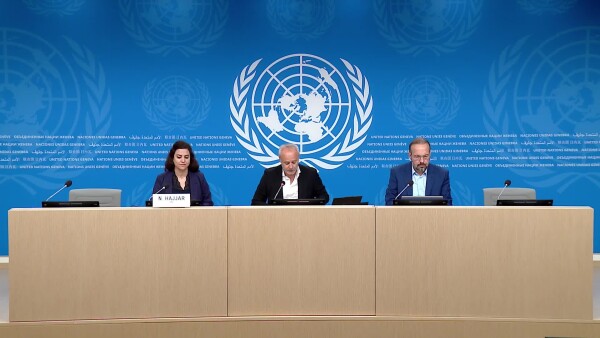
- Medium shot: panelists on podium
- Wide shot: panelists, with laptop in foreground
- Two-shot: OCHA representatives
- Close up: speaker: Modeste Mutinga Mutuishayi, Minister of Humanitarian Action and National Solidarity of the DRC
Similar Stories
1
1
1
Press Conferences | WMO , UNHCR , WHO , ILO
WMO: Greenhouse Gas Bulletin; UNHCR: As attacks intensify UNHCR urges support for war ravaged Ukrainians; WHO: Clinical trials in DRC: vaccines and beyond; ILO: New global and regional estimates on domestic work, informality and working conditions
1
1
1
Edited News | OCHA , UNICEF , WFP
Aid agencies warned on Friday of the fast-developing humanitarian emergency inside Taiz City in Yemen, which has been encircled by de facto Houthi forces fighting government troops along the country’s west coast.
1
1
1
Press Conferences | UN WOMEN , WFP , WHO
UN WOMEN: Sudan Women and girls one year after the fall of El Fasher; increasing drone attacks across the country; WFP: DRC - Ebola spreads to eighth DRC province as WFP delivers food, builds treatment centres and keeps supplies moving; WHO - Update on Ebola (Bundibugyo Virus Disease)
1
12
1
1
Press Conferences , Images | UNOG
Closing Press Conference following the Sixth Consultative Meeting on Enhancing Coordination of Peace Initiatives and Efforts in Sudan

2
17
1
2
Edited News , Press Conferences , Images | OCHA , WMO
Two UN agencies teamed up on Wednesday to issue an appeal for immediate assistance to help communities already being impacted by the strongest El Niño on record.

3
16
2
2
Edited News , B-roll , Conferences , Images | UNITED NATIONS , UNOG
Sixth Consultative Meeting on Enhancing Coordination of Peace Initiatives and Efforts for Sudan
1
1
1
Press Conferences | CITES
Wildlife trade and conservation policy discussions at the 81st meeting of the CITES Standing Committee (SC81)

1
1
1
Edited News | UNICEF , WHO , UNHCR
Yemen war continues to force families from homes amid hunger and disease
More than 250,000 people have now fled renewed fighting in Yemen, the UN said on Tuesday, citing particular concern for those sheltering in the southwestern city of Taiz and the wider governorate, where access is “essentially blocked”.
1
1
1
Press Conferences | UNHCR , UNCTAD , WMO , OCHA , UNICEF , WHO
UNHCR Hungary’s 1956 Refugee Crisis: 70 Years On, UNCTAD World Investment Forum 2026, Doha, WMO Greenhouse Gas Bulletin and Climate Update for COP31, OCHA Afghanistan: Malnutrition, Girls’ Education and Recovery, UNICEF Yemen: Child Malnutrition and Unsafe Water in Taiz, WHO Inequalities in Noncommunicable Diseases and Risk Factors
1
1
1
Press Conferences | UNHCR
End of UNHCR's 77th Annual Executive Committee (ExCom) meeting week

1
1
1
Edited News | UNICEF
A little over one year since a ceasefire agreement was announced between Hamas fighters and Israel, more than 340 children have been reported killed and hundreds more injured, the UN Children’s Fund, UNICEF, said on Friday.
1
1
1
Press Conferences | UNICEF , IOM , UNHCR
UN Special Assistant to the Personal Envoy Office (SUDAN): Peace Initiatives and Efforts in Sudan; UNICEF: Dire situation of children in Gaza; IOM: Damaged Homes and Energy Attacks Risk Displacing Ukrainians for this winter; UNHCR: update on EXCOM week