

The United Nations Office at Geneva
Multimedia Newsroom
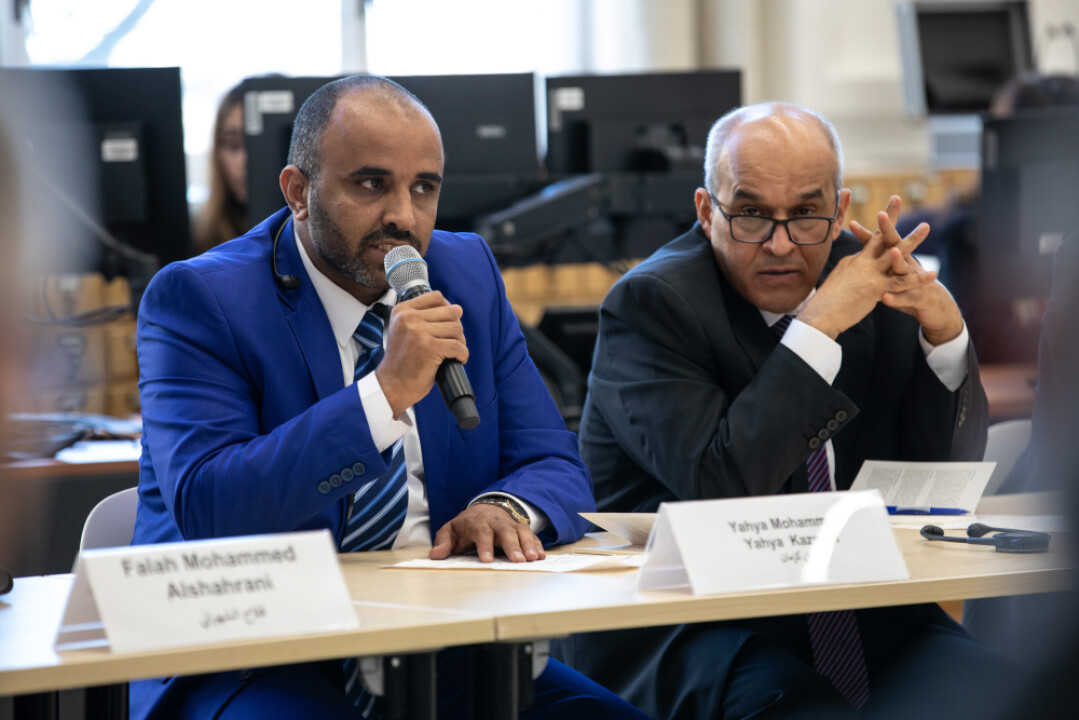
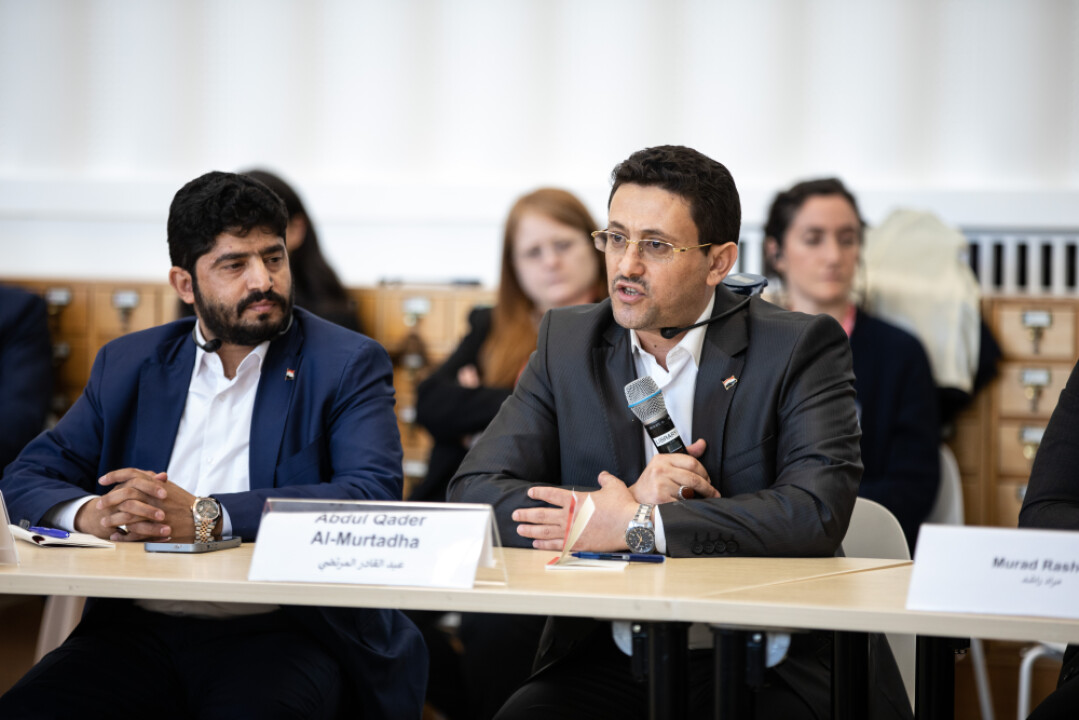
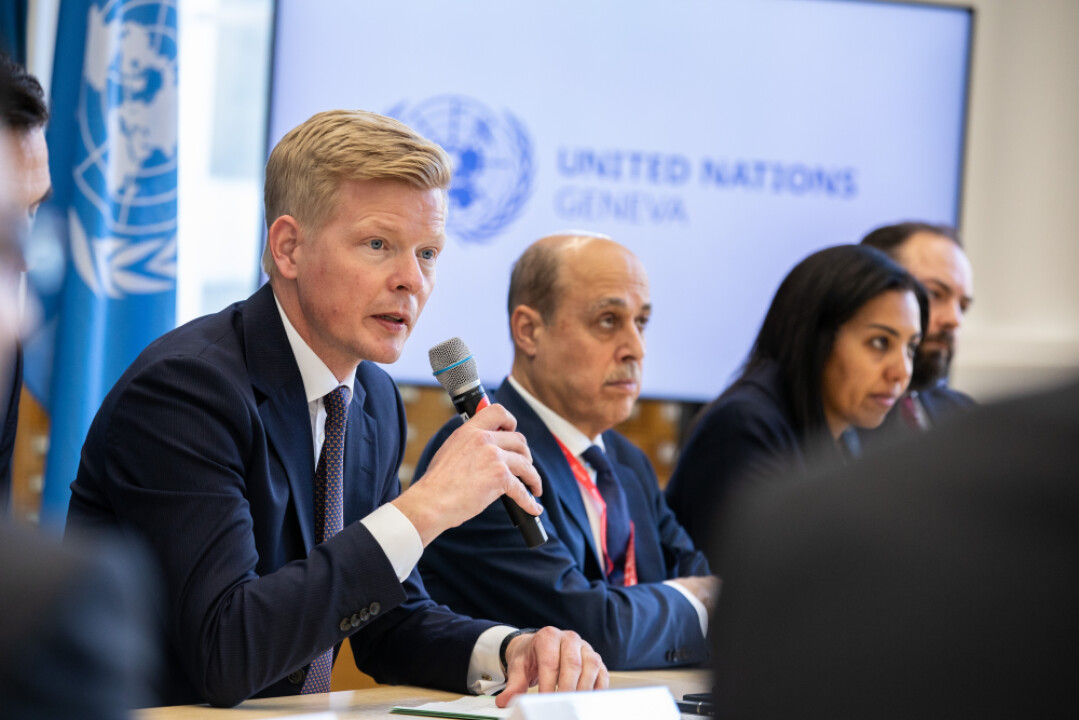
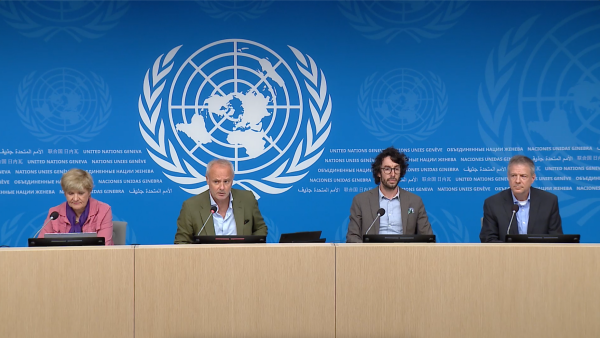
The parties to the conflict in Yemen have agreed at talks in Switzerland to swap more than 880 prisoners after they concluded a 10-day meeting facilitated by the Office of the Special Envoy of the Secretary-General for Yemen and the International Committee of the Red Cross (ICRC).
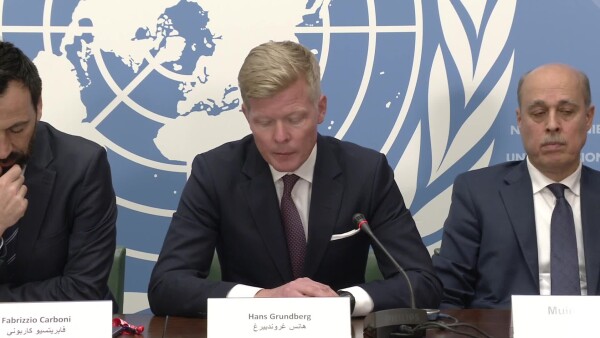
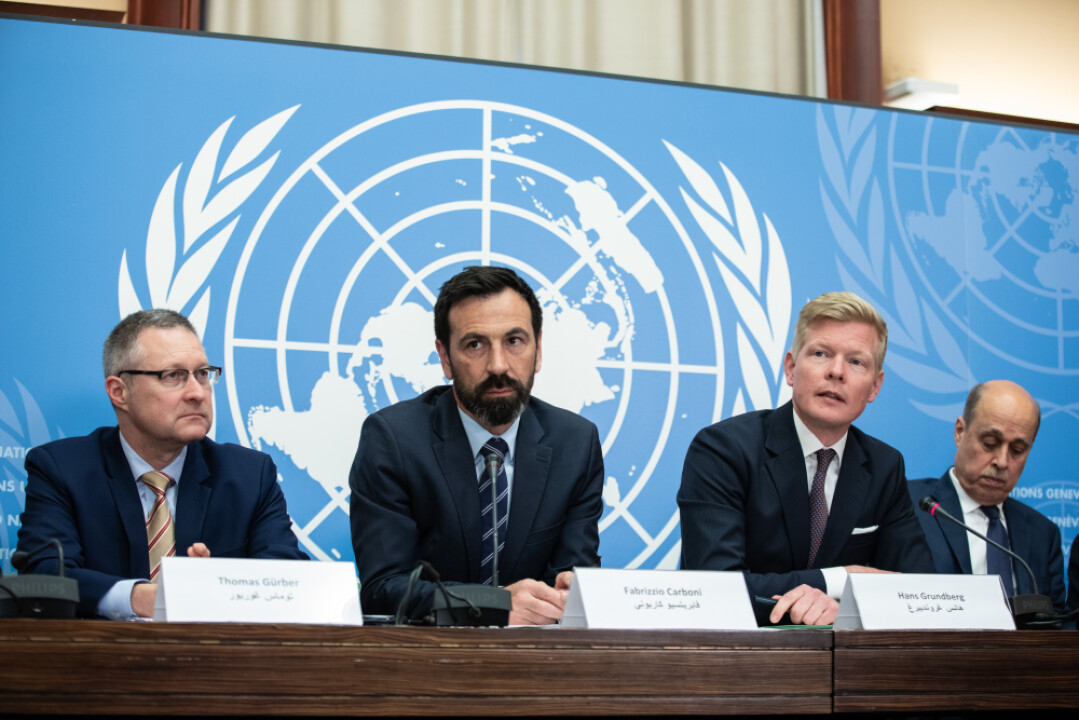
“The parties have agreed on implementation plans to release 887 conflict-related detainees from all sides”, said Hans Grundberg, UN Special Envoy for Yemen, when speaking to media today at the United Nations in Geneva. “They also agreed to reconvene in mid-May to discuss more releases. They further committed to exchange joint visits to each other's detention facilities and to enable access to all detainees during these visits.”
These latest closed-door negotiations marked the seventh meeting of the Supervisory Committee which was established under on the Stockholm Agreement, a UN mediated accord from December 2018, to support the parties in meeting their commitments to release all conflict-related detainees.
“Today, hundreds of Yemeni families can look forward to reuniting with their loved ones”, said Mr. Grundberg. “But it is important to remember that when the parties committed to the detainee’s exchange agreement, they made a promise not just to each other, but to the thousands of Yemeni families who have been living with the pain of separation from these dearest to them for far too long”, he said.
The exchange of conflict-related detainees has been under discussion as a key confidence-building measure under the Stockholm Agreement between the parties to the conflict.
The nearly decade-long conflict in Yemen began in 2014 when Houthi insurgent militias first took control of the country’s capital and largest city, Sana’a.
“I also would like to remind all of us that much remains to be done”, said Mr. Grundberg. ”A comprehensive and sustainable end to the conflict is necessary if Yemen is to recover from the devastating toll the eight-year conflict has had on its men and women. To this end, I will continue my work with the parties, regional members and the international community, to make progress towards an inclusive, Yemeni-led political process that sets the foundation for a better future for Yemen.”
In previous meetings of the Supervisory Committee, the parties have agreed to adopt a phased approach to fulfill their obligation to release all for all.
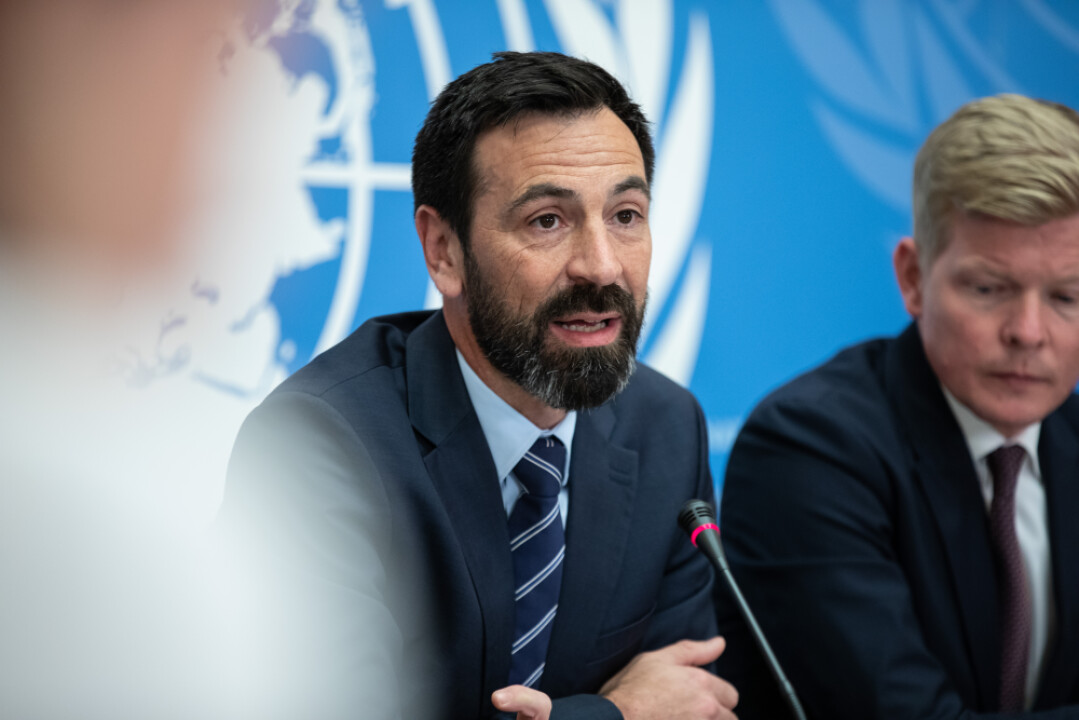
“I saw first-hand the joy of families who are reunited with their loved ones, detainees. In 2020, we had already more than a thousand detainees released, again in partnership with the UN”, reminded Fabrizio Carboni, ICRC’s Regional Director for the Near and Middle East. ”In 2022, we also accompanied 177 detainees unilaterally released. And today, again, we are ready to play our role as a neutral intermediary in transporting detainees, making sure that they are aware of what will happen to them and make sure that they are in conditions to return.”
A UN-brokered ceasefire that took effect in April 2022 brought a sharp reduction in hostilities. The truce expired in October, though fighting largely remains on hold.
“We hope that soon negotiations can resume for the release of the remaining detainees”, said Mr. Carboni. “I also have thoughts for the many families who have no news of their loved ones because they are detained, dead, or just wounded and without news.”
ICRC emphasized that the prisoner’s exchange must be carefully planned, and that the detention releases are to be completed before the beginning of Ramadan in two days.
“We need to be very prepared for the day the simultaneous release takes place and then improvise, because we all know that such a complicated and difficult exercise requires a lot of adjustments, improvisation, and luckily we have a level of trust with all the parties involved in this release”, Mr. Carboni said. “We have this unique partnership with the UN in Yemen, and I have no reason to believe that it won't be a success. And a success which needs to happen as soon as possible, because we all know Ramadan is coming and I think we can't lose a single day to have those detainees reunited with their families.”
The conflict in Yemen has created one of the world’s worst humanitarian disasters. According to the UN, more than 21 million people – two thirds of the population - are in need of humanitarian assistance, five million are at risk of famine, and a cholera outbreak which began in October 2016 has affected over one million people. An estimated 4.5 million people – or 14 per cent of the population - are currently displaced, most of whom have been displaced multiple times.
-ends-
STORY: Yemen Detainees’ Exchange Agreement – UN, ICRC
TRT: 4 min 07s
SOURCE: UNTV CH
RESTRICTIONS: NONE
LANGUAGE: ENGLISH/NATS
ASPECT RATIO: 16:9
DATELINE: 20 March 2023 GENEVA, SWITZERLAND
SHOTLIST
- Exterior wide shot: UN flag alley UN Geneva.
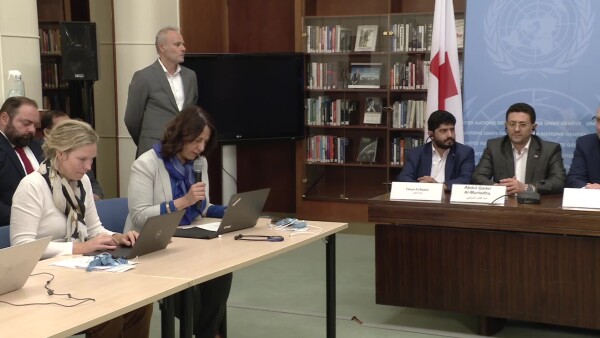
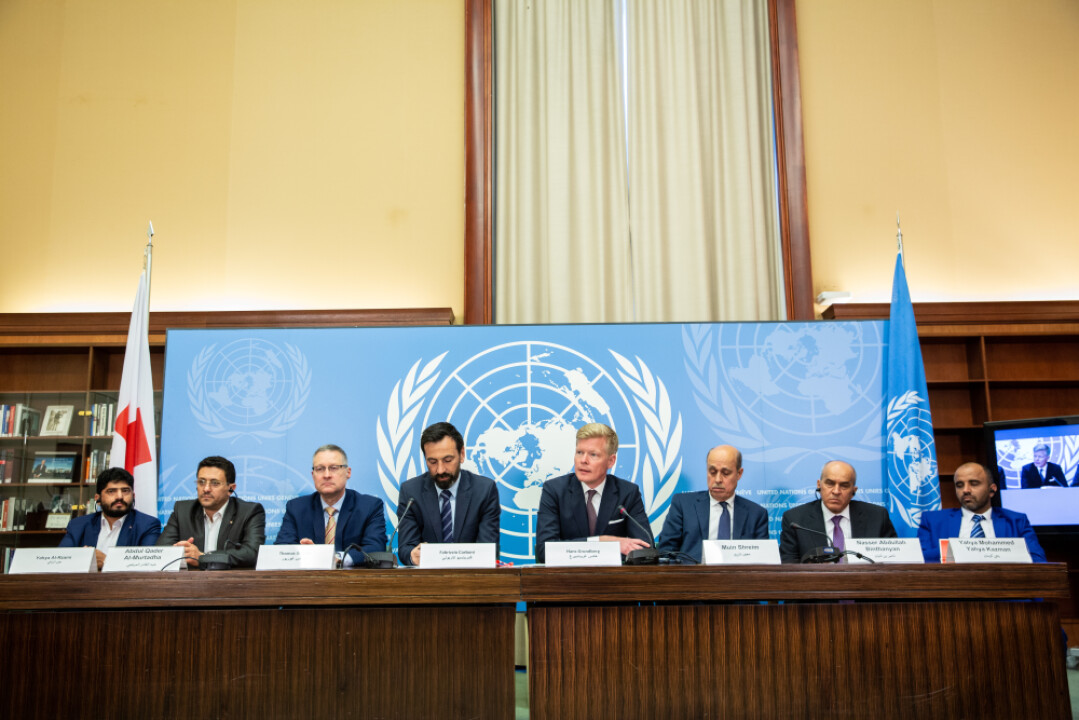
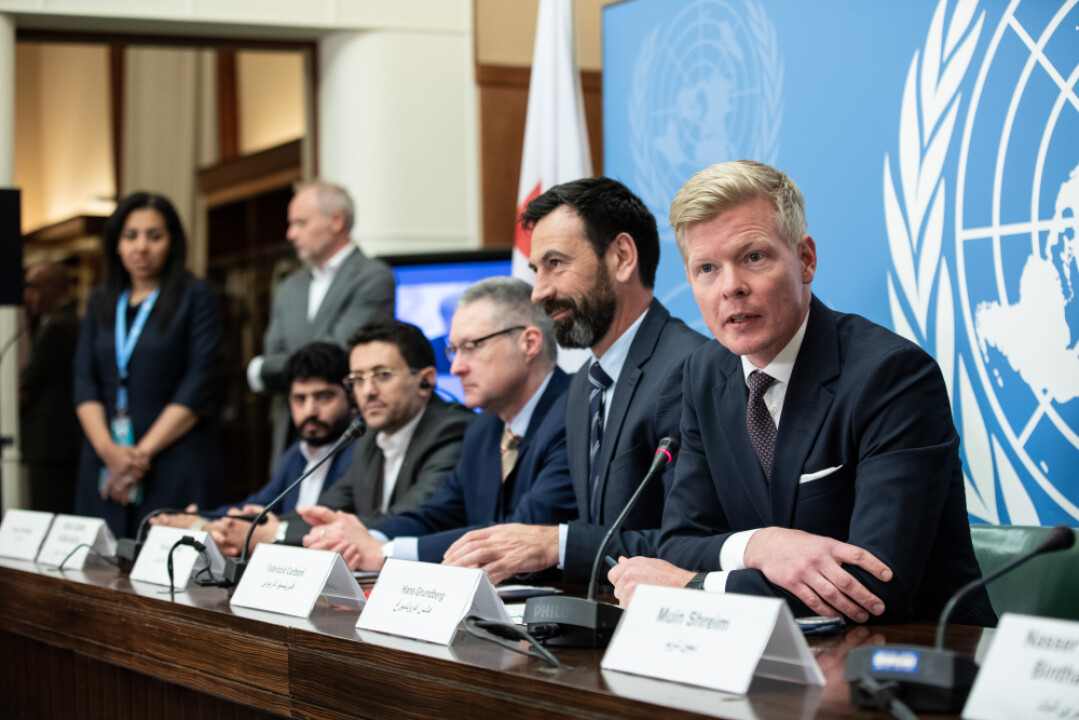
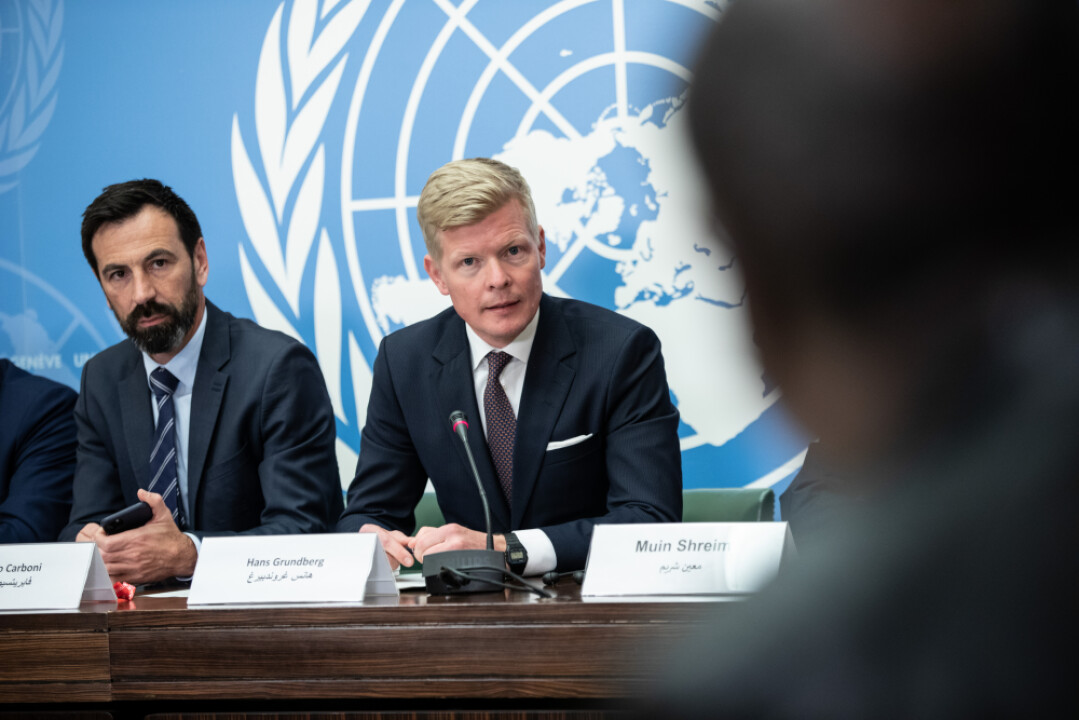
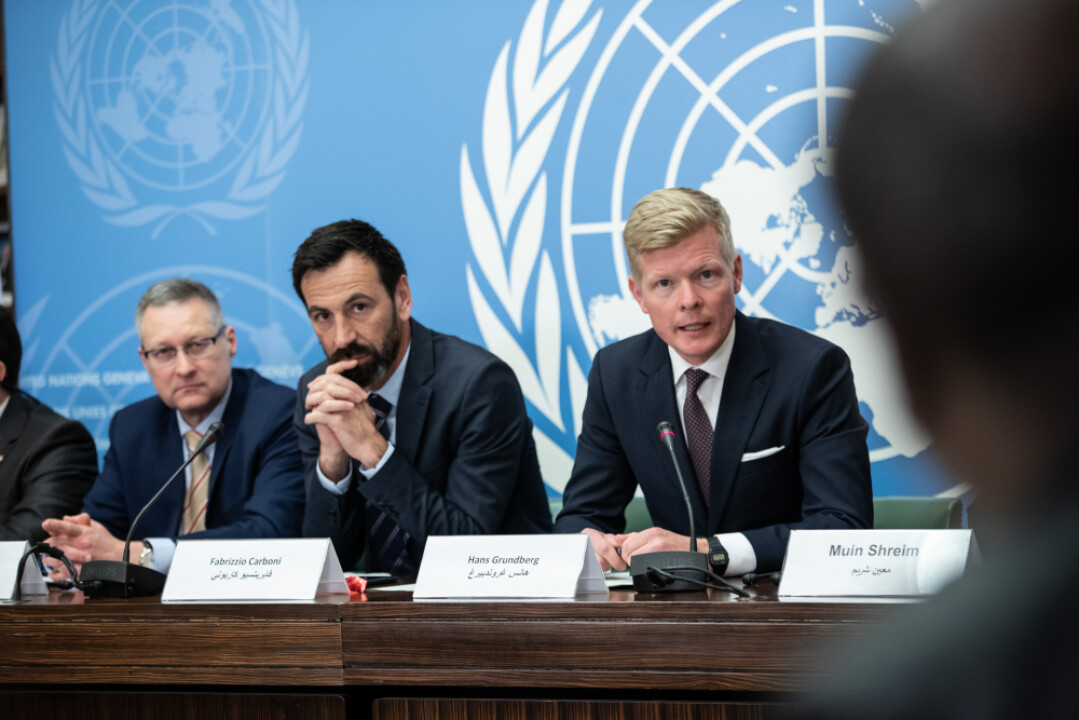
- Cutaway: medium shot, speakers behind podium
- SOUNDBITE (ENGLISH) Hans Grundberg, Special Envoy of the Secretary-General for Yemen: “The parties have agreed on implementation plans to release 887 conflict-related detainees from all sides. They also agreed to reconvene in mid-May to discuss more releases. They further committed to exchange joint visits to each other's detention facilities and to enable access to all detainees during these visits.”
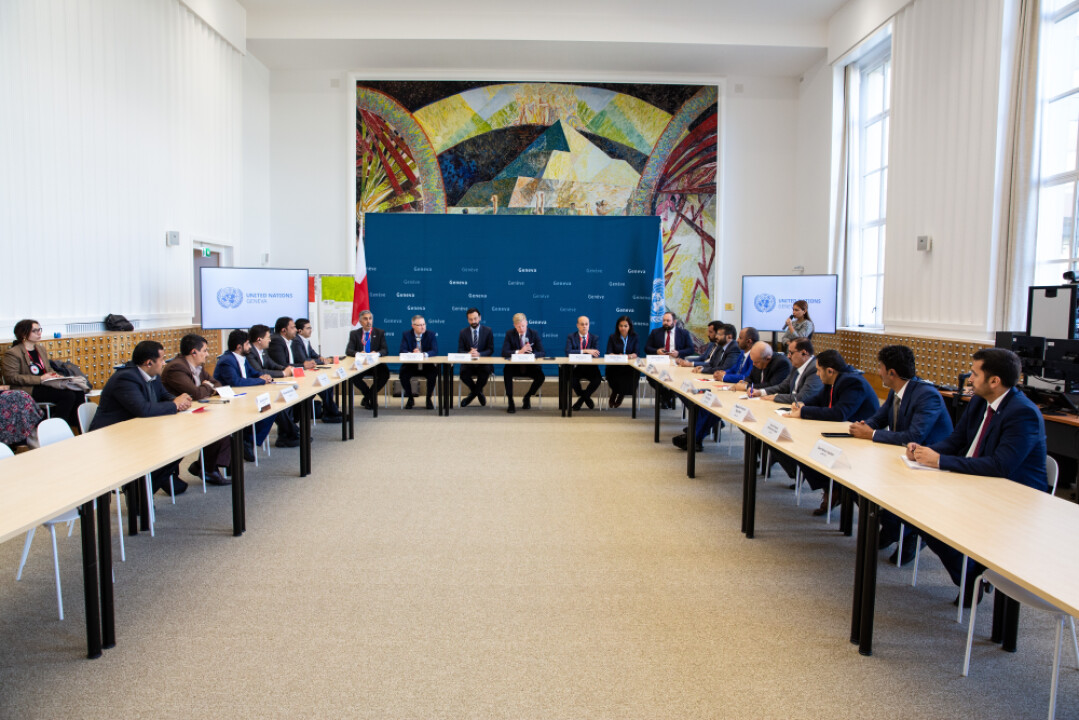
- Cutaway: medium lateral shot, speakers behind podium, journalists and photographers at the press conference, UN Geneva.
- SOUNDBITE (ENGLISH) Hans Grundberg, Special Envoy of the Secretary-General for Yemen: “Today, hundreds of Yemeni families can look forward to reuniting with their loved ones. But it is important to remember that when the parties committed to the detainee’s exchange agreement, they made a promise not just to each other, but to the thousands of Yemeni families who have been living with the pain of separation from these dearest to them for far too long.”
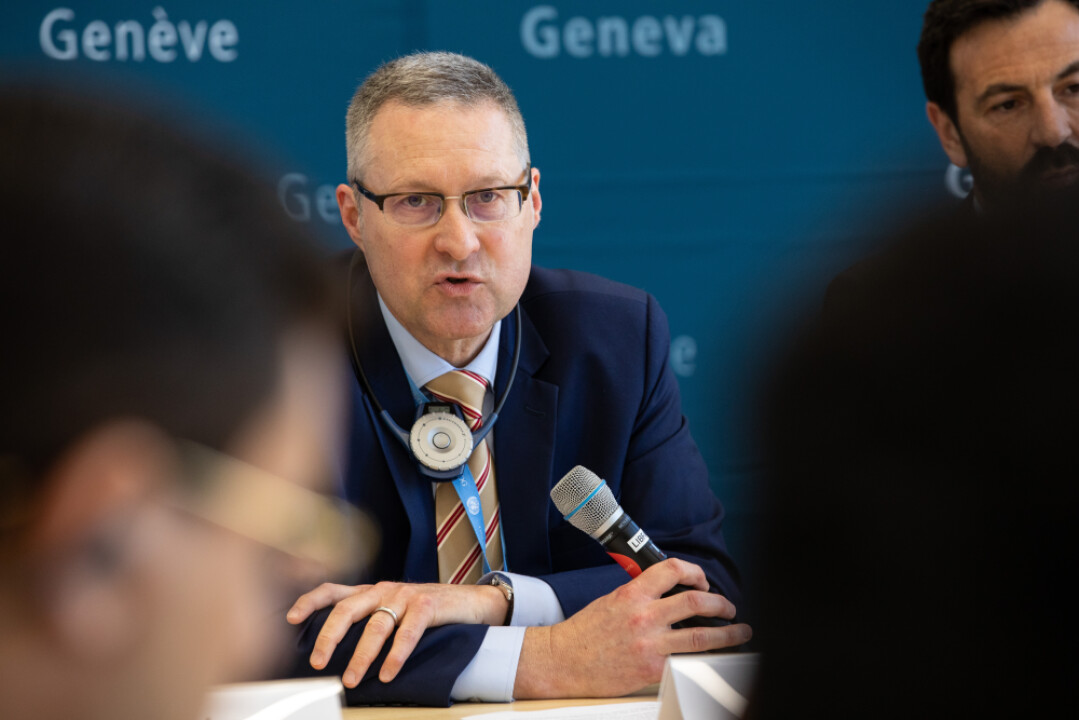
- Cutaway: close lateral shot, speakers behind podium at press conference room, UN Geneva.
- SOUNDBITE (ENGLISH) Hans Grundberg, Special Envoy of the Secretary-General for Yemen: “I also would like to remind all of us that much remains to be done. A comprehensive and sustainable end to the conflict is necessary if Yemen is to recover from the devastating toll the eight-year conflict has had on its men and women. To this end, I will continue my work with the parties, regional members and the international community, to make progress towards an inclusive, Yemeni-led political process that sets the foundation for a better future for Yemen.”
- Cutaway: medium lateral shot, speakers behind podium, journalists at the press conference, UN Geneva.
- SOUNDBITE (ENGLISH) Fabrizio Carboni, ICRC Regional Director, Near and Middle East: “I saw first-hand the joy of families who are reunited with their loved ones, detainees. In 2020, we had already more than a thousand detainees released, again in partnership with the UN. In 2022, we also accompanied 177 detainees unilaterally released. And today, again, we are ready to play our role as a neutral intermediary in transporting detainees, making sure that they are aware of what will happen to them and make sure that they are in conditions to return.”
- Cutaway: medium shot of journalists in the press room.
- SOUNDBITE (ENGLISH) Fabrizio Carboni, ICRC Regional Director, Near and Middle East: “And we hope that soon negotiations can resume for the release of the remaining detainees. I also have thoughts for the many families who have no news of their loved ones because they are detained, dead, or just wounded and without news.”
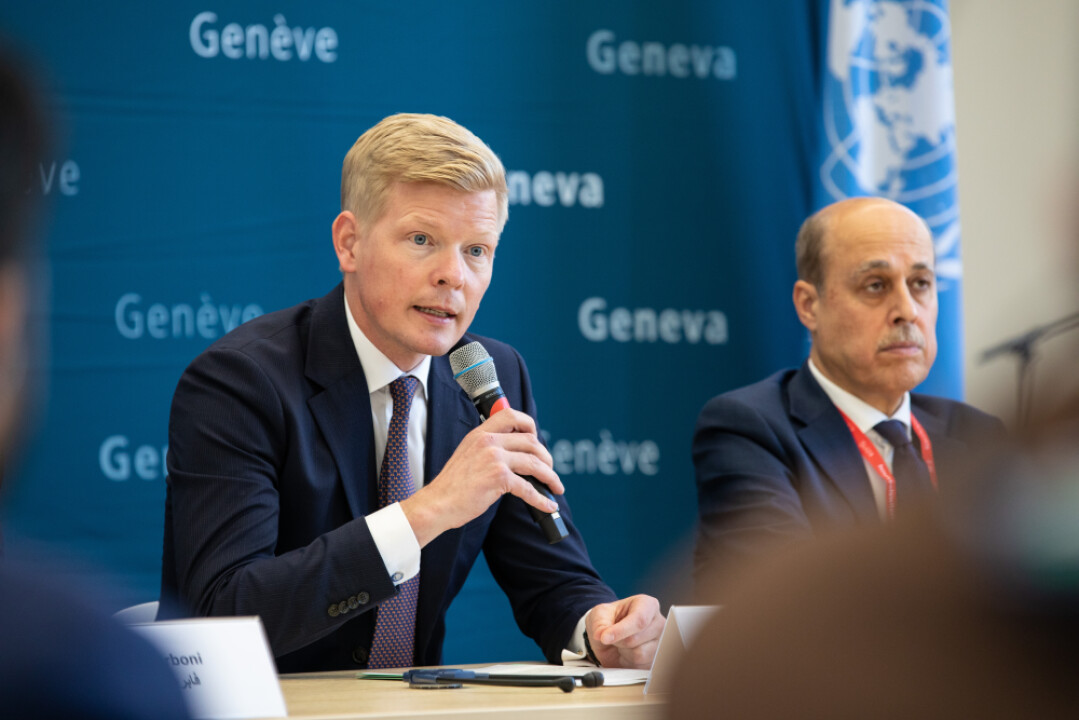
- Cutaway: medium shot with speakers at podium.
- SOUNDBITE (ENGLISH) Fabrizio Carboni, ICRC Regional Director, Near and Middle East: “We need to be very prepared for the day the simultaneous release takes place and then improvise, because we all know that such a complicated and difficult exercise requires a lot of adjustments, improvisation, and luckily we have a level of trust with all the parties involved in this release. We have this unique partnership with the UN in Yemen, and I have no reason to believe that it won't be a success. And a success which needs to happen as soon as possible, because we all know Ramadan is coming and I think we can't lose a single day to have those detainees reunited with their families.”
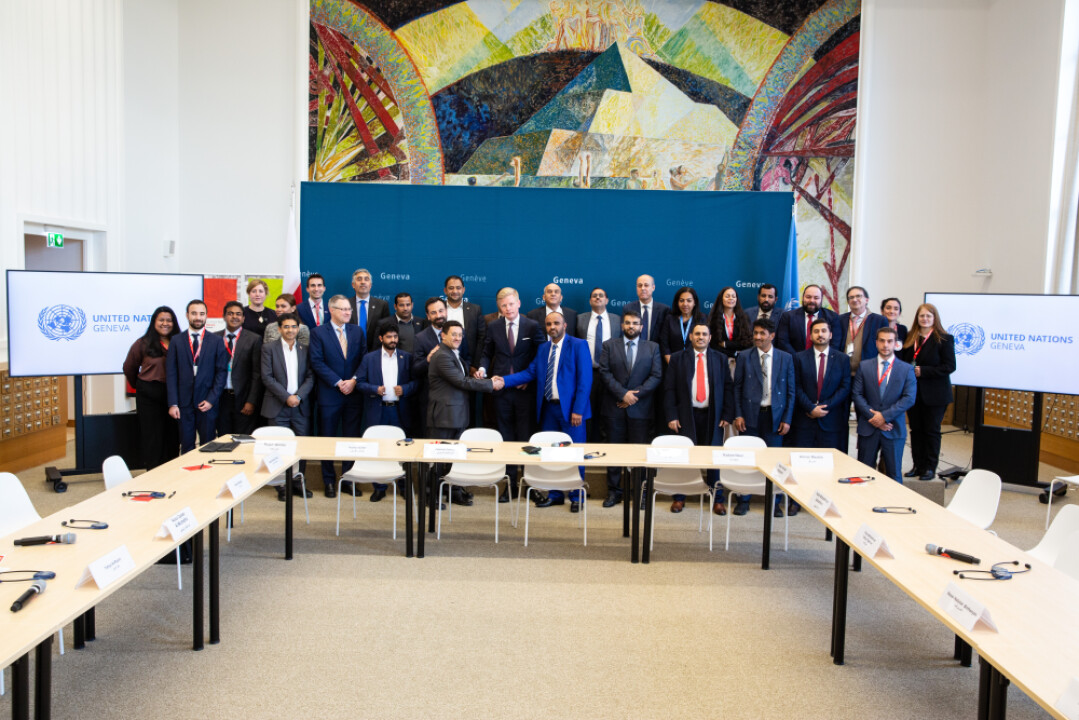
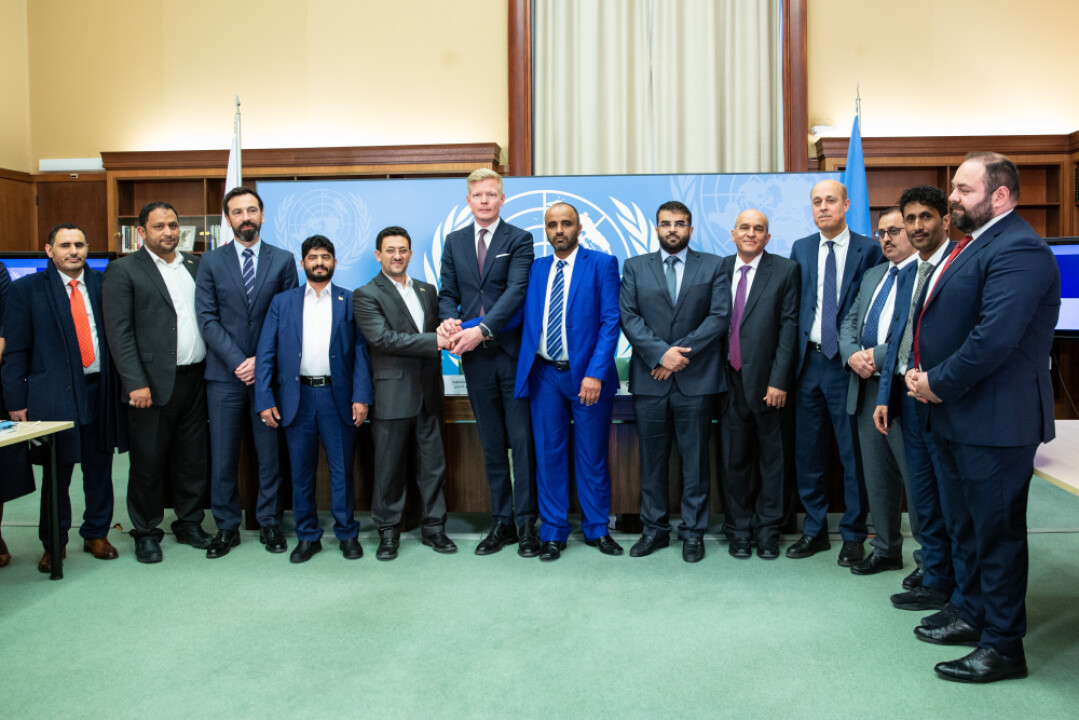
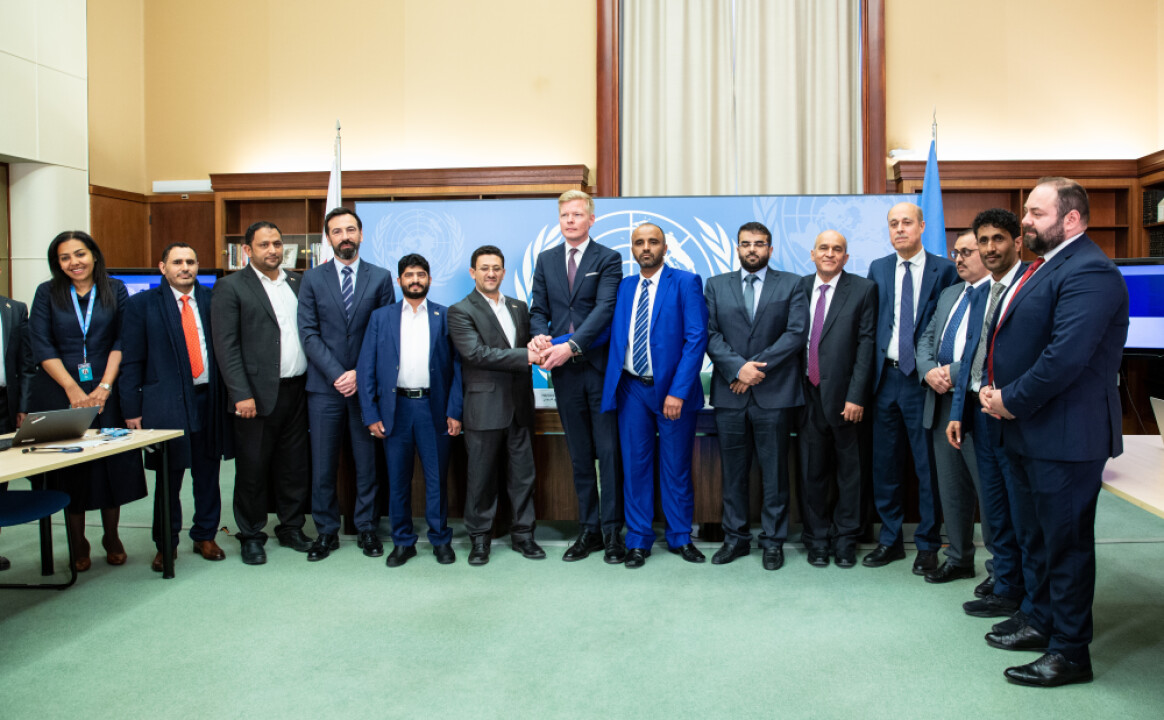
- Various cutaways of journalists and speakers in the press conference room; speakers setting up for handshake and group photo.
Similar Stories
1
1
1
Press Conferences | UNHCR
End of UNHCR's 77th Annual Executive Committee (ExCom) meeting week

1
1
1
Edited News | UNICEF
A little over one year since a ceasefire agreement was announced between Hamas fighters and Israel, more than 340 children have been reported killed and hundreds more injured, the UN Children’s Fund, UNICEF, said on Friday.
1
1
1
Press Conferences | UNICEF , IOM , UNHCR
UN Special Assistant to the Personal Envoy Office (SUDAN): Peace Initiatives and Efforts in Sudan; UNICEF: Dire situation of children in Gaza; IOM: Damaged Homes and Energy Attacks Risk Displacing Ukrainians for this winter; UNHCR: update on EXCOM week
1
1
1
Press Conferences | IOM , UNDRR
UN stresses importance of household preparedness for disaster risk reduction.

1
1
1
Edited News | UNICEF , IFRC
Six weeks after Nepal’s deadly flooding disaster, communities are still struggling to rebuild their lives, but they will need sustained help as global warming increases the risk of another Himalayan catastrophe, the UN Children’s Fund (UNICEF) said on Friday.
1
1
1
Statements , Press Conferences | OHCHR
1
1
1
Press Conferences | UNHCR , UNICEF , IFRC , OHCHR , UN WOMEN , IOM , OCHA , WHO
UNHCR – ExCom Meeting, UNICEF – Nepal Recovery, IFRC – Flash Floods, WHO – Mental Health, IOM – South Sudan Floods, OCHA – DRC Humanitarian aid, UNHCR – Sahel Displacement, UNICEF – Yemen Update, IOM – Gaza Shelter, UN Women – Gaza Women, OHCHR – Arrests and detentions of Syrians by Israeli force
2
1
2
Press Conferences | UNCTAD
Presentation of the Trade and Developement Report 2026
Embargoed until 9 October 2026 at 11 a.m. (Geneva Time)
UNCTAD: UNCTAD’s flagship report finds that governments increasingly use industrial, trade, financial and technology policies to pursue economic and national security objectives. Market access and the ability to move into higher-value activities now depend more heavily on technology, finance and geopolitics.
1
1
1
Press Conferences | UPU
Release of the State of the Postal Sector Report 2026

1
1
1
Edited News | WHO
In suspected Russia plague death, testing and monitoring underway – WHO
The death of a lab worker in Russia’s Siberia region has sparked concerns about plague being the cause, the UN World Health Organization (WHO) said on Tuesday, adding that it was following the situation closely.
1
1
1
Press Conferences | IOM , ITU , UNECE , UNICEF , WHO , WMO
UNICEF: Ebola, DRC - children orphans or separating them from parents and caregivers; IOM: Humanitarian needs in Djibouti amid arrivals from Yemen and increased migrant movements; WHO: Darfur, scale of health needs far exceeds available resources; WMO co-sponsored Global Heat Forum, Bangkok, monthly Global Seasonal Climate Update; UNECE: UN Forum of Mayors; ITU Plenipotentiary Conference 2026; WHO: child and adolescent obesity guidelines and new global roadmap to tackle pregnancy hypertension, a leading cause of maternal mortality

1
1
Edited News | OHCHR , UNOG
UN Human Rights Chief Volker Türk on Friday provided and oral update to the 63rd session of the Human rights Council on Ukraine.