

The United Nations Office at Geneva
Multimedia Newsroom
Press Conferences | OCHA , OHCHR , UNHCR , WHO , WMO
إحاطة الأمم المتحدة في جنيف - 30 يناير 2024
مؤتمر صحفي للأمم المتحدة في جنيف
30 يناير 2024
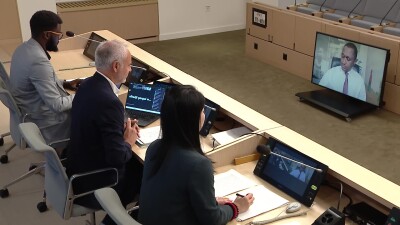
حضرت أليساندرا فيلوتشي، مديرة خدمة الأمم المتحدة للإعلام في جنيف، جلسة إعلامية هجينة، حضرها المتحدثون وممثلون عن مكتب المفوض السامي لحقوق الإنسان، ومكتب تنسيق الشؤون الإنسانية، ومنظمة الصحة العالمية، والمفوضية السامية للاجئين، ومؤتمر الأمم المتحدة للتجارة والتنمية، ومنظمة الأرصاد الجوية العالمية.
تحديث تقدم في القضاء على الدهون المتحولة المنتجة صناعياً
أوضح الدكتور فرانشيسكو برانكا، مدير قسم التغذية وسلامة الغذاء في منظمة الصحة العالمية (WHO)، أن الدهون المتحولة تنتج صناعياً عن طريق تحويل الزيوت السائلة جزئياً إلى صلبة. وكانت هذه الدهون معروفة بأنها ضارة ويمكن أن تؤدي إلى الأمراض القلبية. وكانت الأخبار الجيدة أنه قبل خمس سنوات فقط، كانت ستة بالمئة فقط من الناس في العالم محميين من خلال السياسات الوطنية بشأن الدهون المتحولة؛ اليوم، وصل عدد الأشخاص المحميين إلى 46 في المئة من سكان العالم، في 53 دولة. وبهذه الطريقة، يتم إنقاذ حوالي 183,000 حياة سنوياً. وقد حصلت خمس دول على شهادة منظمة الصحة العالمية للقضاء على الدهون المتحولة الصناعية من سلاسل توريد الطعام: الدنمارك وليتوانيا وبولندا والمملكة العربية السعودية وتايلاند. وقال الدكتور برانكا إن شركة كارجيل، واحدة من أكبر الشركات المصنعة، التزمت بالقضاء على الدهون المتحولة من عمليات إنتاجها. ومع ذلك، حذر الدكتور برانكا من أن العمل لم ينته بعد. وكان من المأمول أن يتم تغطية ما لا يقل عن 90 في المئة من سكان العالم بسياسات حول القضاء على الدهون المتحولة المنتجة صناعياً خلال السنوات الخمس المقبلة.
رداً على الأسئلة، قال الدكتور برانكا إنه سيتم نشر تقرير حول هذا الموضوع قريباً. وكان الخبر المهم هو الاعتراف بالدول الخمس التي كانت تقود الطريق، بينما كانت البيانات الجديدة المنشورة مشجعة وتظهر تقدماً مستمراً نحو القضاء على الدهون المتحولة. المزيد من المعلومات من منظمة الصحة العالمية حول الدهون المتحولة متاحة هنا.
الوضع في غزة
بخصوص الأسئلة المتعلقة بالوضع في قطاع غزة، قال الدكتور فرانشيسكو برانكا، نيابة عن منظمة الصحة العالمية (WHO)، إن التقييم الأخير أظهر أن ما يقرب من 90 في المئة من السكان في وضع شديد الحرج فيما يتعلق بسلامة الغذاء. وكانت الحالة مع الطعام والمياه مأساوية للغاية، حذر كريستيان ليندماير، أيضاً نيابة عن منظمة الصحة العالمية؛ حيث تأثرت الوصول إلى مياه الشرب النظيفة بمشاكل تحلية المياه. وحذر من أن السكان المعرضون لنقص التغذية كانوا عرضة للإصابة بالأمراض، وهو ما يأتي على رأس القصف المستمر. وذكر السيد ليندماير أن الدكتور تيدروس قد ناشد بالفعل المانحين بعدم تعليق تمويل الأونروا في هذه اللحظة الحرجة، مما سيؤذي فقط سكان غزة الذين يحتاجون بشدة إلى هذا الدعم الحيوي.
كانت ما يقرب من نصف سكان غزة سكان لاجئين كانت لديهم الأونروا المسؤولية الأساسية عنهم. قبل الحرب، كانت الأونروا تدير 22 مركزاً صحياً؛ وكانت ستة فقط تعمل حالياً. بحلول 14 يناير، كان يعيش ما يقرب من مليون شخص في ملاجئ الأونروا، ما يقرب من نصف سكان قطاع غزة بأكمله. أكد السيد ليندماير أن الأونروا تقدم خدمات حيوية. وقال إن 70 في المئة من الأشخاص الذين قتلوا بالقرب من 27,000 شخص في غزة كانوا نساء وأطفال؛ واستمر قصف المدنيين بشكل متعمد، وهو ما اعترف به حتى من بعض أقرب حلفاء إسرائيل. وكانت المناقشات حول المشاركة المزعومة لعدة موظفين في الأونروا في هجمات 7 أكتوبر مهمة، ولكن هذه المناقشات كانت أيضاً تشتتاً عن الظروف المتطرفة للمدنيين في القطاع. وقالت أليساندرا فيلوتشي، نيابة عن خدمة الأمم المتحدة للمعلومات (UNIS)، إن الأمين العام كان مصدوماً من الاتهامات ضد بعض موظفي الأونروا، لكنه أكد على ضرورة استمرار التمويل للأونروا في هذه النقطة الحرجة. وفي الإجابة على الأسئلة حول ما ستفعله المجتمع الإنساني إذا توقفت الأونروا عن العمل بسبب نقص التمويل، قالت السيدة فيلوتشي إن التوقف لم يحدث بعد، وكان الأمين العام يعمل بجد لحل هذه المسألة. جينس ليركي، نيابة عن مكتب تنسيق الشؤون الإنسانية (OCHA)، أكد أن عمل الأونروا كان حيوياً للعمليات الإنسانية في غزة.
السيد ليندماير، نيابة عن منظمة الصحة العالمية، في الإجابة على أسئلة أخرى، قال إن توسيع تقديم المساعدات كان ممكناً؛ ولم يكن هذا سؤالاً لوكالات الأمم المتحدة، ولكن للقوات الإسرائيلية بصفتها القوة الاحتلالية. لماذا قطع خط الحياة الموجود بالفعل، تساءل السيد ليندماير. وقال إن الوضع حول مستشفى النصر كان يزداد سوءاً؛ إذ كان مركز طبي مهم جداً يظل في الجنوب، وكان تحت الحصار. وكان مخططاً لثلاث مهمات إلى المستشفى النصر في اليوم السابق؛ ولكن تم السماح بمرور قافلة واحدة فقط. وكانت هذه الرفضات والتأخيرات من قبل القوات الإسرائيلية تعيق عمل المؤسسات الطبية.
كاثرين هويسود، نيابة عن المؤتمر الدولي للأمم المتحدة حول التجارة والتنمية (UNCTAD)، أعلنت أنه في 31 يناير، ستصدر UNCTAD تقييماً سريعاً لتدهور الأوضاع الاجتماعية والاقتصادية في غ
Similar Stories
1
1
1
Press Conferences | UNHCR
End of UNHCR's 77th Annual Executive Committee (ExCom) meeting week
1
1
1
Press Conferences | UNICEF , IOM , UNHCR
UN Special Assistant to the Personal Envoy Office (SUDAN): Peace Initiatives and Efforts in Sudan; UNICEF: Dire situation of children in Gaza; IOM: Damaged Homes and Energy Attacks Risk Displacing Ukrainians for this winter; UNHCR: update on EXCOM week
1
1
1
Press Conferences | IOM , UNDRR
UN stresses importance of household preparedness for disaster risk reduction.
1
1
1
Statements , Press Conferences | OHCHR
1
1
1
Press Conferences | UNHCR , UNICEF , IFRC , OHCHR , UN WOMEN , IOM , OCHA , WHO
UNHCR – ExCom Meeting, UNICEF – Nepal Recovery, IFRC – Flash Floods, WHO – Mental Health, IOM – South Sudan Floods, OCHA – DRC Humanitarian aid, UNHCR – Sahel Displacement, UNICEF – Yemen Update, IOM – Gaza Shelter, UN Women – Gaza Women, OHCHR – Arrests and detentions of Syrians by Israeli force
2
1
2
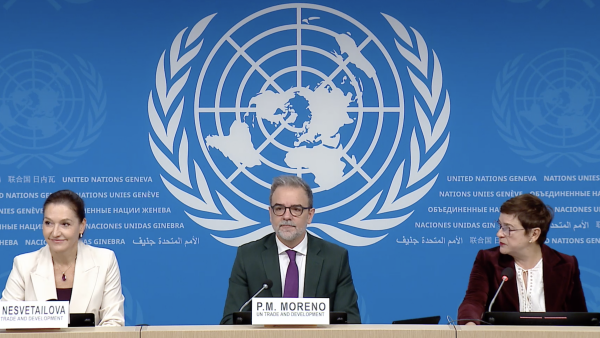
Press Conferences | UNCTAD
Presentation of the Trade and Developement Report 2026
Embargoed until 9 October 2026 at 11 a.m. (Geneva Time)
UNCTAD: UNCTAD’s flagship report finds that governments increasingly use industrial, trade, financial and technology policies to pursue economic and national security objectives. Market access and the ability to move into higher-value activities now depend more heavily on technology, finance and geopolitics.
1
1
1
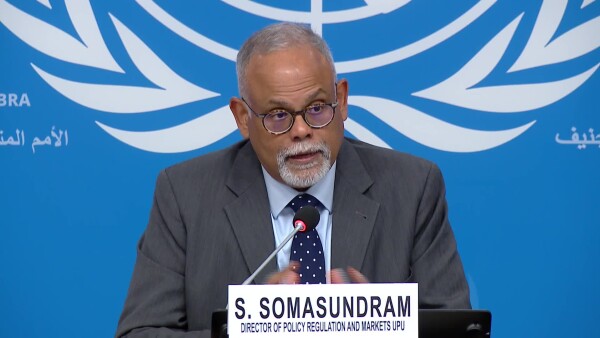
Press Conferences | UPU
Release of the State of the Postal Sector Report 2026
1
1
1
Press Conferences | IOM , ITU , UNECE , UNICEF , WHO , WMO
UNICEF: Ebola, DRC - children orphans or separating them from parents and caregivers; IOM: Humanitarian needs in Djibouti amid arrivals from Yemen and increased migrant movements; WHO: Darfur, scale of health needs far exceeds available resources; WMO co-sponsored Global Heat Forum, Bangkok, monthly Global Seasonal Climate Update; UNECE: UN Forum of Mayors; ITU Plenipotentiary Conference 2026; WHO: child and adolescent obesity guidelines and new global roadmap to tackle pregnancy hypertension, a leading cause of maternal mortality
1
1
1
Press Conferences | OCHA , UN WOMEN , UNHCR , WFP , WHO , WTO , UNEP
OCHA – $160M CERF allocation to 12 underfunded crises; UNHCR – 5.8M refugee children remain out of school amid funding cuts; UN Women – Middle East escalation and food security among women/girls; WHO – Gaza supplies and overall situation; WFP – Yemen food insecurity and impact on global hunger ; UNEP - First International Conference of the Global Framework on Chemicals in Geneva | 16-20 November 2026
1
1
1
Press Conferences | UNHCR , WHO
Yemen's health system nears collapse amid conflict, causing rising casualties and medicine shortages.
1
1
1
Press Conferences | HRC
Update by the Expert Mechanism to Advance Racial Justice and Equality in Law Enforcement
1
1
1
Press Conferences | WIPO , WHO , UNICEF , UNHCR , IOM , WFP , FAO
WIPO Global Innovation Index 2026 launch and press conference, WHO Composition of influenza vaccines for the 2027 Southern Hemisphere flu season, UNICEF Yemen hunger and malnutrition; UNHCR Sudan displacement into Chad; IOM Ebola and population movements in DRC; WFP emergency food assistance in Nepal; and FAO food loss and waste.