

The United Nations Office at Geneva
Multimedia Newsroom
Edited News | UNICEF , OHCHR , UN WOMEN
Situation humanitaire à Gaza : UNICEF - HCDH - ONU FEMMES
HISTOIRE
Gaza : Plus d'un million de femmes et de filles palestiniennes à Gaza n'ont presque aucun accès à la nourriture ou à l'eau potable, avec des maladies qui se développent au milieu de conditions de vie « inhumaines ».
Six mois après le début de la guerre à Gaza, ONU Femmes a lancé mardi son dernier Alerte de Genre sur Gaza déclarant que 10 000 femmes palestiniennes à Gaza ont été tuées, parmi elles environ 6 000 mères, laissant 19 000 enfants orphelins.
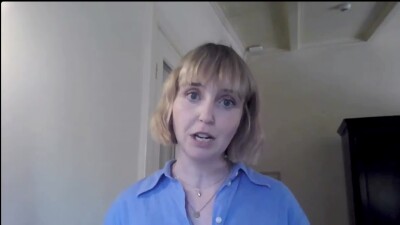
« À ce jour, l'ONU estime que plus de 8 000 femmes pourraient être devenues veuves à cause de la récente guerre à Gaza, ce qui signifie que 8 000 maris ont été tués », a déclaré Susanne Mikhail Eldhagen, Directrice régionale pour les États arabes pour ONU Femmes.
Lors d'un briefing avec des journalistes à l'ONU à Genève depuis Le Caire, elle a expliqué que ces femmes étaient « dans une situation particulièrement vulnérable car, comme nous pouvons l'imaginer, elles sont seules responsables de la protection, du bien-être, mais aussi de l'assurance de la nourriture et de l'eau pour toute leur famille ».
Les femmes qui ont survécu aux bombardements israéliens et aux opérations terrestres ont été déplacées, sont devenues veuves et font maintenant face à la famine. L'impact disproportionné du conflit en a fait une guerre contre les femmes, a maintenu ONU Femmes.
« Les femmes trouvent souvent beaucoup plus difficile d'accéder aux services. Dans ce cas, accéder à la nourriture et à l'eau que les hommes. Dans la récente enquête menée à Gaza, il montre que 87 % des femmes trouvent plus difficile d'accéder à la nourriture que les hommes à Gaza », a déclaré Mme Eldhagen.
La publication lancée mardi (16 avril) intitulée «Pénurie et Peur» se concentre sur le manque d'accès aux services d'eau, d'assainissement et d'hygiène (WASH), qui sont essentiels à la santé, à la dignité, à la sécurité et à la vie privée des femmes.
Selon les conclusions du rapport, plus d'un million de femmes et de filles palestiniennes à Gaza sont confrontées à une faim catastrophique, avec presque aucun accès à la nourriture, à l'eau potable, à des toilettes fonctionnelles ou à l'eau courante, créant des risques mortels. L'accès à l'eau potable est particulièrement crucial pour les mères allaitantes et les femmes enceintes, qui ont des besoins quotidiens en eau et en calories plus élevés.
Le Fonds des Nations Unies pour l'enfance (UNICEF) a déploré la perte élevée de vies et les blessures que les enfants palestiniens à Gaza ont subies au milieu des bombardements israéliens intensifs en cours.
Suite à sa récente mission dans le nord de Gaza où son véhicule de l'ONU a été pris pour cible, la spécialiste de la communication de l'UNICEF Tess Ingram a déclaré depuis Le Caire que au cours des six derniers mois, « un nombre stupéfiant d'enfants ont été blessés au milieu des attaques intenses et souvent indiscriminées, leurs vies à jamais changées par les horreurs de la guerre.
Elle a noté qu'il n'était pas possible d'estimer avec précision le nombre total d'enfants blessés dans le conflit à ce jour « mais les données les plus récentes du ministère palestinien de la Santé documentent plus de 12 000 enfants, soit environ 70 enfants par jour blessés à Gaza depuis le début du conflit actuel. »
Elle a ajouté que «la guerre à Gaza a un impact disproportionné sur les enfants. Une personne sur deux à Gaza est un enfant, donc les enfants portent une part énorme des cicatrices de cette guerre.»
L'officier de l'UNICEF a souligné les défis continus pour évacuer les patients gravement blessés ou malades de Gaza pour un traitement médical ailleurs. Avec moins de la moitié de toutes les demandes de "medivac" approuvées, seulement environ 4 500 personnes, principalement des enfants, ont pu quitter Gaza. Cela équivaut à moins de 20 personnes par jour ayant accès aux soins dont elles ont urgemment besoin en dehors de la région.
« Les enfants malades et blessés qui sont évacués doivent être accompagnés par leurs membres de famille. Avec au moins 70 enfants blessés chaque jour, nous avons besoin que le nombre d'évacuations médicales augmente pour que les enfants puissent accéder aux soins dont ils ont urgemment besoin. Et avec un enfant tué ou blessé toutes les 10 minutes, avant tout, nous avons besoin d'un cessez-le-feu », a déclaré Mme Ingram.
Soulignant la situation désespérée à Gaza, Ravina Shamdasani, porte-parole du bureau des droits de l'homme de l'ONU, OHCHR, a exhorté « tous les États ayant de l'influence à faire tout ce qui est en leur pouvoir pour mettre fin à la crise humanitaire et des droits de l'homme de plus en plus horrifique à Gaza. La violence croissante et les attaques ciblées en Cisjordanie et le risque accru d'escalade plus large du conflit au Moyen-Orient. »
Selon OHCHR, n
HISTOIRE : Situation humanitaire à Gaza : UNICEF - OHCHR - ONU FEMMES
TRT : 2:51”
SOURCE : UNTV CH
RESTRICTIONS : AUCUNE
LANGUE : ANGLAIS / NATS
RAPPORT D'ASPECT : 16:9
DATE LIMITE : 16 avril 2024 GENÈVE, SUISSE
- Plan moyen extérieur : allée du drapeau de l'ONU
- Plan large : orateurs au pupitre lors de la conférence de presse
- SOUNDBITE (anglais) – Tess Ingram, spécialiste de la communication, UNICEF (s'exprimant depuis Le Caire) : « Au cours des six derniers mois, un nombre stupéfiant d'enfants ont été blessés lors des attaques intenses et souvent indiscriminées. Leur vie a été à jamais changée par les horreurs de la guerre. Le nombre total d'enfants blessés dans ce conflit est assez difficile à rassembler, mais les données les plus récentes du ministère de la Santé palestinien documentent plus de 12 000 enfants, soit environ 70 enfants par jour blessés à Gaza depuis le début du conflit actuel.»
- Plan moyen : orateurs au pupitre de dos avec écran devant eux
- SOUNDBITE (anglais) – Tess Ingram, spécialiste de la communication, UNICEF (s'exprimant depuis Le Caire) : « Cela impacte de manière disproportionnée les enfants. Chaque seconde personne à Gaza est un enfant, donc les enfants portent une part énorme des cicatrices de cette guerre.»
- Plan moyen : journalistes dans la salle de presse
- SOUNDBITE (anglais) – Tess Ingram, spécialiste de la communication, UNICEF (s'exprimant depuis Le Caire) : « Les enfants malades et blessés évacués doivent être accompagnés de membres de leur famille. Avec au moins 70 enfants blessés chaque jour, nous devons augmenter le nombre d'évacuations médicales pour que les enfants puissent accéder aux soins dont ils ont urgemment besoin. Et avec un enfant tué ou blessé toutes les dix minutes, plus que tout, nous avons besoin d'un cessez-le-feu.»
- Plan large : journalistes dans la salle de presse et orateurs au pupitre
- SOUNDBITE (anglais) - Ravina Shamdasani, porte-parole, OHCHR : « Le Bureau des droits de l'homme de l'ONU exhorte tous les États ayant de l'influence à faire tout ce qui est en leur pouvoir pour mettre fin à la crise humanitaire et aux violations des droits de l'homme de plus en plus horribles à Gaza. La violence croissante et les attaques ciblées en Cisjordanie, ainsi que le risque accru d'une escalade plus large du conflit au Moyen-Orient.»
- Plan moyen : orateur au pupitre de côté avec des journalistes dans la salle
- SOUNDBITE (anglais) - Susanne Mikhail Eldhagen, directrice régionale pour les États arabes, ONU Femmes (s'exprimant depuis Le Caire) : « Jusqu'à présent, l'ONU estime que plus de 8 000 femmes pourraient être devenues veuves à cause de la récente guerre à Gaza. Cela signifie que 8 000 maris ont été tués. Ces femmes se trouvent dans une situation particulièrement vulnérable car, comme on peut l'imaginer, elles sont seules responsables de la protection, du bien-être, mais aussi de l'assurance de nourriture et d'eau pour l'ensemble de leur famille.»
- Plan moyen, modérateur au pupitre avec orateur à l'écran
- SOUNDBITE (anglais) - Susanne Mikhail Eldhagen, directrice régionale pour les États arabes, ONU Femmes (s'exprimant depuis Le Caire) : « Les femmes ont souvent beaucoup plus de difficultés à accéder aux services. Dans ce cas, accéder à la nourriture et à l'eau que les hommes. Dans l'enquête récente menée à Gaza, il apparaît que 87 % des femmes ont plus de difficultés à accéder à la nourriture que les hommes à Gaza.»
- Plan moyen, journalistes lors de la conférence de presse
- Gros plan : journaliste écoutant
- Plan large : Équipe technique travaillant derrière les fenêtres
Similar Stories
1
1
1
Edited News | OCHA , UNICEF , WFP
Aid agencies warned on Friday of the fast-developing humanitarian emergency inside Taiz City in Yemen, which has been encircled by de facto Houthi forces fighting government troops along the country’s west coast.

2
17
1
2
Edited News , Press Conferences , Images | OCHA , WMO
Two UN agencies teamed up on Wednesday to issue an appeal for immediate assistance to help communities already being impacted by the strongest El Niño on record.
3
16
2
2
Edited News , B-roll , Conferences , Images | UNITED NATIONS , UNOG
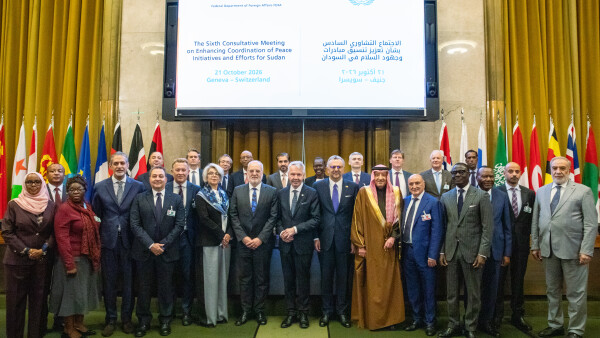
Sixth Consultative Meeting on Enhancing Coordination of Peace Initiatives and Efforts for Sudan

1
1
1
Edited News | UNICEF , WHO , UNHCR
Yemen war continues to force families from homes amid hunger and disease
More than 250,000 people have now fled renewed fighting in Yemen, the UN said on Tuesday, citing particular concern for those sheltering in the southwestern city of Taiz and the wider governorate, where access is “essentially blocked”.

1
1
1
Edited News | UNICEF
A little over one year since a ceasefire agreement was announced between Hamas fighters and Israel, more than 340 children have been reported killed and hundreds more injured, the UN Children’s Fund, UNICEF, said on Friday.

1
1
1
Edited News | UNICEF , IFRC
Six weeks after Nepal’s deadly flooding disaster, communities are still struggling to rebuild their lives, but they will need sustained help as global warming increases the risk of another Himalayan catastrophe, the UN Children’s Fund (UNICEF) said on Friday.

1
1
1
Edited News | WHO
In suspected Russia plague death, testing and monitoring underway – WHO
The death of a lab worker in Russia’s Siberia region has sparked concerns about plague being the cause, the UN World Health Organization (WHO) said on Tuesday, adding that it was following the situation closely.

1
1
Edited News | OHCHR , UNOG
UN Human Rights Chief Volker Türk on Friday provided and oral update to the 63rd session of the Human rights Council on Ukraine.

1
1
1
Edited News | OHCHR , UNOG
UN Human Rights Chief Volker Türk on Friday provided and oral update to the 63rd session of the Human rights Council on the human rights situation in Haiti.

1
1
1
Edited News | WHO
Repeated delays in bringing lifesaving medicines, prosthetics and more from Israel into Gaza risk having devastating consequences on Palestinians who urgently need them in the wartorn enclave, the UN World Health Organization (WHO) said on Friday. “A truck full of non-priority supplies or the right supplies arriving too late, doesn't save lives. That's the question that actually matters," said Dr Reinhilde Van De Weerdt, WHO Representative in the OPT.

1
1
1
Edited News | WHO
DRC: Early access to care and oxygen decisive for Ebola patients’ survival – WHO
In the Democratic Republic of the Congo (DRC), health workers fighting the country’s largest-ever Ebola outbreak are struggling to overcome critical challenges to patient care, the UN World Health Organization (WHO) warned on Tuesday.

1
1
1
Edited News | OCHA , UN
Civilians in Iran are continuing to feel the consequences of months of conflict and military escalation, the UN’s top official in the country has said, as loss of life, damage to civilian infrastructure and mounting economic pressures leave many facing continued uncertainty.