

The United Nations Office at Geneva
Multimedia Newsroom
Edited News , Press Conferences , Images | UNEP
Conférence de presse du PNUE : Pollution plastique (INC-5.2) - 05 août 2025
Conférence de presse d'ouverture, Deuxième partie de la cinquième session du Comité intergouvernemental de négociation sur la pollution plastique (INC-5.2)
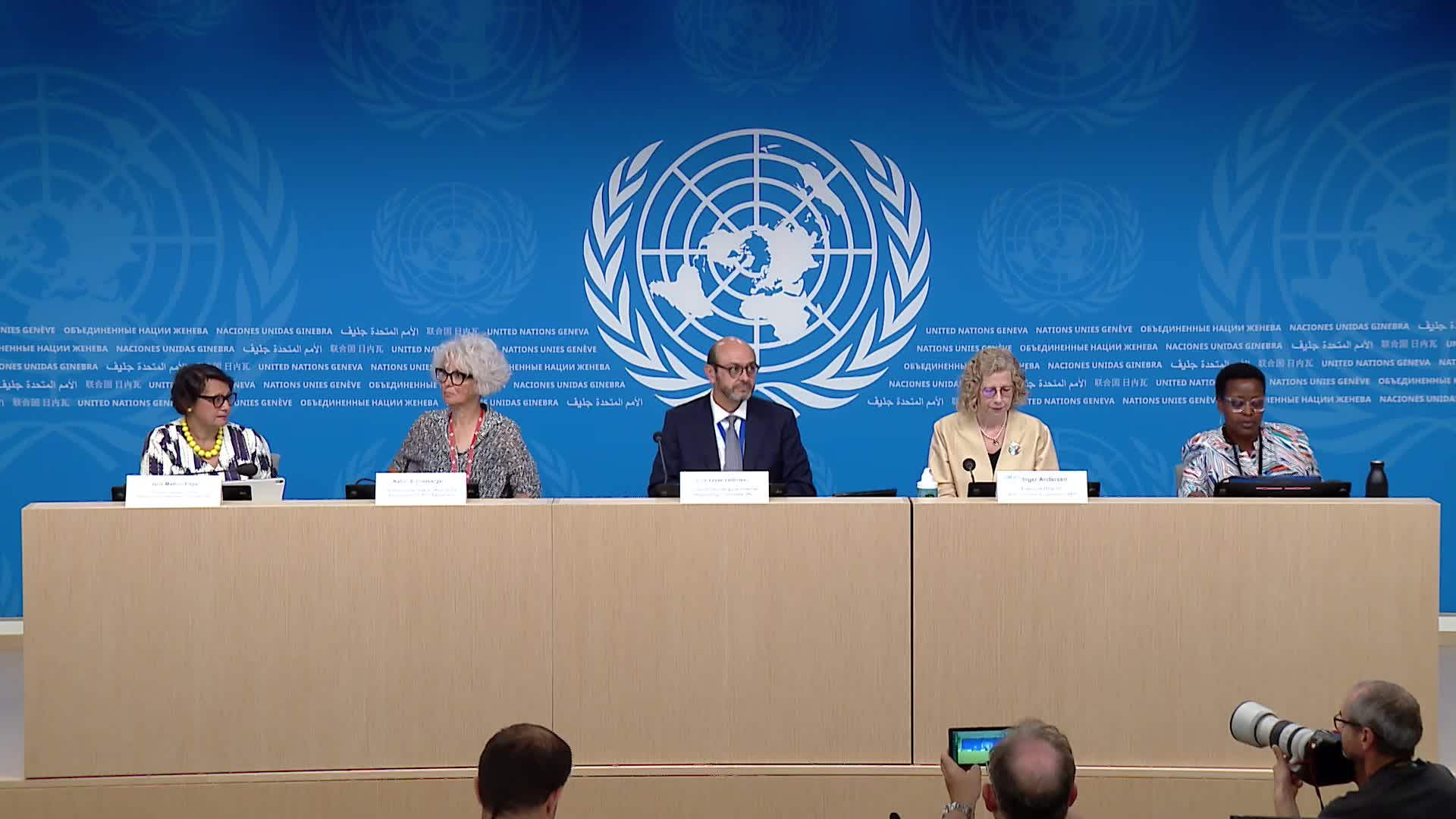
Orateurs :
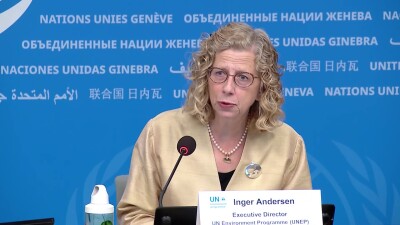
- Inger Andersen, Directrice exécutive, Programme des Nations Unies pour l'environnement (PNUE)
- Luis Vayas Valdivieso, Président du Comité intergouvernemental de négociation (INC)
- Katrin Schneeberger, Directrice de l'Office fédéral de l'environnement (OFEV), Suisse
- Jyoti Mathur-Filipp, Secrétaire exécutive du Comité intergouvernemental de négociation (INC)
HISTOIRE : Famine généralisée à Gaza – IPC, ONU Femmes
TRT : 3’10”
SOURCE : UNTV CH
RESTRICTIONS : AUCUNE
LANGUE : ANGLAIS/ NATS
RAPPORT D'ASPECT : 16:9
DATELINE : 05 AOÛT 2025 GENÈVE, SUISSE
Orateurs :
- Inger Andersen, Directrice exécutive, Programme des Nations Unies pour l'environnement (PNUE)
- Katrin Schneeberger, Directrice de l'Office fédéral de l'environnement (OFEV), Suisse
LISTE DES PLANS
- Plan large extérieur : Palais des Nations, allée des drapeaux.
- Plan large, podium de la salle de presse et journalistes, écrans de télévision.
- EXTRAIT SONORE (Anglais) – Inger Andersen, Directrice exécutive, Programme des Nations Unies pour l'environnement (PNUE) : “Nous ne pouvons pas oublier que le monde veut et a besoin d'un traité conventionnel sur le plastique parce que la crise devient incontrôlable et les gens sont franchement indignés ; les gens qui vivent avec cette pollution. Nous savons que le plastique est dans notre nature, dans nos océans, et oui, même dans nos corps.”
- Plan large, orateurs au podium.
- EXTRAIT SONORE (Anglais) – Katrin Schneeberger, Directrice de l'Office fédéral de l'environnement (OFEV), Suisse : “Aujourd'hui, nous sommes à un carrefour critique. Les déchets plastiques étouffent nos lacs, nuisent à la faune et menacent la santé humaine. Ce n'est pas seulement un problème environnemental, c'est un défi mondial qui exige une action urgente et collective.”
- Plan large, journalistes, participants, écrans de télévision montrant l'orateur.
- EXTRAIT SONORE (Anglais) – Katrin Schneeberger, Directrice de l'Office fédéral de l'environnement (OFEV), Suisse : “Contrairement à certains rapports médiatiques, il ne s'agit pas d'un appel à un plafonnement de la production. Clarifier cela lors de réunions informelles était un message important pour les pays producteurs. Parvenir à une compréhension commune que des mesures sont nécessaires tant du côté de la production que de la consommation peut aider à débloquer les négociations.”
- Plan large, journalistes, participants, écrans de télévision montrant l'orateur
- EXTRAIT SONORE (Anglais) – Inger Andersen, Directrice exécutive, Programme des Nations Unies pour l'environnement (PNUE) : “Ce qui est sûr, c'est que personne ne veut vivre avec la pollution plastique. Personne ne la veut dans les sols, dans l'eau potable, encore moins dans nos océans et dans nos corps.”
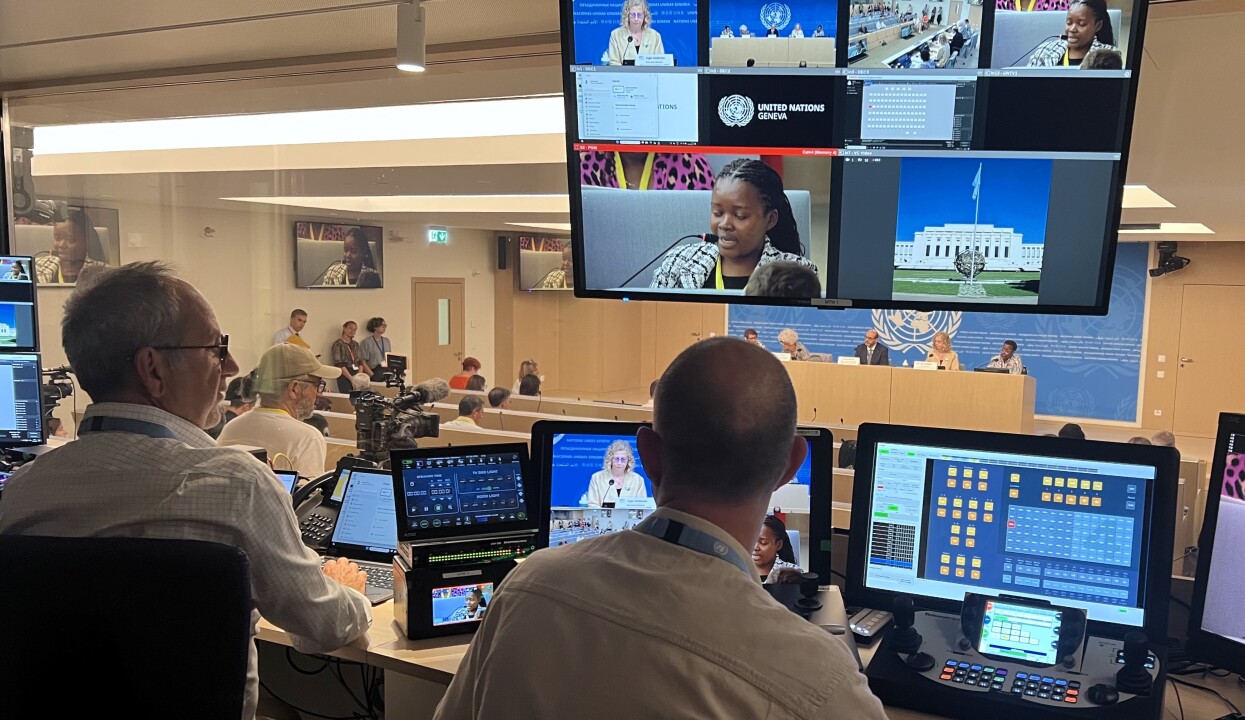
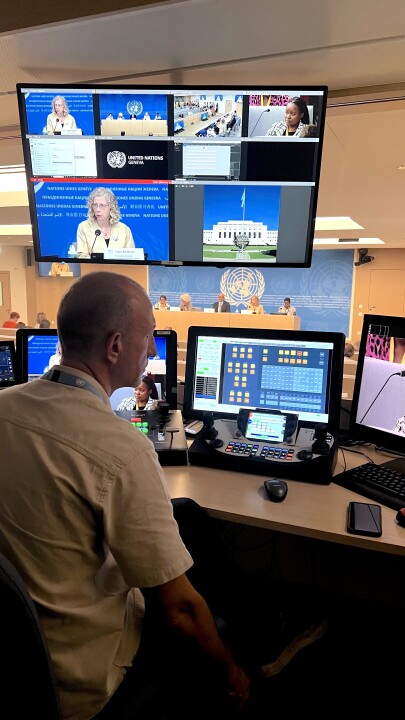
- Plan large, journalistes de la salle de presse, participants, écrans de télévision montrant l'orateur, cabines de contrôle.
- EXTRAIT SONORE (Anglais) – Inger Andersen, Directrice exécutive, Programme des Nations Unies pour l'environnement (PNUE) : “J'ai eu le privilège mais aussi le lourd devoir de visiter le Pakistan juste après les inondations ; ces inondations terribles, terribles, incroyablement catastrophiques. Et les débris et le plastique faisaient partie intégrante du problème et c'est pourquoi nous sommes ici, pour trouver une solution sans laisser personne de côté et tout en veillant à ce que les rouages économiques continuent de tourner.”
- Plan large, journalistes, photographes, participants.
- EXTRAIT SONORE (Anglais) – Inger Andersen, Directrice exécutive, Programme des Nations Unies pour l'environnement (PNUE) : “Certains devront gérer la réduction, d'autres devront gérer le recyclage mécanique et d'autres encore s'occuperont des alternatives. Voyons comment nous pouvons y parvenir à travers les négociations. Je pense qu'il y a beaucoup de bonne volonté dans le groupe de travail en ce moment.”
- Plan moyen-large, journalistes vidéo TV, journalistes, cabines de contrôle.
- EXTRAIT SONORE (Anglais) – Inger Andersen, Directrice exécutive, Programme des Nations Unies pour l'environnement (PNUE) : “Cela commence par avoir des règles mondiales. C'est vraiment ça. Et c'est ce que ce traité permettra ; lorsque des règles mondiales existeront sur la manière dont ces choses sont gérées, les investisseurs pourront voir qu'ils ont de la prévisibilité parce qu'ils savent qu'il y a un marché pour ce qu'ils collectent et alors il y aura des investissements. Parce que tout d'un coup, ce qui est aujourd'hui un déchet, demain aura de la valeur.”
- Plan moyen-large, journalistes.
- Plan moyen, journalistes.
- Plan moyen, photographe.
- Plan moyen-large, journalistes, participants.
Similar Stories

1
1
1
Press Conferences | IOM , UNDRR
UN stresses importance of household preparedness for disaster risk reduction.

1
1
1
Edited News | UNICEF , IFRC
Six weeks after Nepal’s deadly flooding disaster, communities are still struggling to rebuild their lives, but they will need sustained help as global warming increases the risk of another Himalayan catastrophe, the UN Children’s Fund (UNICEF) said on Friday.
1
1
1
Statements , Press Conferences | OHCHR
1
1
1
Press Conferences | UNHCR , UNICEF , IFRC , OHCHR , UN WOMEN , IOM , OCHA , WHO
UNHCR – ExCom Meeting, UNICEF – Nepal Recovery, IFRC – Flash Floods, WHO – Mental Health, IOM – South Sudan Floods, OCHA – DRC Humanitarian aid, UNHCR – Sahel Displacement, UNICEF – Yemen Update, IOM – Gaza Shelter, UN Women – Gaza Women, OHCHR – Arrests and detentions of Syrians by Israeli force
2
1
2
Press Conferences | UNCTAD
Presentation of the Trade and Developement Report 2026
Embargoed until 9 October 2026 at 11 a.m. (Geneva Time)
UNCTAD: UNCTAD’s flagship report finds that governments increasingly use industrial, trade, financial and technology policies to pursue economic and national security objectives. Market access and the ability to move into higher-value activities now depend more heavily on technology, finance and geopolitics.
1
1
1
Press Conferences | UPU
Release of the State of the Postal Sector Report 2026

1
1
1
Edited News | WHO
In suspected Russia plague death, testing and monitoring underway – WHO
The death of a lab worker in Russia’s Siberia region has sparked concerns about plague being the cause, the UN World Health Organization (WHO) said on Tuesday, adding that it was following the situation closely.
1
1
1
Press Conferences | IOM , ITU , UNECE , UNICEF , WHO , WMO
UNICEF: Ebola, DRC - children orphans or separating them from parents and caregivers; IOM: Humanitarian needs in Djibouti amid arrivals from Yemen and increased migrant movements; WHO: Darfur, scale of health needs far exceeds available resources; WMO co-sponsored Global Heat Forum, Bangkok, monthly Global Seasonal Climate Update; UNECE: UN Forum of Mayors; ITU Plenipotentiary Conference 2026; WHO: child and adolescent obesity guidelines and new global roadmap to tackle pregnancy hypertension, a leading cause of maternal mortality

1
1
Edited News | OHCHR , UNOG
UN Human Rights Chief Volker Türk on Friday provided and oral update to the 63rd session of the Human rights Council on Ukraine.

1
1
1
Edited News | OHCHR , UNOG
UN Human Rights Chief Volker Türk on Friday provided and oral update to the 63rd session of the Human rights Council on the human rights situation in Haiti.

1
1
1
Edited News | WHO
Repeated delays in bringing lifesaving medicines, prosthetics and more from Israel into Gaza risk having devastating consequences on Palestinians who urgently need them in the wartorn enclave, the UN World Health Organization (WHO) said on Friday. “A truck full of non-priority supplies or the right supplies arriving too late, doesn't save lives. That's the question that actually matters," said Dr Reinhilde Van De Weerdt, WHO Representative in the OPT.
1
1
1
Press Conferences | OCHA , UN WOMEN , UNHCR , WFP , WHO , WTO , UNEP
OCHA – $160M CERF allocation to 12 underfunded crises; UNHCR – 5.8M refugee children remain out of school amid funding cuts; UN Women – Middle East escalation and food security among women/girls; WHO – Gaza supplies and overall situation; WFP – Yemen food insecurity and impact on global hunger ; UNEP - First International Conference of the Global Framework on Chemicals in Geneva | 16-20 November 2026