

The United Nations Office at Geneva
Multimedia Newsroom
Edited News
Actualización sobre Gaza de la oficina del ACNUDH en los territorios ocupados
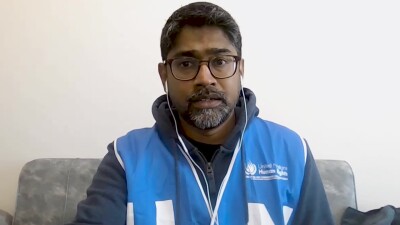
Hay un caos total y desesperación en Gaza, dijo el jefe del equipo de la Oficina de Derechos Humanos de la ONU en el Territorio Palestino Ocupado, Ajith Sunghay, el viernes desde Rafah.
Sunghay, quien ha estado en Gaza esta semana, dio una actualización sobre la situación en el terreno, incluyendo detalles de sus reuniones con palestinos detenidos durante semanas por las fuerzas israelíes.
"Estamos alcanzando otro hito impresionante en Gaza, casi 25,000 personas reportadas como muertas, según el Ministerio de Salud de Gaza. El setenta por ciento de ellas son mujeres y niños. Otros 61,500, al menos, han resultado heridos. Varios miles más están bajo los escombros, muchos presumiblemente muertos", dijo Sunghay en la rueda de prensa quincenal en Ginebra.
"La gente sigue llegando a Rafah desde varios lugares en miles, en situaciones desesperadas, montando refugios improvisados con cualquier material que puedan conseguir. He visto hombres y niños buscando ladrillos para poder sostener en su lugar tiendas hechas con bolsas de plástico. Esta es una crisis masiva de derechos humanos. Y un desastre humanitario importante, hecho por el hombre. Gaza necesita una urgente ampliación de la ayuda humanitaria, incluida la respuesta de protección", dijo.
"Es un ambiente de olla a presión aquí, en medio de un caos total, dada la terrible situación humanitaria, la escasez y el miedo y la ira generalizados", agregó Sunghay.
Un apagón de comunicaciones ha continuado durante un sexto día consecutivo, aumentando la confusión y el miedo, y evitando que los gazatíes accedan a servicios e información sobre áreas para evacuar.
"El bombardeo pesado de la zona central de Gaza y Khan Younis es claramente visible y audible desde Rafah, especialmente por la noche, escucho bombardeos, a veces varias veces por hora. La noche es claramente el momento más aterrador para la gente, incluso en Rafah. Y también pienso en los más de 100 civiles retenidos como rehenes en Gaza, invisibles, que seguramente escuchan los mismos sonidos y sienten el mismo miedo", dijo Sunghay.
"Durante mi tiempo aquí, he logrado reunirme con varios detenidos liberados. Estos son hombres que fueron detenidos por las Fuerzas de Seguridad de Israel en lugares desconocidos durante entre 30 y 55 días. Describieron haber sido golpeados, humillados, sometidos a malos tratos y a lo que podría ser tortura", dijo Sunghay.
"Informaron que estuvieron vendados durante largos períodos, algunos de ellos durante varios días consecutivos. Un hombre dijo que solo tuvo acceso a una ducha una vez durante sus 55 días de detención. Hay informes de hombres que fueron liberados posteriormente, pero solo con pañales, sin ropa adecuada, en este clima frío", dijo. "Algunas personas fueron liberadas, tenían todavía puestas las uniformes de prisión y les quitaron todo lo que tenían en el pasado cuando fueron inicialmente detenidos, incluyendo ropa, pertenencias, moneda, etc., que no les fue devuelto. Así que salieron con uniformes de prisión, o salieron con pañales. Así que no estamos seguros exactamente de por qué los pusieron en pañales y los enviaron, pero claramente estaban visiblemente conmocionados e incluso sacudidos cuando los conocí y hablé con ellos", dijo.
"Lo que me dijeron fue consistente con los informes que nuestra Oficina ha estado recopilando sobre la detención de palestinos a gran escala, incluidos muchos civiles, retenidos en secreto, a menudo sometidos a malos tratos, sin acceso a sus familias, abogados o protección judicial efectiva", dijo Sunghay.
Las familias de los detenidos, que se cree que son miles, no han recibido información sobre el destino o la ubicación de sus seres queridos. Israel debe tomar medidas urgentes para garantizar que todos los arrestados o detenidos sean tratados de acuerdo con las normas y estándares internacionales de derechos humanos y derecho internacional humanitario, especialmente con pleno respeto a sus derechos procesales, dijo Sunghay.
"Lo que hemos escuchado es que se cuentan por miles. Pero no puedo darles números exactos o siquiera una estimación aproximada. La coincidencia de diferentes fuentes que he escuchado es que llega a miles. Pero hay variaciones en los números que están proporcionando simplemente porque estas detenciones están ocurriendo en diferentes partes de Gaza, del Medio Oriente, de las partes del norte, probablemente también en Khan Yunis. Entonces, con ese caso en el que la gente no puede moverse, las ONG no están funcionando de la manera en que solían hacerlo, ha sido extremadamente difícil llegar a algún tipo de cifra en este momento", agregó.
"Tengo que terminar con un resonante ruego desde Gaza, sobre todo, por un alto el fuego inmediato, por razones de derechos humanos y humanitarias, y para que todos los rehenes sean liberados. Estos horrores no deben normalizarse", concluyó Sunghay.
Para obtener más información y solicitudes de medios, comuníquese con
En Ginebra:
Ravina Shamdasani - + 41 22 917 9169 / ravina.shamdasani@un.org
Liz Throssell + 41 22 917 9296 / elizabeth.throssell@un.org
Marta Hurtado - + 41 22 917 9466 / marta.hurtadogomez@un.org
Etiquete y comparta - Twitter: @UNHumanRights y Facebook: unitednationshumanrights
HISTORIA: Situación en Gaza por el Jefe de la Oficina de Derechos Humanos de la ONU en el Territorio Palestino Ocupado, Ajith Sunghay
DURACIÓN: 04:42
FUENTE: OHCHR / UNTV
RESTRICCIONES: NINGUNA
IDIOMA: Inglés/NATS
RELACIÓN DE ASPECTO: 16:9
FECHA: 19/01/2024 GINEBRA, SUIZA
LISTA DE TOMAS
- Toma exterior: Palais des Nations
- Planos generales: Sala de conferencias
- DECLARACIONES (en inglés) - Ajith Sunghay, Jefe de la oficina de OHCHR en OPT para el Alto Comisionado de las Naciones Unidas para los Derechos Humanos (OHCHR): “Estamos alcanzando otro hito impactante en Gaza, casi 25,000 personas reportadas muertas, según el Ministerio de Salud de Gaza. El setenta por ciento de ellas son mujeres y niños. Otros 61,500, al menos, han resultado heridos. Varias miles más están bajo los escombros, muchos presumiblemente muertos.”
- Planos generales: Sala de conferencias
- DECLARACIONES (en inglés) - Ajith Sunghay, Jefe de la oficina de OHCHR en OPT para el Alto Comisionado de las Naciones Unidas para los Derechos Humanos (OHCHR): “La gente sigue llegando a Rafah desde varios lugares en masa, en situaciones desesperadas, improvisando refugios con cualquier material que puedan conseguir. He visto a hombres y niños buscando ladrillos para sostener tiendas hechas con bolsas de plástico. Esta es una crisis masiva de derechos humanos. Y un desastre humanitario importante, hecho por el hombre. Gaza necesita una urgente ampliación de la ayuda humanitaria, incluida la respuesta de protección.”
- Planos generales: Sala de conferencias
- DECLARACIONES (en inglés) - Ajith Sunghay, Jefe de la oficina de OHCHR en OPT para el Alto Comisionado de las Naciones Unidas para los Derechos Humanos (OHCHR): &ldquo>Es un ambiente de olla a presión aquí, en medio del caos absoluto, dada la terrible situación humanitaria, la escasez y el miedo y la ira generalizados.”
- Planos generales: Sala de conferencias
- DECLARACIONES (en inglés) - Ajith Sunghay, Jefe de la oficina de OHCHR en OPT para el Alto Comisionado de las Naciones Unidas para los Derechos Humanos (OHCHR): “El intenso bombardeo de la parte central de Gaza y Khan Younis es claramente visible y audible desde Rafah, especialmente por la noche, escucho bombardeos, a veces varias veces por hora. La noche es claramente el momento más aterrador para la gente, incluso en Rafah. Y también pienso en los más de 100 civiles retenidos como rehenes en Gaza, invisibles, que seguramente escuchan los mismos sonidos y sienten el mismo miedo.”
- Planos generales: Sala de conferencias
- DECLARACIONES (en inglés) - Ajith Sunghay, Jefe de la oficina de OHCHR en OPT para el Alto Comisionado de las Naciones Unidas para los Derechos Humanos (OHCHR): “Durante mi tiempo aquí, he logrado reunirme con varios detenidos liberados. Estos son hombres que fueron detenidos por las Fuerzas de Seguridad de Israel en lugares desconocidos durante entre 30 y 55 días. Describieron haber sido golpeados, humillados, sometidos a malos tratos y a lo que podría constituir tortura.”
- Planos generales: Sala de conferencias
- DECLARACIONES (en inglés) - Ajith Sunghay, Jefe de la oficina de OHCHR en OPT para el Alto Comisionado de las Naciones Unidas para los Derechos Humanos (OHCHR): “Informaron que les vendaron los ojos durante largos períodos, algunos de ellos durante varios días consecutivos. Un hombre dijo que solo tuvo acceso a una ducha una vez durante sus 55 días de detención. Hay informes de hombres que fueron liberados posteriormente, pero solo con pañales, sin ropa adecuada, en este clima frío.”
- Planos generales: Sala de conferencias
- DECLARACIONES (en inglés) - Ajith Sunghay, Jefe de la oficina de OHCHR en OPT para el Alto Comisionado de las Naciones Unidas para los Derechos Humanos (OHCHR): “Algunas personas fueron liberadas, todavía tenían puestas las uniformes de prisión, les quitaron todo lo que tenían en el pasado cuando fueron detenidos inicialmente, incluida la ropa, pertenencias, dinero, etc., que no les fue devuelto. Así que salieron con uniformes de prisión, o salieron con pañales. No estamos seguros de por qué los pusieron en pañales y los enviaron, pero claramente estaban visiblemente conmocionados e incluso afectados cuando los conocí y hablé con ellos.”
- Planos generales: Sala de conferencias
- DECLARACIONES (en inglés) - Ajith Sunghay, Jefe de la oficina de OHCHR en OPT para el Alto Comisionado de las Naciones Unidas para los Derechos Humanos (OHCHR): “Lo que me dijeron fue consistente con los informes que nuestra Oficina ha estado recopilando sobre la detención de palestinos a gran escala, incluidos muchos civiles, retenidos en secreto, a menudo sometidos a malos tratos, sin acceso a sus familias, abogados o protección judicial efectiva.”
- Planos generales: Sala de conferencias
- DECLARACIONES (en inglés) - Ajith Sunghay, Jefe de la oficina de OHCHR en OPT para el Alto Comisionado de las Naciones Unidas para los Derechos Humanos (OHCHR): “Lo que hemos escuchado es que se cuentan por miles. Pero no puedo darles números exactos ni siquiera una estimación aproximada. La coincidencia de diferentes fuentes que he escuchado es que se trata de miles. Pero hay variaciones en los números que proporcionan simplemente porque estas detenciones están ocurriendo en diferentes partes de Gaza, del Medio Oriente, de las partes del norte, probablemente también en Khan Yunis. Entonces, con esa situación en la que la gente no puede moverse, las ONG no están funcionando de la manera en que solían hacerlo, ha sido extremadamente difícil llegar a alguna cifra en esta etapa.”
- Planos generales: Sala de conferencias
- DECLARACIONES (en inglés) - Ajith Sunghay, Jefe de la oficina de OHCHR en OPT para el Alto Comisionado de las Naciones Unidas para los Derechos Humanos (OHCHR): “Tengo que terminar con un enérgico ruego desde Gaza, sobre todo, por un alto el fuego inmediato, por razones de derechos humanos y humanitarias, y para que todos los rehenes sean liberados. Estas atrocidades no deben normalizarse.”
Similar Stories

1
1
1
Edited News | OCHA , UNICEF , WFP
Aid agencies warned on Friday of the fast-developing humanitarian emergency inside Taiz City in Yemen, which has been encircled by de facto Houthi forces fighting government troops along the country’s west coast.

2
17
1
2
Edited News , Press Conferences , Images | OCHA , WMO
Two UN agencies teamed up on Wednesday to issue an appeal for immediate assistance to help communities already being impacted by the strongest El Niño on record.

3
16
2
2
Edited News , B-roll , Conferences , Images | UNITED NATIONS , UNOG
Sixth Consultative Meeting on Enhancing Coordination of Peace Initiatives and Efforts for Sudan

1
1
1
Edited News | UNICEF , WHO , UNHCR
Yemen war continues to force families from homes amid hunger and disease
More than 250,000 people have now fled renewed fighting in Yemen, the UN said on Tuesday, citing particular concern for those sheltering in the southwestern city of Taiz and the wider governorate, where access is “essentially blocked”.

1
1
1
Edited News | UNICEF
A little over one year since a ceasefire agreement was announced between Hamas fighters and Israel, more than 340 children have been reported killed and hundreds more injured, the UN Children’s Fund, UNICEF, said on Friday.

1
1
1
Edited News | UNICEF , IFRC
Six weeks after Nepal’s deadly flooding disaster, communities are still struggling to rebuild their lives, but they will need sustained help as global warming increases the risk of another Himalayan catastrophe, the UN Children’s Fund (UNICEF) said on Friday.

1
1
1
Edited News | WHO
In suspected Russia plague death, testing and monitoring underway – WHO
The death of a lab worker in Russia’s Siberia region has sparked concerns about plague being the cause, the UN World Health Organization (WHO) said on Tuesday, adding that it was following the situation closely.

1
1
Edited News | OHCHR , UNOG
UN Human Rights Chief Volker Türk on Friday provided and oral update to the 63rd session of the Human rights Council on Ukraine.

1
1
1
Edited News | OHCHR , UNOG
UN Human Rights Chief Volker Türk on Friday provided and oral update to the 63rd session of the Human rights Council on the human rights situation in Haiti.

1
1
1
Edited News | WHO
Repeated delays in bringing lifesaving medicines, prosthetics and more from Israel into Gaza risk having devastating consequences on Palestinians who urgently need them in the wartorn enclave, the UN World Health Organization (WHO) said on Friday. “A truck full of non-priority supplies or the right supplies arriving too late, doesn't save lives. That's the question that actually matters," said Dr Reinhilde Van De Weerdt, WHO Representative in the OPT.

1
1
1
Edited News | WHO
DRC: Early access to care and oxygen decisive for Ebola patients’ survival – WHO
In the Democratic Republic of the Congo (DRC), health workers fighting the country’s largest-ever Ebola outbreak are struggling to overcome critical challenges to patient care, the UN World Health Organization (WHO) warned on Tuesday.

1
1
1
Edited News | OCHA , UN
Civilians in Iran are continuing to feel the consequences of months of conflict and military escalation, the UN’s top official in the country has said, as loss of life, damage to civilian infrastructure and mounting economic pressures leave many facing continued uncertainty.