

The United Nations Office at Geneva
Multimedia Newsroom
At least 700 healthcare workers, patients died in attacks since December 2017
More than 700 health care workers and patients have died since December 2017 and more than 2,000 have been injured in attacks on health facilities, according to a three- year analysis by the UN World Health Organization (WHO), released on Tuesday.
The Surveillance System for Attacks on Health Care from 2018 to 2020, recorded data from 17 emergency-affected countries and fragile settings.
These included Ethiopia, Yemen, Syria, Mozambique, Nigeria, Occupied Palestinian Territories, Myanmar, Central African Republic and Somalia
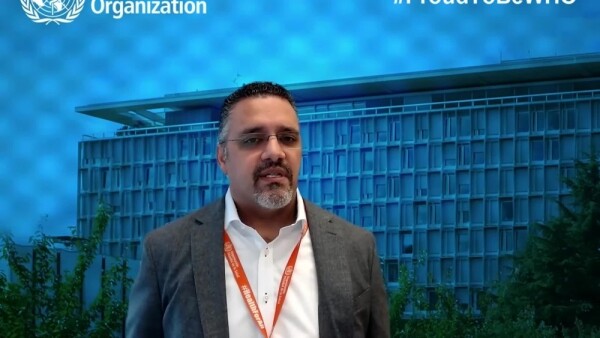
“We are deeply concerned that hundreds of health facilities have been destroyed or closed, health workers killed and injured, and millions of people denied the healthcare they deserve,” said Altaf Musani, Director of the Health Emergencies Interventions, WHO, at a virtual press briefing hosted by UN Geneva.
The WHO initiative has three main pillars of work: the systematic collection of evidence of attacks, advocacy for the end of such attacks and the promotion of good practices for protecting health care.
Giving details of the report’s findings, Mr. Musani, said that “one out of six incidents have led to a patient or health worker’s loss of life in 2020”.
Health workers were impacted the most, he added, as they represented “two-thirds of all attacks in 2018, 2019 and 50 per cent of all recorded incidents in 2020”.
The report warned that the impact of attacks on health care went well beyond endangering health providers, especially in light of the ongoing COVID-19 response. “Their impact reverberates on health workers’ mental health and willingness to report to work, on the communities’ willingness to seek health care and also drastically reduces resources for responding to health crises, among others,” the WHO official said.
The “ripple effect of a single incident is huge” and has “long-term consequences for the health system as whole”, Mr. Musani insisted, before calling on all parties in conflicts to ensure safe working spaces for the delivery of health care services and safe access to health care, free from violence, threat or fear.
“One attack is an attack too many,” he said.
ends
STORY: WHO - Attacks On Healthcare
TRT: 3’24”
SOURCE: UNTV CH
RESTRICTIONS: NONE
LANGUAGE: ENGLISH
ASPECT RATIO: 16:9
DATELINE: 3 August 2021, GENEVA, SWITZERLAND
SHOTLIST
1.Exterior wide shot, United Nations flag flying.
2. SOUNDBITE: (ENGLISH) Altaf Musani, Director of the Health Emergencies Interventions, WHO: “Since 2017, the initial rollout of the system, over 2,700 incidents have been recorded in 17 countries and territories. In particular, 700 healthcare workers and patients have died and more than 200 have been injured. This three-year analysis illustrates that one out of six incidents has led to a patient or healthcare worker's loss of life in 2020. The analysis further demonstrates that healthcare workers are most vulnerable and most affected. Healthcare workers impacted in this study represent two-thirds of all attacks in 2018, 2019 and 50 per cent of all recorded incidents in 2020. And this is compared to some of the other variables of attacks on the systems and this includes the medical supplies, the medical assets and the facility itself. In 2021 to date, 588 incidents of attacks on healthcare have been recorded in 14 countries that are currently impacted by security and emergencies. This too has caused 114 deaths and 278 injuries of healthcare workers and patients.”
3.SOUNDBITE: (ENGLISH) Altaf Musani, Director of the Health Emergencies Interventions, WHO: “The impact of these healthcare attacks goes well beyond claiming lives. The ramification of such attacks, especially in light of COVID-19 response, is significant and alarming. Their impact reverberates on healthcare workers mental health, and willingness to report to work, equally on communities’ willingness to seek healthcare and also drastically reduces resources for responding to a health crisis, amongst others. The ripple effect of a single incident is huge and has a long-lasting impact on the health system at large.”
4.SOUNDBITE: (ENGLISH) Altaf Musani, Director of the Health Emergencies Interventions, WHO: “During the pandemic more than ever, health care workers must be protected, must be respected. Health hospitals and health care facilities, including the transportation of ambulances, should not be used for military purposes as essential conditions for the continued delivery of vital health care must be given the necessary space. Any reduction in this capacity will interrupt services, result in the loss of resources, deprive vulnerable communities of this urgent care as well as undermine health systems and jeopardise long term public health goals.
5.SOUNDBITE: (ENGLISH) Altaf Musani, Director of the Health Emergencies Interventions, WHO: “WTO calls on all relevant parties in conflicts to ensure the establishment of safe working spaces for the delivery of health care services and equitable, safe access to health care, free from violence, threat or fear. One attack is an attack too many.”
Similar Stories
1
1
1
Edited News | OCHA , UNICEF , WFP
Aid agencies warned on Friday of the fast-developing humanitarian emergency inside Taiz City in Yemen, which has been encircled by de facto Houthi forces fighting government troops along the country’s west coast.

2
17
1
2
Edited News , Press Conferences , Images | OCHA , WMO
Two UN agencies teamed up on Wednesday to issue an appeal for immediate assistance to help communities already being impacted by the strongest El Niño on record.

3
16
2
2
Edited News , B-roll , Conferences , Images | UNITED NATIONS , UNOG
Sixth Consultative Meeting on Enhancing Coordination of Peace Initiatives and Efforts for Sudan

1
1
1
Edited News | UNICEF , WHO , UNHCR
Yemen war continues to force families from homes amid hunger and disease
More than 250,000 people have now fled renewed fighting in Yemen, the UN said on Tuesday, citing particular concern for those sheltering in the southwestern city of Taiz and the wider governorate, where access is “essentially blocked”.

1
1
1
Edited News | UNICEF
A little over one year since a ceasefire agreement was announced between Hamas fighters and Israel, more than 340 children have been reported killed and hundreds more injured, the UN Children’s Fund, UNICEF, said on Friday.

1
1
1
Edited News | UNICEF , IFRC
Six weeks after Nepal’s deadly flooding disaster, communities are still struggling to rebuild their lives, but they will need sustained help as global warming increases the risk of another Himalayan catastrophe, the UN Children’s Fund (UNICEF) said on Friday.

1
1
1
Edited News | WHO
In suspected Russia plague death, testing and monitoring underway – WHO
The death of a lab worker in Russia’s Siberia region has sparked concerns about plague being the cause, the UN World Health Organization (WHO) said on Tuesday, adding that it was following the situation closely.

1
1
Edited News | OHCHR , UNOG
UN Human Rights Chief Volker Türk on Friday provided and oral update to the 63rd session of the Human rights Council on Ukraine.

1
1
1
Edited News | OHCHR , UNOG
UN Human Rights Chief Volker Türk on Friday provided and oral update to the 63rd session of the Human rights Council on the human rights situation in Haiti.

1
1
1
Edited News | WHO
Repeated delays in bringing lifesaving medicines, prosthetics and more from Israel into Gaza risk having devastating consequences on Palestinians who urgently need them in the wartorn enclave, the UN World Health Organization (WHO) said on Friday. “A truck full of non-priority supplies or the right supplies arriving too late, doesn't save lives. That's the question that actually matters," said Dr Reinhilde Van De Weerdt, WHO Representative in the OPT.

1
1
1
Edited News | WHO
DRC: Early access to care and oxygen decisive for Ebola patients’ survival – WHO
In the Democratic Republic of the Congo (DRC), health workers fighting the country’s largest-ever Ebola outbreak are struggling to overcome critical challenges to patient care, the UN World Health Organization (WHO) warned on Tuesday.

1
1
1
Edited News | OCHA , UN
Civilians in Iran are continuing to feel the consequences of months of conflict and military escalation, the UN’s top official in the country has said, as loss of life, damage to civilian infrastructure and mounting economic pressures leave many facing continued uncertainty.