

The United Nations Office at Geneva
Multimedia Newsroom
‘Constellation’ of post-COVID symptoms will impact global healthcare, says WHO
Far more research is needed into the “constellation” of sometimes debilitating symptoms among people who’ve recovered from COVID-19, the World Health Organization (WHO) said on Friday, adding that it “will impact” global health systems.
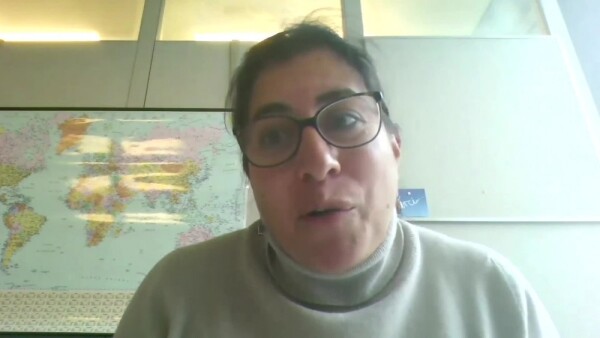
“We know that this post-COVID-19 condition or as patients, some patients also call it ‘long COVID’ and some clinicians call it ‘long COVID’, is a heterogenous group of symptoms that occur after the acute illness,” said Dr Janet Diaz, Team Lead, Health Care Readiness at WHO.
“So, these are symptoms or complications that can happen potentially a month after, three months after or even six months after, and as we are learning more, we are trying to understand the real duration of this condition.”
Citing reported symptoms such as neurological and physical illness, Dr Diaz noted that an unspecified number of sufferers had been unable to return to work, once they had recovered from the acute sickness caused by the new coronavirus.
“We are concerned obviously with the numbers of patients infected with SARS-CoV-2 virus that the numbers…just by the magnitude of the pandemic, will impact health systems.”
Although comprehensive data on the condition is not yet available, the WHO official insisted that “these (symptoms) were real”.
“Some of the “more common” ailments were “fatigue, exhaustion and post-exertional malaise, cognitive disfunction”, along with what some patients called “brain fog”, Dr Diaz said, describing a “constellation of symptoms”.
Further research is also needed to drill down into how many COVID-19 sufferers who did not require intensive care unit (ICU) treatment still went on to develop the condition.
“What we know this far is that patients experiencing post-COVID-19 condition could have been hospitalized patients, those in the ICU. So we do know that has happened in patients who are very sick, but also in patients who were not managed inside the hospital, those patients that were deemed to have you know what we thought as mild illness and were treated in the ambulatory outpatient setting; but in fact, they have had complications and they have had persistent symptoms or new symptoms, you know persistent symptoms, or symptoms that waxed and waned, that came and went after their acute illness.”
To promote a better understanding of post-COVID sickness and support patient care and public health interventions, the WHO has called on clinicians and patients to report data on symptoms to the Organization’s Clinical Platform.
Its case report form – which is available in multiple languages - has been designed to report standardized clinical data from individuals after they have left hospital or after acute illness.
“What we don’t know is why it’s happening, so what is the pathophysiology or (inaudible) of this condition and so the researchers are really working hard to get to the answers of these questions, you know,” Dr Diaz said.
As of Friday 12 February 2021, WHO’s coronavirus tracker reported 107,252,265 confirmed cases of COVID-19, including 2,355,339 deaths.
Regionally, the Americas have seen most cases to date, with 47,814,602 infections, followed by Europe (36,132,951), South-East Asia (13,141,859), Eastern Mediterranean (5,951,021), Africa (2,694,171) and Western Pacific (1,516,916).
- Exterior wide shot, UN flag flying, a cloudy day.
- SOUNDBITE (English) — Dr Janet Diaz, Team Lead, Health Care Readiness, World Health Organization (WHO): “We know that this post-COVID-19 condition or as patients, some patients also call it, ‘long COVID’ and some clinicians call it ‘long COVID’, is a, is a heterogenous group of symptoms that occur after the acute illness. So, these are symptoms or complications that can happen potentially a month after, three months after or even six months after, and as we are learning more, we are trying to understand the real duration of this condition.”
- Wide shot, podium with speakers in a near-empty Room XIV in line with COVID-19 distancing measures, Palais des Nations.
- SOUNDBITE (English) — Dr Janet Diaz, Team Lead, Health Care Readiness, World Health Organization (WHO): “We are concerned obviously with the numbers of patients infected with SARS-CoV-2 virus that the numbers, even if it’s - we don’t know how common it is or how uncommon it is - but the numbers just by the magnitude of the pandemic will impact health systems.”
- Wide shot, podium with speakers in a near-empty Room XIV in line with COVID-19 distancing measures, Palais des Nations.
- SOUNDBITE (English) — Dr Janet Diaz, Team Lead, Health Care Readiness, World Health Organization (WHO): “Some reports are showing that some of the more common symptoms of the post-COVID-19 condition can be fatigue, post-exertional malaise, and cognitive dysfunction and so and sometimes you may be hearing patients describe that as ‘brain fog’.”
- Medium wide-shot, UN staff member sitting in front of laptop, using listening device, Room XIV, Palais des Nations.
- SOUNDBITE (English) — Dr Janet Diaz, Team Lead, Health Care Readiness, World Health Organization (WHO): “What we know this far is that patients experiencing post-COVID-19 condition could have been hospitalized patients, those in the ICU. So we do know that has happened in patients who are very sick, but also in patients who were not managed inside the hospital, those patients that were deemed to have, you know what we thought as mild illness and were treated in the ambulatory outpatient setting, but in fact, they have had complications and they have had persistent symptoms or new symptoms, you know persistent symptoms, or symptoms that waxed and waned, that came and went after their acute illness.”
- Medium wide-shot, journalists sitting in Room XIV, Palais des Nations
- SOUNDBITE (English) — Dr Janet Diaz, Team Lead, Health Care Readiness, World Health Organization (WHO): “What we don’t know is why it’s happening, so what is the pathophysiology or (inaudible) of this condition and so the researchers are really working hard to get to the answers of these questions, you know.”
- Medium shot, low angle-shot, UN staff member to rear, Room XIV, Palais des Nations.
Similar Stories

1
1
1
Edited News | UNICEF
A little over one year since a ceasefire agreement was announced between Hamas fighters and Israel, more than 340 children have been reported killed and hundreds more injured, the UN Children’s Fund, UNICEF, said on Friday.

1
1
1
Edited News | UNICEF , IFRC
Six weeks after Nepal’s deadly flooding disaster, communities are still struggling to rebuild their lives, but they will need sustained help as global warming increases the risk of another Himalayan catastrophe, the UN Children’s Fund (UNICEF) said on Friday.

1
1
1
Edited News | WHO
In suspected Russia plague death, testing and monitoring underway – WHO
The death of a lab worker in Russia’s Siberia region has sparked concerns about plague being the cause, the UN World Health Organization (WHO) said on Tuesday, adding that it was following the situation closely.

1
1
Edited News | OHCHR , UNOG
UN Human Rights Chief Volker Türk on Friday provided and oral update to the 63rd session of the Human rights Council on Ukraine.

1
1
1
Edited News | OHCHR , UNOG
UN Human Rights Chief Volker Türk on Friday provided and oral update to the 63rd session of the Human rights Council on the human rights situation in Haiti.

1
1
1
Edited News | WHO
Repeated delays in bringing lifesaving medicines, prosthetics and more from Israel into Gaza risk having devastating consequences on Palestinians who urgently need them in the wartorn enclave, the UN World Health Organization (WHO) said on Friday. “A truck full of non-priority supplies or the right supplies arriving too late, doesn't save lives. That's the question that actually matters," said Dr Reinhilde Van De Weerdt, WHO Representative in the OPT.

1
1
1
Edited News | WHO
DRC: Early access to care and oxygen decisive for Ebola patients’ survival – WHO
In the Democratic Republic of the Congo (DRC), health workers fighting the country’s largest-ever Ebola outbreak are struggling to overcome critical challenges to patient care, the UN World Health Organization (WHO) warned on Tuesday.

1
1
1
Edited News | OCHA , UN
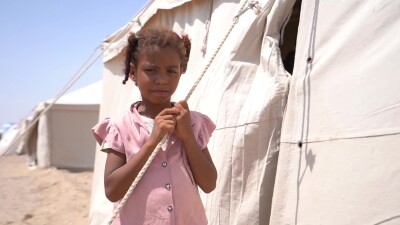
Civilians in Iran are continuing to feel the consequences of months of conflict and military escalation, the UN’s top official in the country has said, as loss of life, damage to civilian infrastructure and mounting economic pressures leave many facing continued uncertainty.
1
1
1
Edited News | WHO , UNICEF
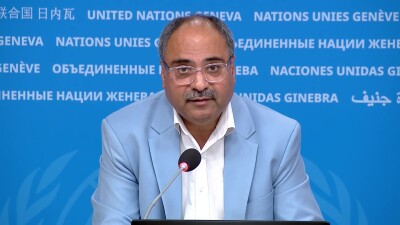
Aid agencies in Yemen highlighted the growing hunger emergency sparked by renewed fighting between Houthi opposition forces and Government troops, after mobile health clinics reported that hundreds of children displaced by the violence are suffering from the most deadly form of malnutrition.
1
1
1
Edited News | UNHCR
Displacement on the rise in Yemen as fighting continues - UNHCR
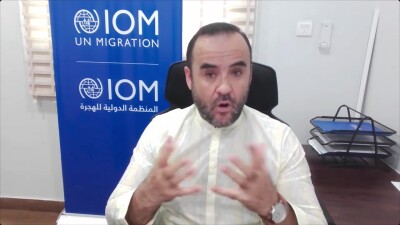
As hostilities worsen in Yemen, more people have been fleeing their homes, further intensifying the humanitarian crisis within the region, the UN Refugee Agency (UNHCR) warned on Tuesday.
1
1
1
Edited News | IOM , OHCHR , UNFPA , UNOG , UNHCR , WHO
Yemen’s humanitarian crisis growing by the hour amid spike in displacement
Yemenis displaced by renewed fighting have described fleeing for their lives amid shelling and gunfire, aid agencies reported on Friday, while highlighting the dramatic increase in humanitarian needs in the country and in Djibouti, where thousands have sought shelter.
1
1
1
Edited News | OHCHR , UNOG
The UN Human Rights Office issued on Friday a report documenting a shocking pattern of sexual violence amid Russia’s full-scale armed attack on Ukraine.