

The United Nations Office at Geneva
Multimedia Newsroom
Edited News , Press Conferences | UNITED NATIONS
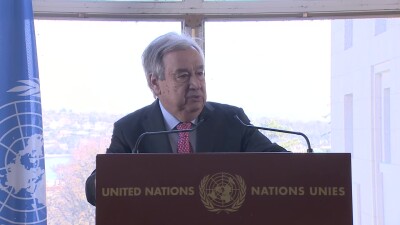
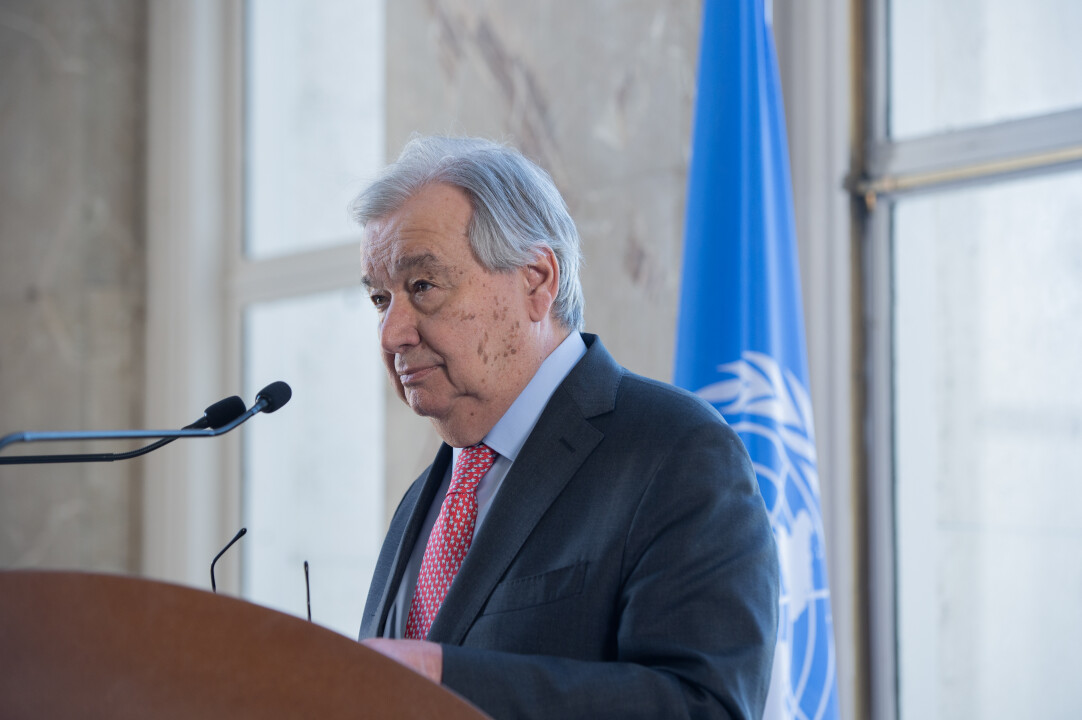
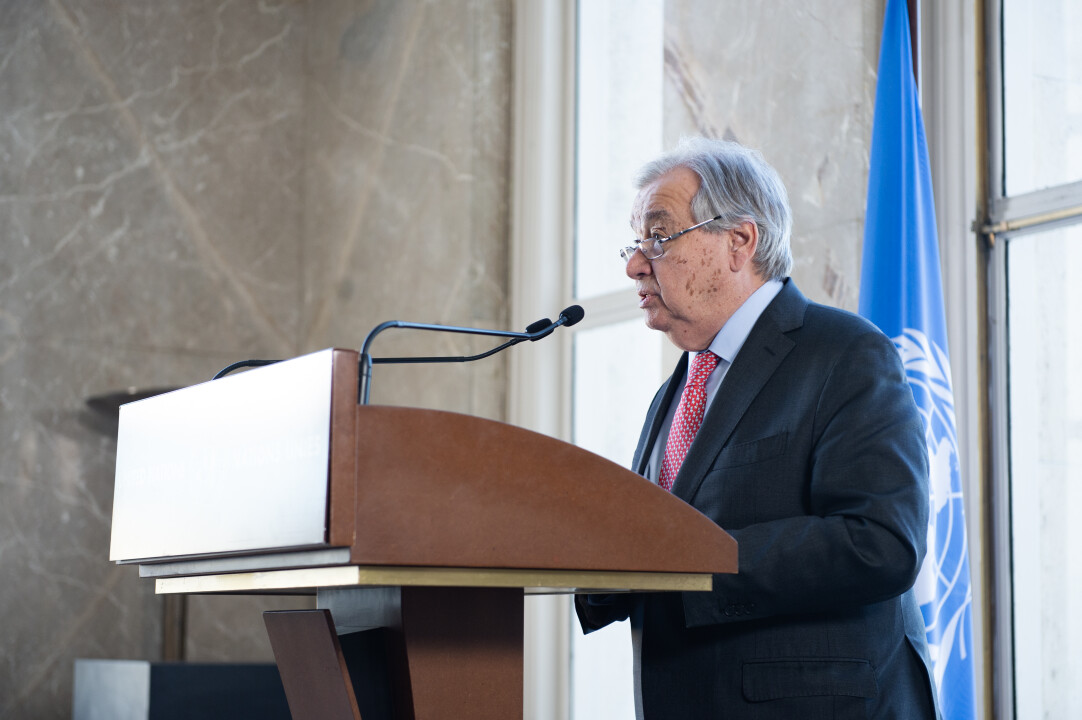
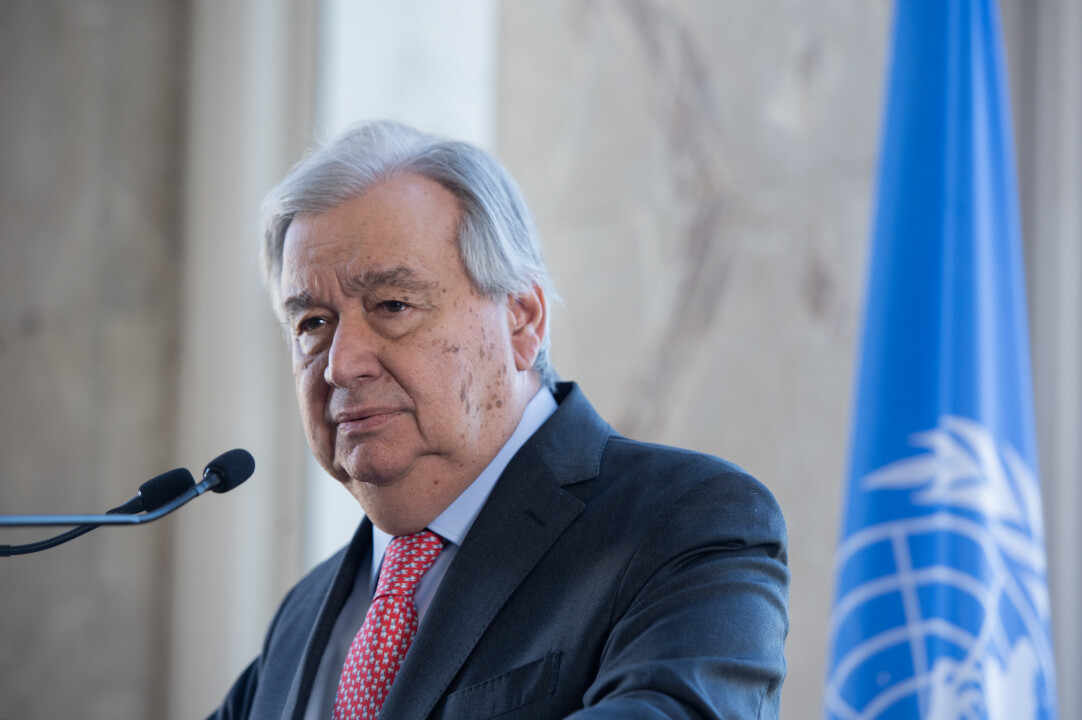
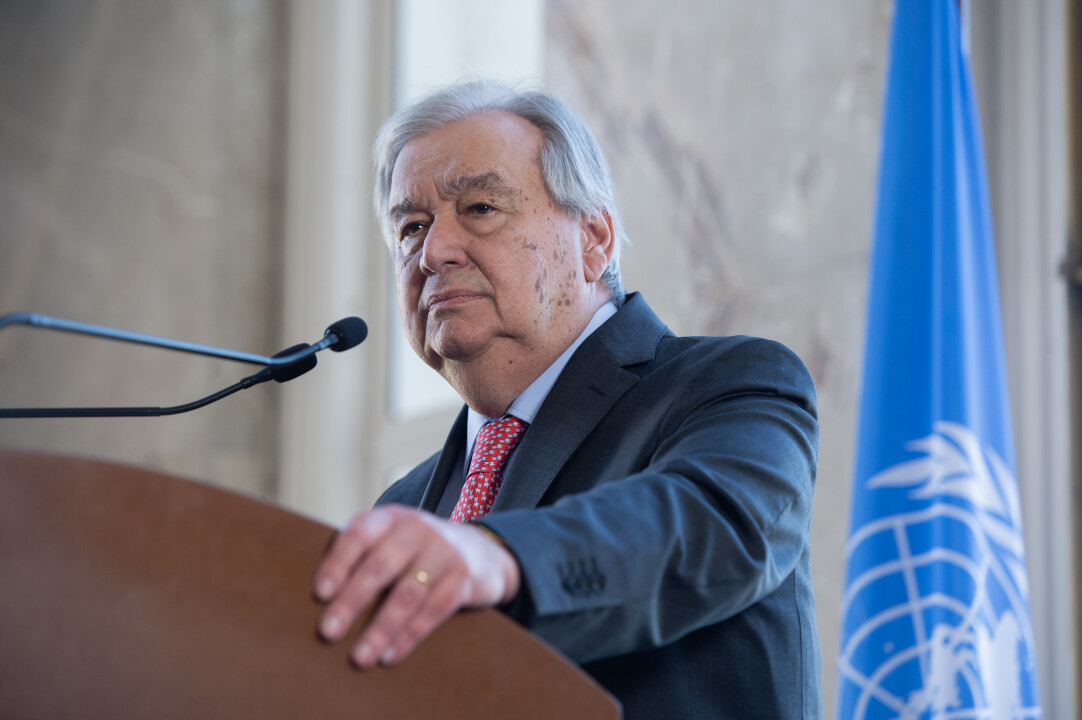
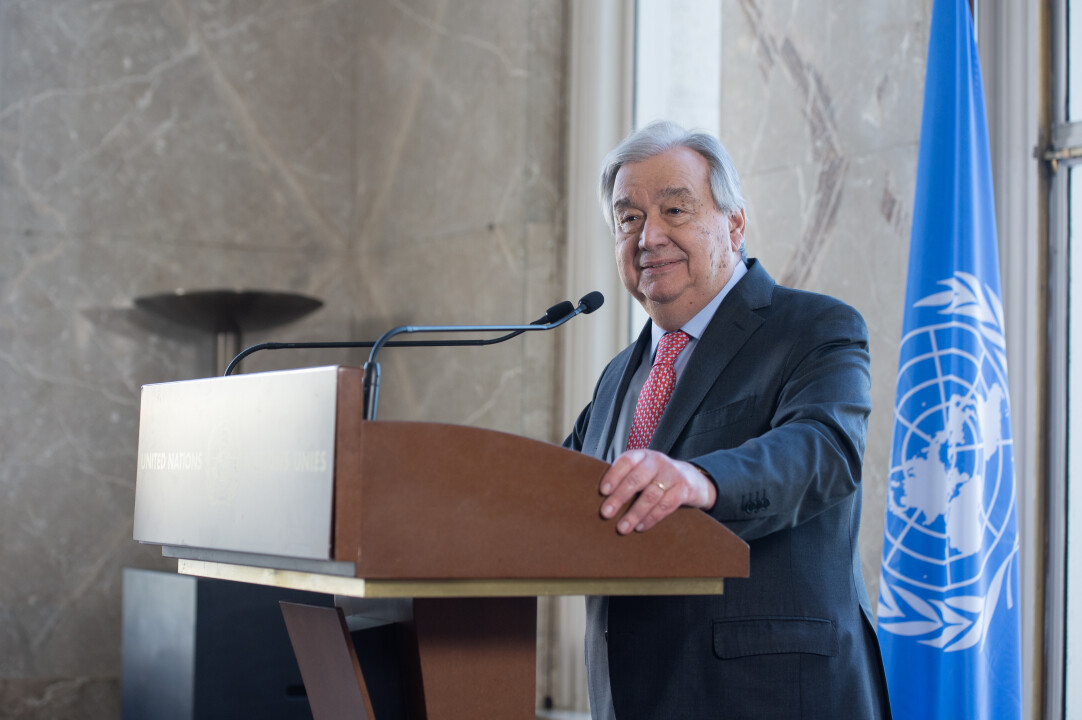
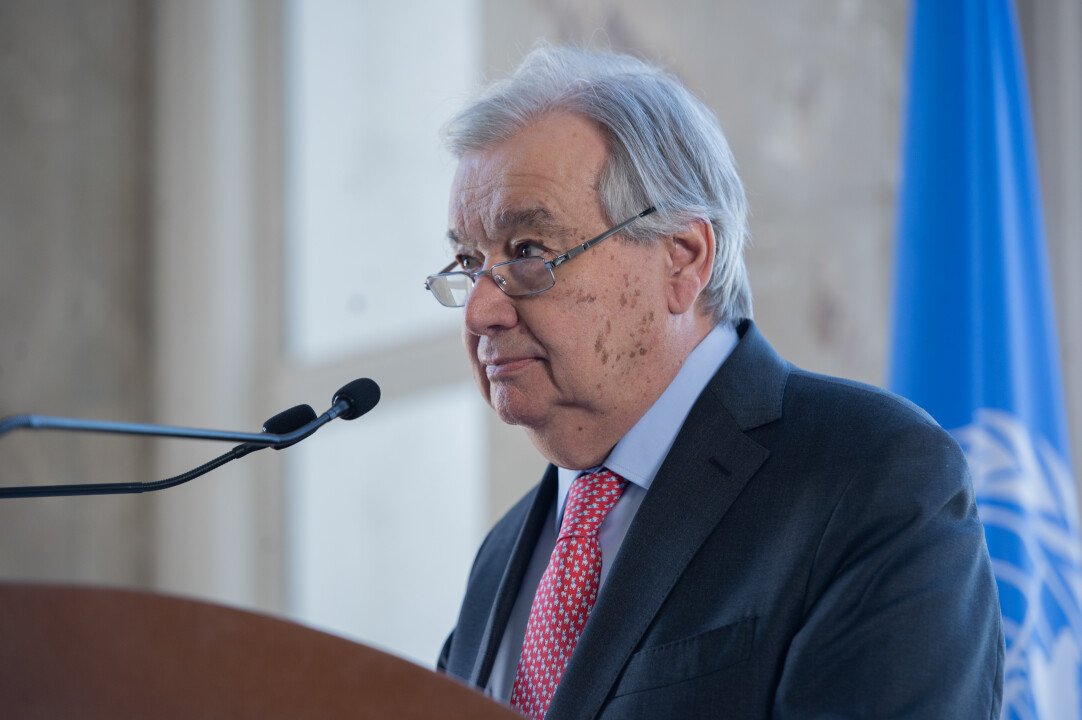
Informal Meeting on Cyprus, UN Geneva: UN Secretary-General António Guterres Media Stakeout - 18 March 2025
Cyprus talks result in trust-building measures, show ‘new atmosphere’ among divided island’s leaders, says UN’s Guterres
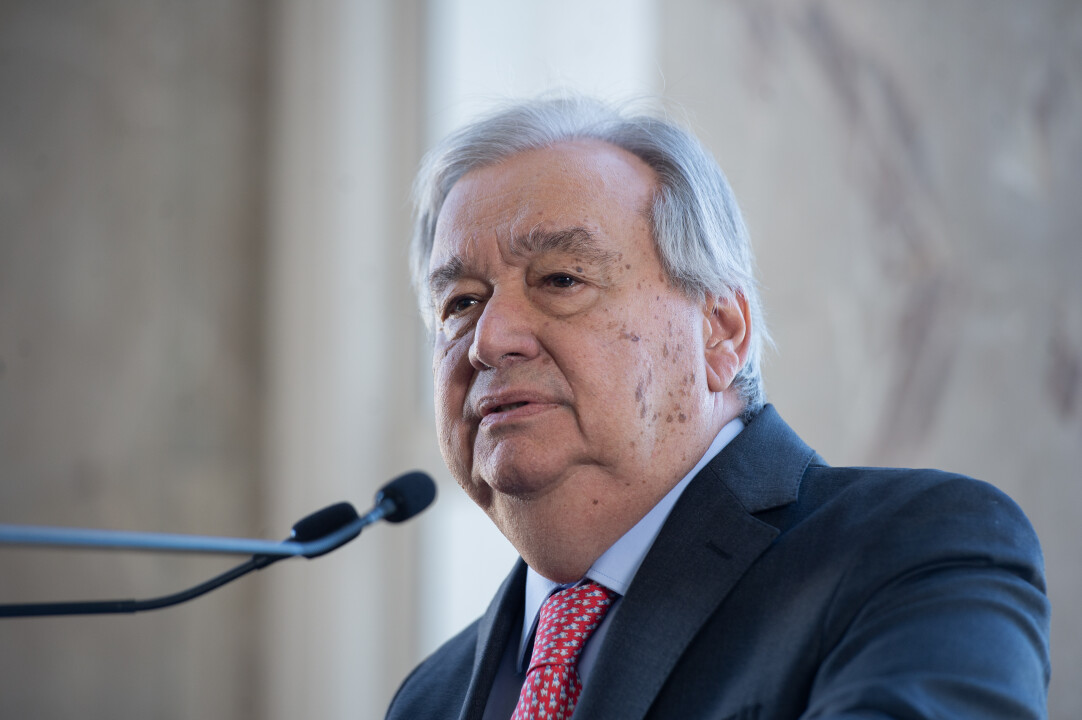
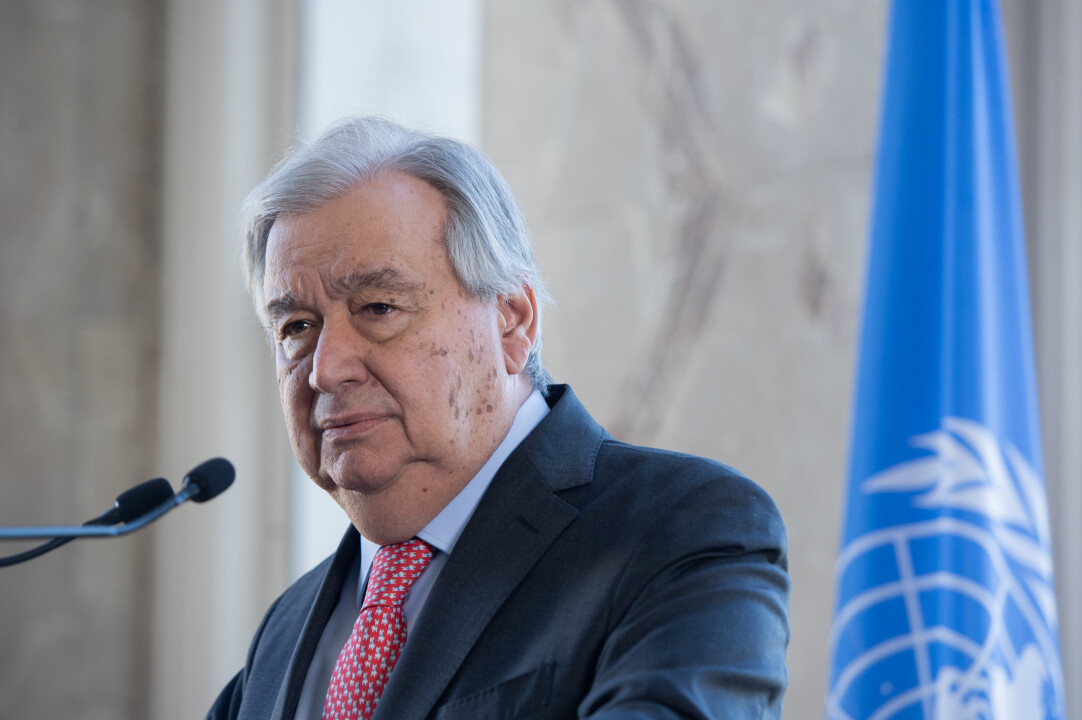
UN-led efforts to kick-start talks on the divided Mediterranean island of Cyprus have resulted in agreements on new trust-building measures and also underscored the positive “new atmosphere” surrounding the discussions, Secretary-General António Guterres said on Tuesday.
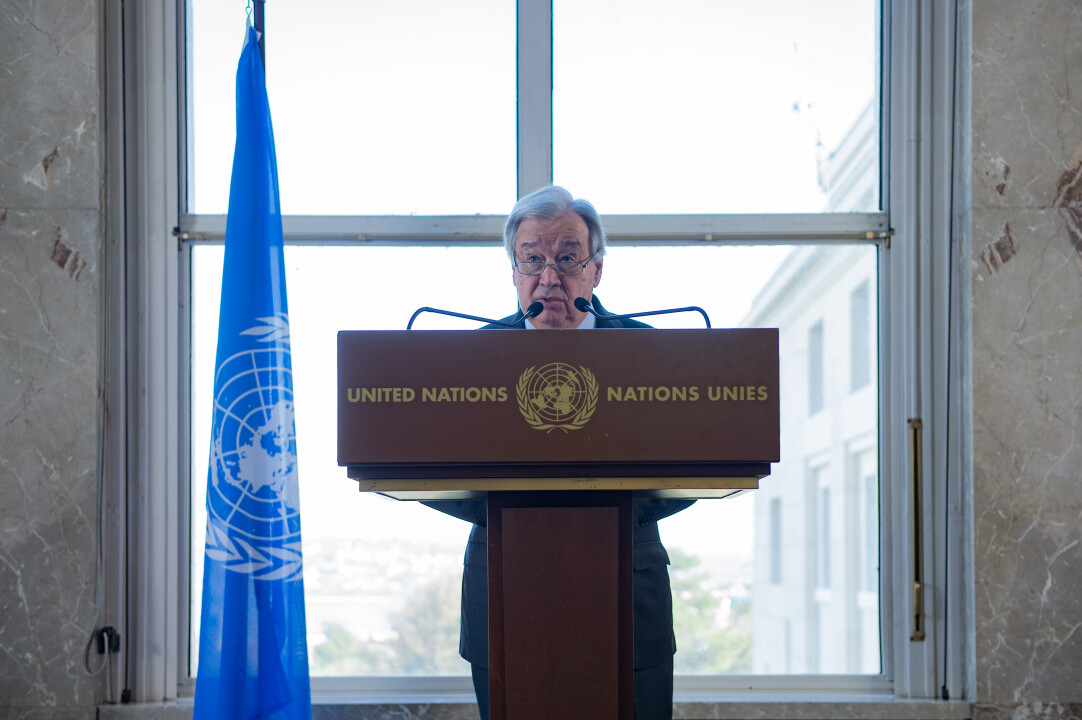
Speaking in Geneva after a second day of informal talks, the UN chief underscored his commitment to ensuring the security and well-being of the Cypriots - the Greek Cypriots and the Turkish Cypriots – “from the very start of my mandate…today was another attempt to find a way forward”.
Greek Cypriot leader Nikos Christodoulides and Ersin Tatar, Turkish Cypriot leader, had gathered at UN Geneva along with guarantors Greece, Türkiye and the United Kingdom at the request of Mr. Guterres.
“Mr. Tatar and Mr. Christodoulides have agreed the following group of initiatives to build trust,” he said, listing “opening of the four crossing points, demining, creation of a technical committee on youth, initiatives on the environment and climate change including the impacts on mining areas; solar energy in the buffer zone and the restoration of cemeteries”.
The UN has pushed for negotiations towards a settlement of the issues which led to the division of the island, with the Security Council authorising a peacekeeping force in 1964, UNFICYP. In the absence of a lasting agreement, the force remains on the island to supervise ceasefire lines, a buffer zone and to support humanitarian activities.
Mr. Guterres attempted to bring the two sides together in 2017 at the Swiss Alpine resort of Crans-Montana but talks ultimately broke down. A further push was made in 2021.
In contrast, the latest discussions saw “meaningful progress”, the UN chief insisted. “I hope that the confidence-building measures or the initiatives to build trust, together with the decision to have very soon a next meeting and the acceptance by all of the appointment of a Special Envoy on Cyprus to prepare the next steps, demonstrates the sense of commitment and the sense of urgency that I believe were extremely important. It's a new atmosphere.”
Ends
STORY: Cyprus talks stakeout - António Guterres
TRT: 02’16”
SOURCE: UNTV CH
RESTRICTIONS: NONE
LANGUAGE: ENGLISH / NATS
ASPECT RATIO: 16:9
DATELINE: 18 March 2025 GENEVA, SWITZERLAND
SHOTLIST
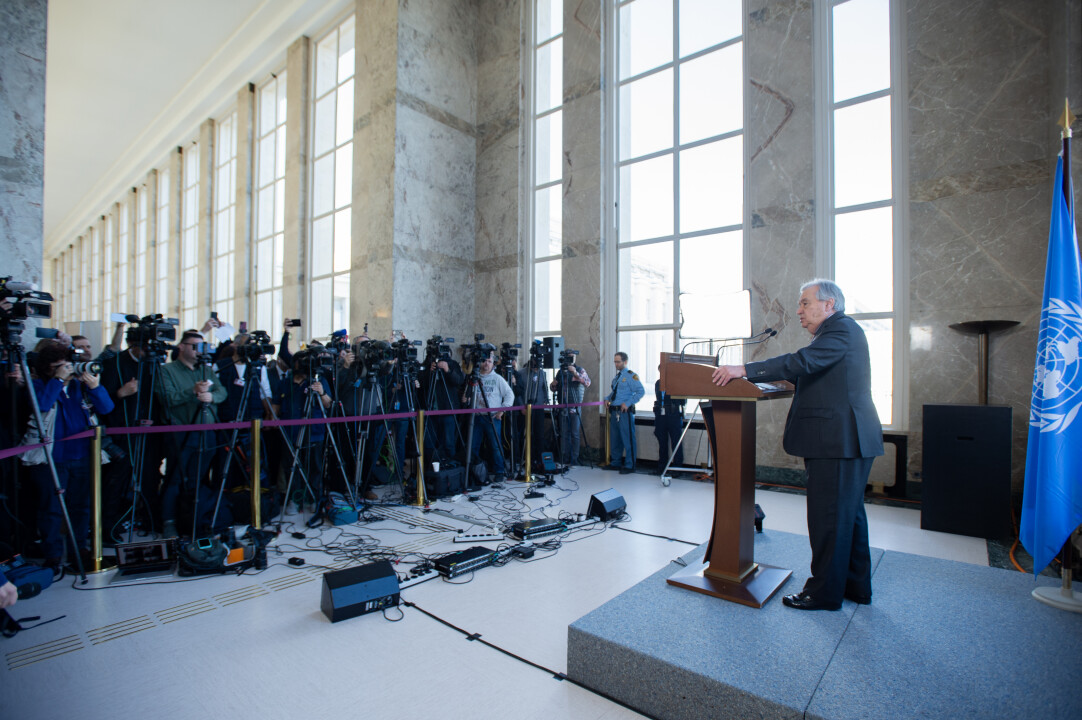
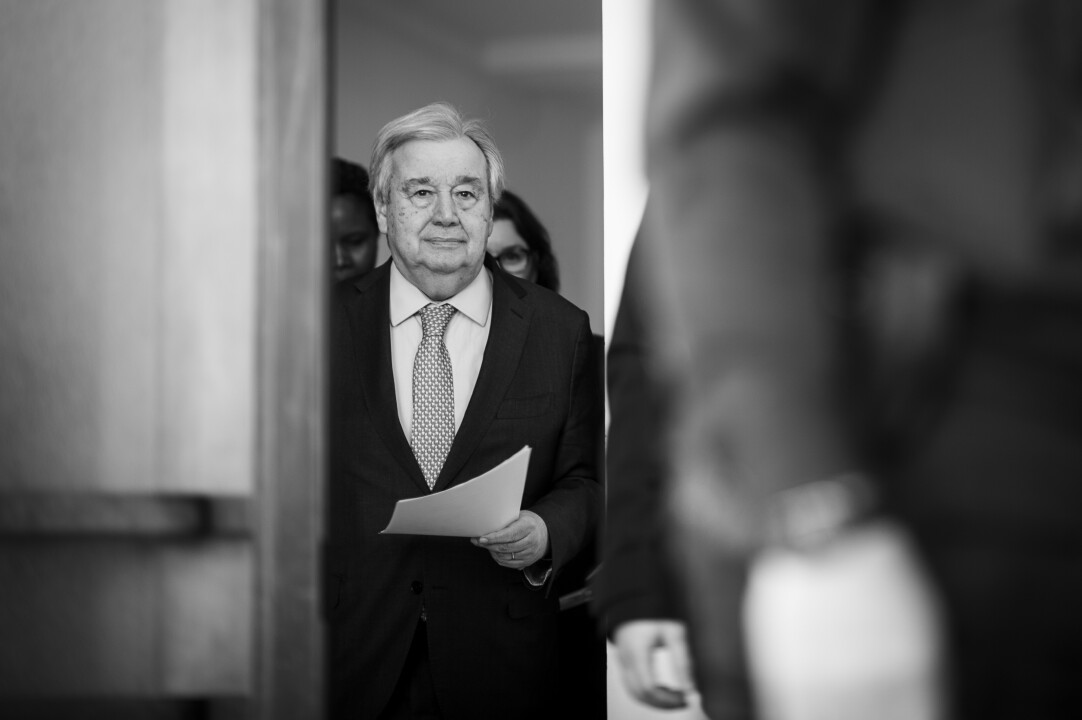
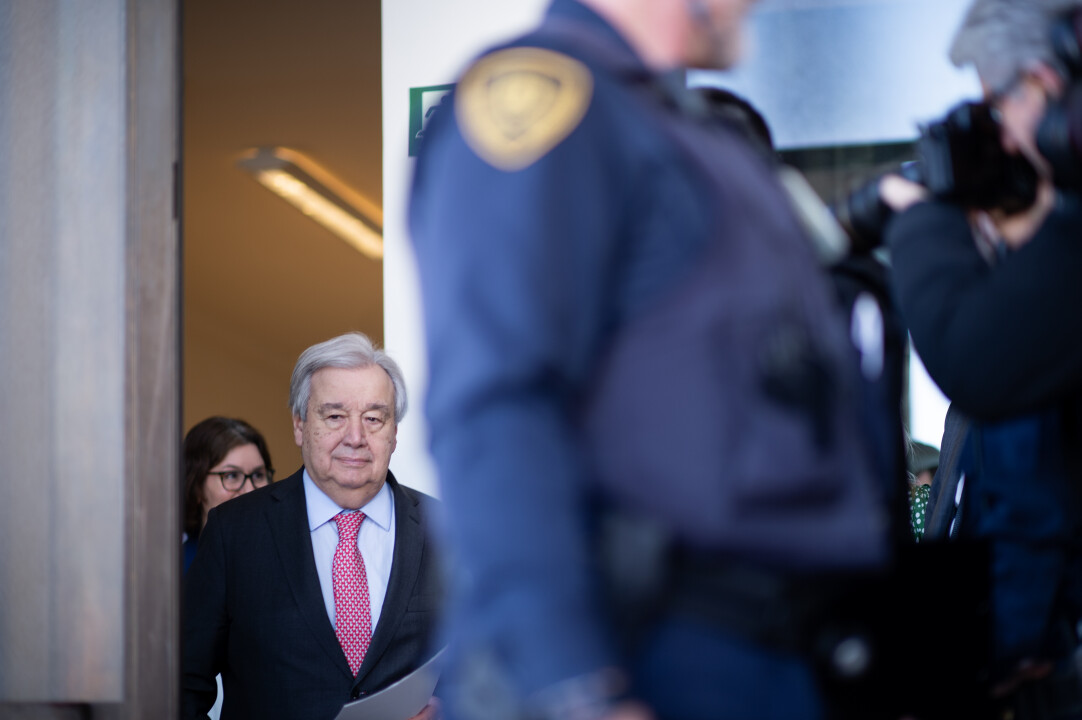
- Medium shot, panning, TV cameras, António Guterres, UN Secretary-General walking to dais, Palais des Nations.
- SOUNDBITE: António Guterres, UN Secretary-General: “From the very start of my mandate, I have been committed to the security and well-being of the Cypriots - the Greek Cypriots and the Turkish Cypriots. And today was another attempt to find a way forward.”
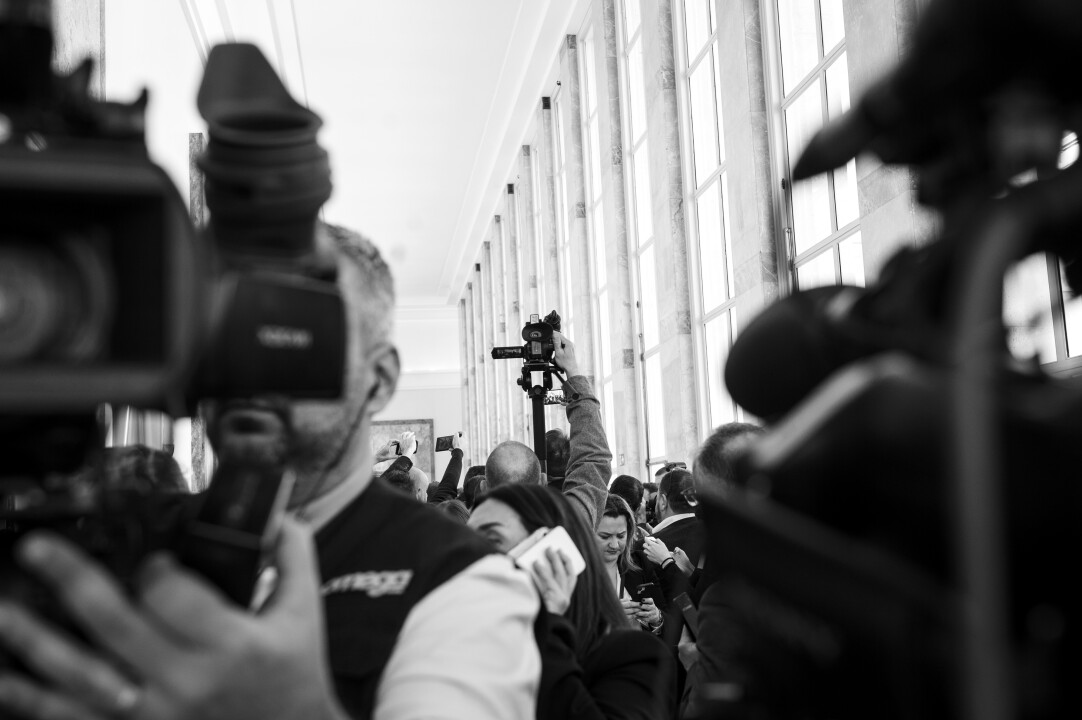
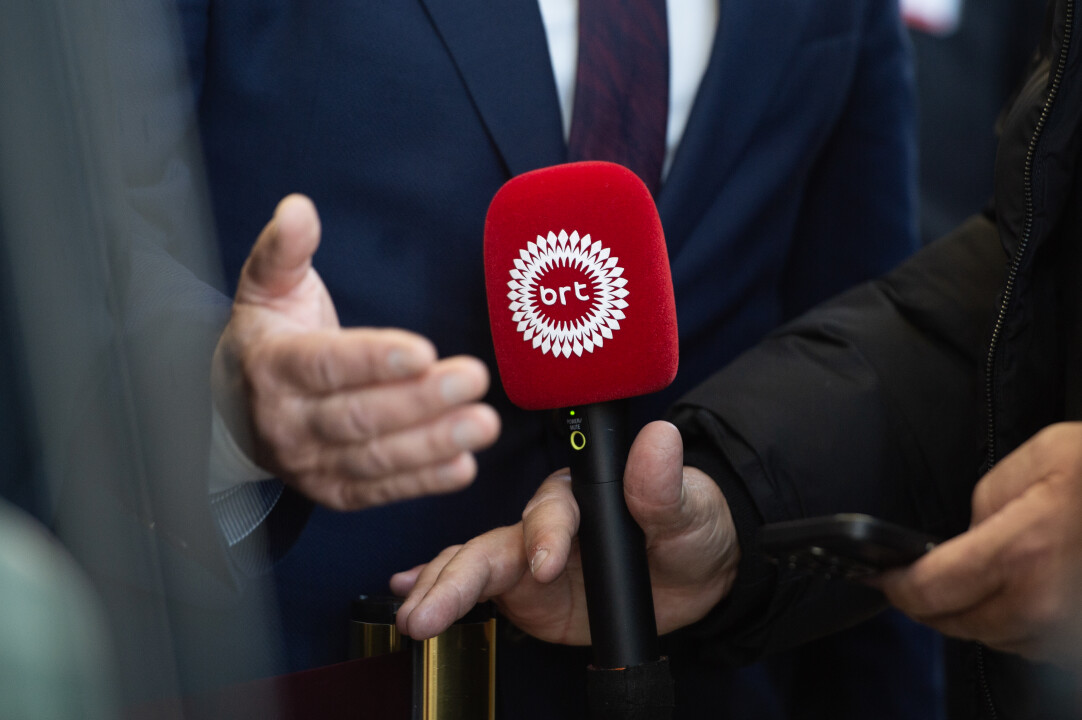
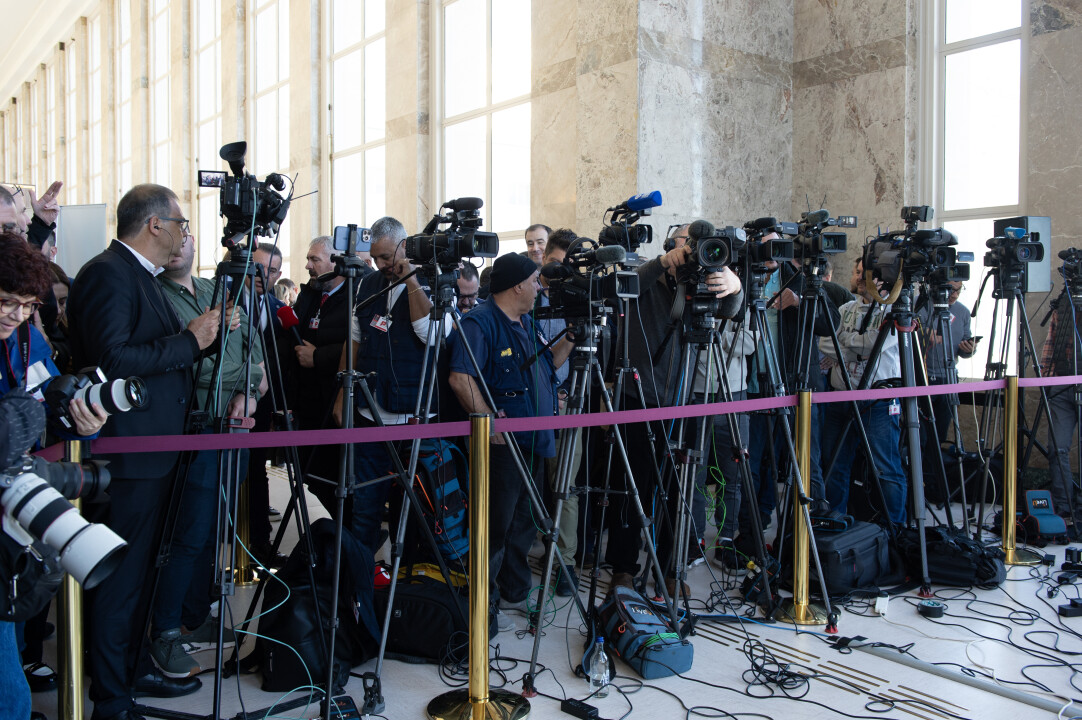
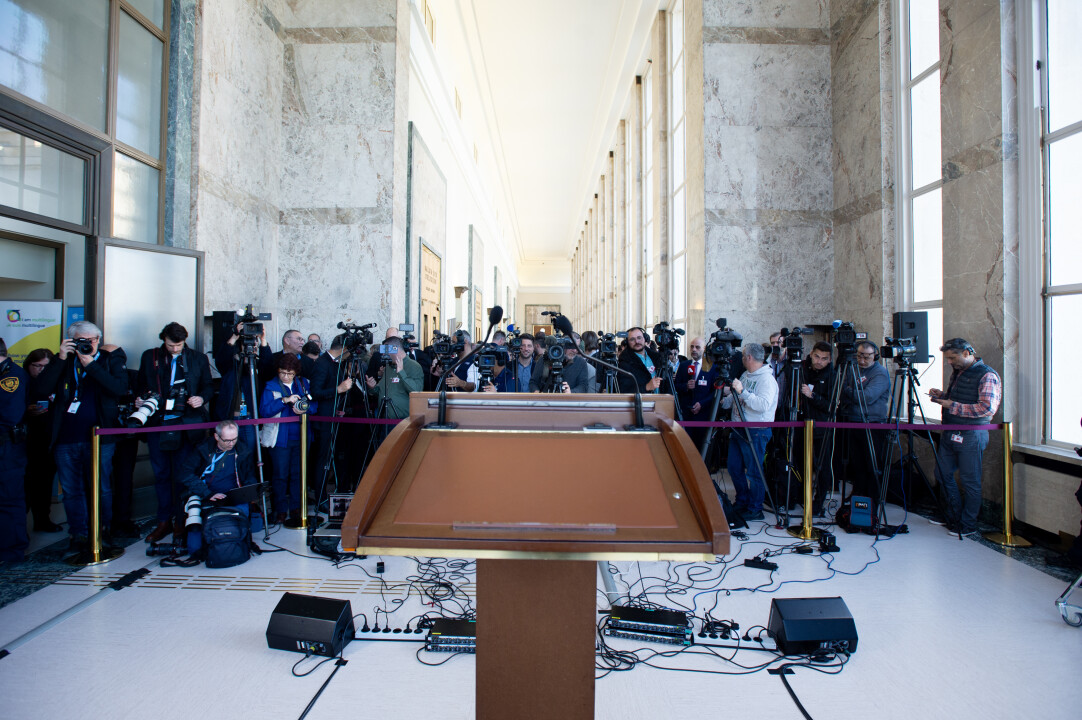
- Medium: TV cameras, journalists, photographers.
- SOUNDBITE: António Guterres, UN Secretary-General: “Mr. Tatar and Mr. Christodoulides have agreed the following group of initiatives to build trust: opening the four crossing points, demining, creation of a technical committee on youth, initiatives on the environment and climate change including the impacts on mining areas; solar energy in the buffer zone and the restoration of cemeteries.”
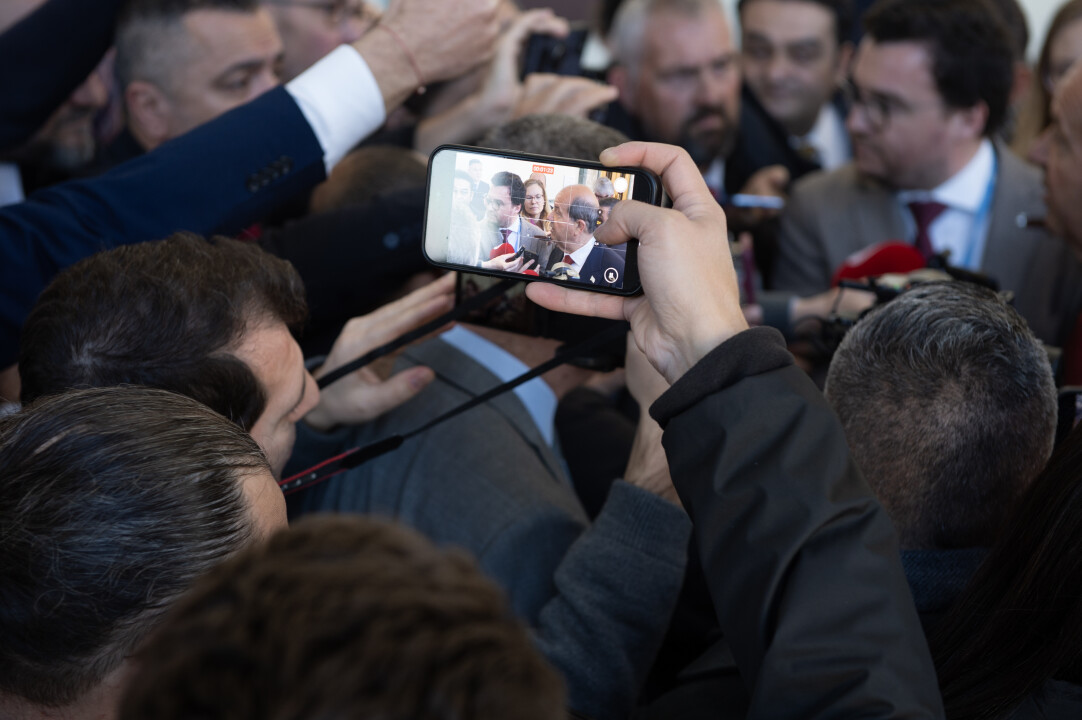
- Close: mobile phone filming Security-General.
- SOUNDBITE: António Guterres, UN Secretary-General: “Today there was meaningful progress. And I hope that the confidence-building measures or the initiatives to build trust, together with the decision to have very soon a next meeting and the acceptance by all of the appointment of a Special Envoy on Cyprus to prepare the next steps, demonstrates the sense of commitment and the sense of urgency that I believe were extremely important. It's a new atmosphere.”
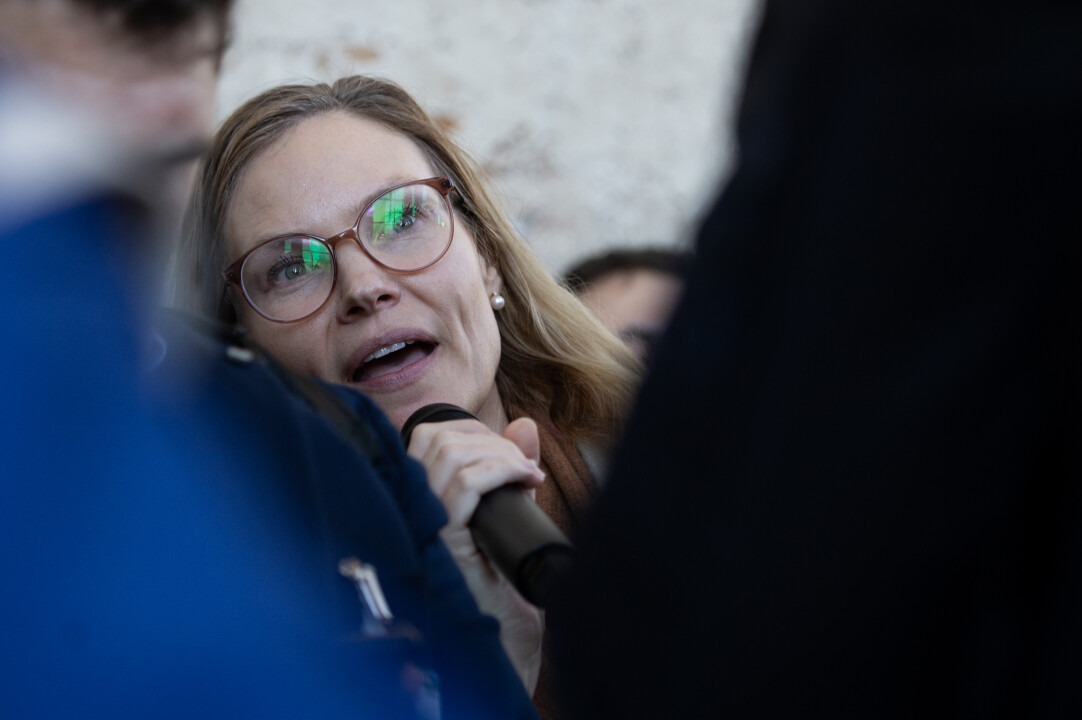
- Medium: Press pack.
- Medium: Press pack.
- Close: journalists, TV cameras.



Similar Stories

1
1
1
Edited News | OCHA , UNICEF , WFP
Aid agencies warned on Friday of the fast-developing humanitarian emergency inside Taiz City in Yemen, which has been encircled by de facto Houthi forces fighting government troops along the country’s west coast.
1
1
1
Press Conferences | UN WOMEN , WFP , WHO
UN WOMEN: Sudan Women and girls one year after the fall of El Fasher; increasing drone attacks across the country; WFP: DRC - Ebola spreads to eighth DRC province as WFP delivers food, builds treatment centres and keeps supplies moving; WHO - Update on Ebola (Bundibugyo Virus Disease)
1
12
1
1
Press Conferences , Images | UNOG
Closing Press Conference following the Sixth Consultative Meeting on Enhancing Coordination of Peace Initiatives and Efforts in Sudan

2
17
1
2
Edited News , Press Conferences , Images | OCHA , WMO
Two UN agencies teamed up on Wednesday to issue an appeal for immediate assistance to help communities already being impacted by the strongest El Niño on record.

3
16
2
2
Edited News , B-roll , Conferences , Images | UNITED NATIONS , UNOG
Sixth Consultative Meeting on Enhancing Coordination of Peace Initiatives and Efforts for Sudan
1
1
1
Press Conferences | CITES
Wildlife trade and conservation policy discussions at the 81st meeting of the CITES Standing Committee (SC81)

1
1
1
Edited News | UNICEF , WHO , UNHCR
Yemen war continues to force families from homes amid hunger and disease
More than 250,000 people have now fled renewed fighting in Yemen, the UN said on Tuesday, citing particular concern for those sheltering in the southwestern city of Taiz and the wider governorate, where access is “essentially blocked”.
1
1
1
Press Conferences | UNHCR , UNCTAD , WMO , OCHA , UNICEF , WHO
UNHCR Hungary’s 1956 Refugee Crisis: 70 Years On, UNCTAD World Investment Forum 2026, Doha, WMO Greenhouse Gas Bulletin and Climate Update for COP31, OCHA Afghanistan: Malnutrition, Girls’ Education and Recovery, UNICEF Yemen: Child Malnutrition and Unsafe Water in Taiz, WHO Inequalities in Noncommunicable Diseases and Risk Factors

1
1
1
Press Conferences | UNHCR
End of UNHCR's 77th Annual Executive Committee (ExCom) meeting week

1
1
1
Edited News | UNICEF
A little over one year since a ceasefire agreement was announced between Hamas fighters and Israel, more than 340 children have been reported killed and hundreds more injured, the UN Children’s Fund, UNICEF, said on Friday.

1
1
1
Press Conferences | UNICEF , IOM , UNHCR
UN Special Assistant to the Personal Envoy Office (SUDAN): Peace Initiatives and Efforts in Sudan; UNICEF: Dire situation of children in Gaza; IOM: Damaged Homes and Energy Attacks Risk Displacing Ukrainians for this winter; UNHCR: update on EXCOM week

1
1
1
Press Conferences | IOM , UNDRR
UN stresses importance of household preparedness for disaster risk reduction.