

The United Nations Office at Geneva
Multimedia Newsroom
Announcements
Santiago Mantorana, for the International Telecommunications Union (ITU), stated that on 17 May, the ITU would celebrate the World Telecommunication and Information Society Day (WTISD) with a spotlight on older persons and healthy ageing. This annual celebration of information and communication technologies marked the founding of ITU and the signing of the first International Telegraph Convention in 1865. Mr. Mantorana explained that WTISD-22 would put the spotlight on digital technologies for older persons and healthy ageing, reflecting a defining demographic trend of the 21st century. The high-level panel would be held at the ITU on 17 May at 1 pm, and accredited media were invited to attend. More information is available here.
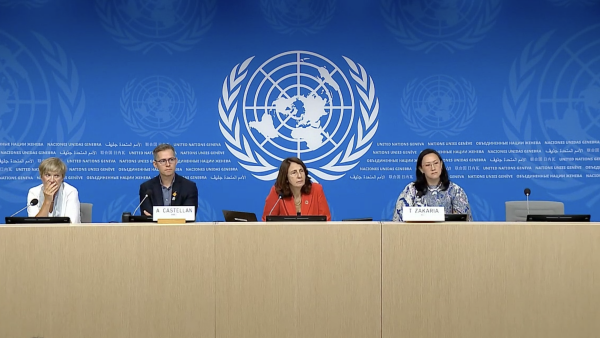
Christian Lindmeier, for the World Health Organization (WHO), informed that an embargoed virtual press conference on the First Global Report on Assistive Technology would be held today at 3:30 pm. This technology referred to any devices that assisted people in their daily lives.
The Health for All Film Festival Awards ceremony 2022 would also be held mainly online today, at 5 pm. Speakers/jurors would include actresses Sharon Stone and Emilia Clarke.
WHO would hold a virtual press briefing ahead of the World Health Assembly on 16 May at 3 pm. Speakers would be: Peter Singer, Special Adviser to Dr. Tedros; Steven Sullivan, WHO Legal Adviser; and Timothy Armstrong, Director, Department of Governing Bodies at WHO.
Speaking for the World Trade Organization (WTO), Ms. Vellucci informed that members of the media who had not already been accredited and who wished to attend the WTO 12th Ministerial Conference, taking place in Geneva from 12 to 15 June, could now apply for accreditation. The deadline for receiving applications would be 18 May 2022 at 6 pm Geneva time. Journalists and media representatives who had been accredited last year and had confirmed their wish to keep their accreditation were not required to re-apply. They would have already received an e-mail from the WTO confirming their accreditation status. The main Press Centre would be located on the gallery level of the WTO new building, with approximately 160 workstations.
Regarding the killing of the Al Jazeera journalist Shireen Abu Akleh in Jenin, Ms. Vellucci said that the Spokesperson of the Secretary-General had spoken on this issue, and the latest remarks from the 12 May noon press briefing were available here.
Ms. Vellucci further informed that on 17 May at 9:15 am, there would be a hybrid launch of the report “Unprecedented and Unfinished: Covid-19 and Implications for National and Global Policy”. Speakers in Room B-128 would be: Peter Gluckman, President, International Science Council; Mami Mizutori, Special Representative of the United Nations Secretary-General for Disaster Risk Reduction; Soumya Swaminathan, Chief Scientist, World Health Organization; and Mathieu Denis, Acting CEO and Science Director, International Science Council; while Salim Abdool Karim, Vice President, International Science Council, would connect by Zoom.
On 17 May at 12:30 pm, UN Women would hold a hybrid press conference on Gender Dynamics in Humanitarian Crises: Lessons learned from the Rapid Gender Analyses of Ukraine and Moldova. Speakers would be: Erika Kvapilova, UN Women Representative Ukraine; Delphine Pinault, CARE Humanitarian Policy Advocacy Coordinator & UN Representative in Geneva; and Dominika Stojanoska UN Women Representative Moldova.
Finally, on 18 May at 10 am, there would be a hybrid press conference on the State of the Global Climate in 2021, with speakers Petteri Taalas, WMO Secretary-General, and Omar Baddour, Head, Climate Monitoring Division at WMO.
Ms. Vellucci informed that the Committee on the Rights of the Child was concluding this morning its review of the report of Djibouti.
The Committee Against Torture was concluding this morning its 73rd session and would issue its concluding observations on the six countries whose reports had been reviewed during this session: Iceland, Cuba, Iraq, Montenegro, Kenya, Uruguay.
The Conference on Disarmament would hold on 19 May the first public meeting of the second part of its 2022 session, still under the presidency of Ambassador Juan Antonio Quintanilla Román of Cuba. This second part of the session would run until 1 July.
On 14 May, the world community marked the World Migratory Bird Day, the spotlight of which would be on light pollution and how it was affecting migratory birds. There would be events around the world to dim the lights.
At the end of the briefing, Ms. Vellucci informed that UN Information Service would host a global meeting of heads of UN Information Centers from around the world, with the generous support of the Swiss Government.
Similar Stories

1
1
1
Statements , Press Conferences | OHCHR

1
1
1
Press Conferences | UNHCR , UNICEF , IFRC , OHCHR , UN WOMEN , IOM , OCHA , WHO
UNHCR – ExCom Meeting, UNICEF – Nepal Recovery, IFRC – Flash Floods, WHO – Mental Health, IOM – South Sudan Floods, OCHA – DRC Humanitarian aid, UNHCR – Sahel Displacement, UNICEF – Yemen Update, IOM – Gaza Shelter, UN Women – Gaza Women, OHCHR – Arrests and detentions of Syrians by Israeli force

2
1
2
Press Conferences | UNCTAD
Presentation of the Trade and Developement Report 2026
Embargoed until 9 October 2026 at 11 a.m. (Geneva Time)
UNCTAD: UNCTAD’s flagship report finds that governments increasingly use industrial, trade, financial and technology policies to pursue economic and national security objectives. Market access and the ability to move into higher-value activities now depend more heavily on technology, finance and geopolitics.

1
1
1
Press Conferences | UPU
Release of the State of the Postal Sector Report 2026
1
1
1
Press Conferences | IOM , ITU , UNECE , UNICEF , WHO , WMO
UNICEF: Ebola, DRC - children orphans or separating them from parents and caregivers; IOM: Humanitarian needs in Djibouti amid arrivals from Yemen and increased migrant movements; WHO: Darfur, scale of health needs far exceeds available resources; WMO co-sponsored Global Heat Forum, Bangkok, monthly Global Seasonal Climate Update; UNECE: UN Forum of Mayors; ITU Plenipotentiary Conference 2026; WHO: child and adolescent obesity guidelines and new global roadmap to tackle pregnancy hypertension, a leading cause of maternal mortality
1
1
1
Press Conferences | OCHA , UN WOMEN , UNHCR , WFP , WHO , WTO , UNEP
OCHA – $160M CERF allocation to 12 underfunded crises; UNHCR – 5.8M refugee children remain out of school amid funding cuts; UN Women – Middle East escalation and food security among women/girls; WHO – Gaza supplies and overall situation; WFP – Yemen food insecurity and impact on global hunger ; UNEP - First International Conference of the Global Framework on Chemicals in Geneva | 16-20 November 2026
1
1
1
Press Conferences | UNHCR , WHO
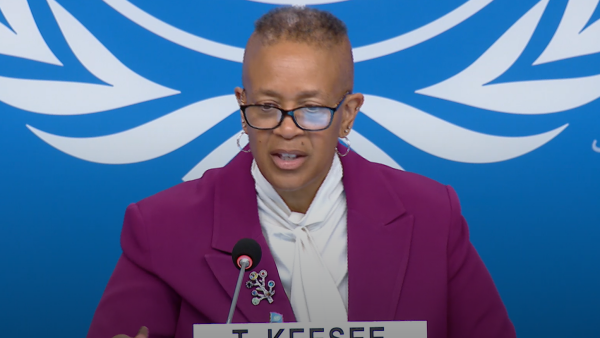
Yemen's health system nears collapse amid conflict, causing rising casualties and medicine shortages.
1
1
1
Press Conferences | HRC
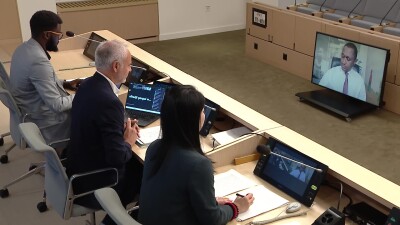
Update by the Expert Mechanism to Advance Racial Justice and Equality in Law Enforcement
1
1
1
Press Conferences | WIPO , WHO , UNICEF , UNHCR , IOM , WFP , FAO
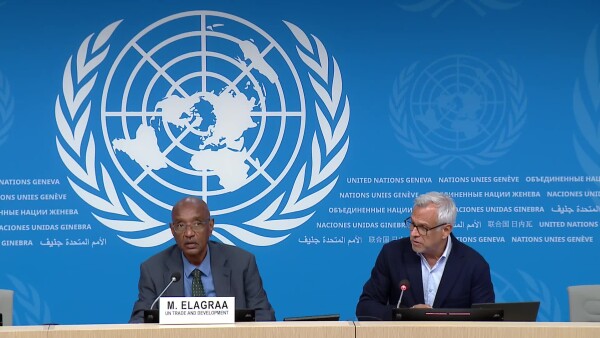
WIPO Global Innovation Index 2026 launch and press conference, WHO Composition of influenza vaccines for the 2027 Southern Hemisphere flu season, UNICEF Yemen hunger and malnutrition; UNHCR Sudan displacement into Chad; IOM Ebola and population movements in DRC; WFP emergency food assistance in Nepal; and FAO food loss and waste.
2
1
2
Press Conferences | UNCTAD
Gaza reconstruction needs reach $71.5 billion as Palestinian economy and public finances face severe strain. Latest UNCTAD report documents the loss of decades of development gains, economic collapse in Gaza and tightening economic constraints in the West Bank.
The report identifies three immediate priorities: transferring withheld Palestinian revenues, safeguarding the banking system and aligning reconstruction support with the documented scale of damage and economic losses.
1
1
1
Press Conferences | HRC
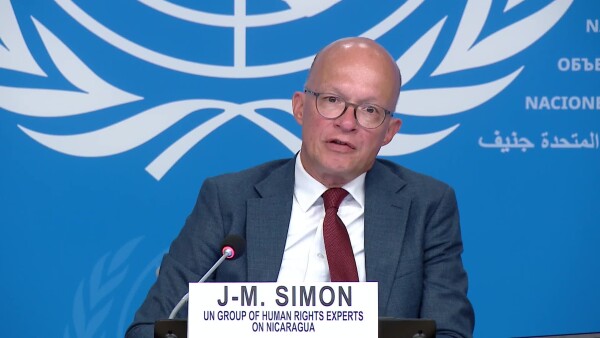
Press conference on the situation of human rights in Nicaragua by the UN Group of Human Rights Experts
1
1
1
Press Conferences | ITU , UNHCR , WHO , WMO
YEMEN - UNHCR: Escalating conflict in Yemen could fuel more displacement, refugee movement
CLIMATE - WHO / WMO: Health and Climate impact of El Niño