

The United Nations Office at Geneva
Multimedia Newsroom
مؤتمر صحفي من قبل خدمة المعلومات التابعة للأمم المتحدة
19 يناير 2024
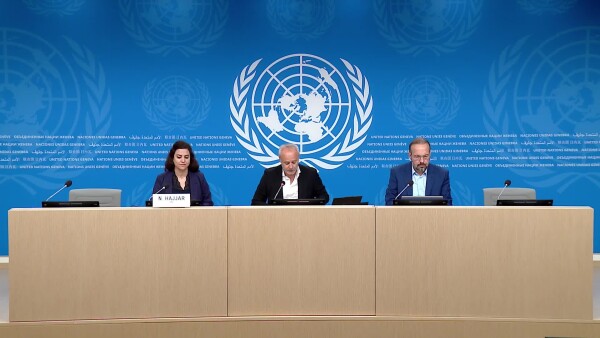
رأست السيدة أليساندرا فيلوتشي، مديرة خدمة المعلومات التابعة للأمم المتحدة في جنيف، مؤتمرًا هجينًا حضره المتحدثون وممثلون عن مكتب تنسيق الشؤون الإنسانية، ومكتب المفوض السامي لحقوق الإنسان، ومنظمة الصحة العالمية، وصندوق الأمم المتحدة للطفولة، ومنظمة الأرصاد الجوية العالمية.
الوضع في غزة
صرّح أجيث سونغاي، ممثل مكتب المفوض السامي لحقوق الإنسان (OHCHR) في الأراضي الفلسطينية المحتلة، من غزة، بأنه تم الوصول إلى معلم مذهل آخر في غزة، حيث تم الإبلاغ عن مقتل ما يقرب من 25,000 شخص، معظمهم من النساء والأطفال. في رفح منذ 15 يناير، شهد السيد سونغاي وصول الناس من مختلف الأماكن بآلافهم، في حالات يائسة، وإقامة مأوى مؤقتة باستخدام أي مواد يمكنهم الحصول عليها. إنه أزمة إنسانية هائلة، ومن الضروري الآن توسيع المساعدات الإنسانية بشكل كبير. استمر الانقطاع في الاتصالات منذ 12 يناير، مما ساهم في الخوف والارتباك. كانت القصف في وسط غزة وخان يونس مسموعة في رفح. تمكن السيد سونغاي من لقاء عدد من الأسرى الفلسطينيين المفرج عنهم. وصف البعض منهم الذين تم احتجازهم من قبل قوات الأمن الإسرائيلية بأنهم تم تعريتهم لفترات طويلة، وتعرضوا للضرب، وربما تعرضوا لما يمكن أن يعادل التعذيب. ووجد أن بعض الرجال المفرج عنهم يرتدون حفاضات فقط ولا يوجد لديهم ملابس كافية. لم يتم تزويد أسرى الأسرى، الذين يعتقد أنهم يبلغون الآلاف، بأي معلومات حول مصيرهم. صرّح السيد سونغاي بأنه يجب على إسرائيل ضمان معاملة جميع المحتجزين وفقًا للمعايير الدولية. يجب أن يتم توجيه الاتهامات إلى جميع المحتجزين أو إطلاق سراحهم، ما لم تستطيع إسرائيل إظهار ضرورات أمنية ملحة للحفاظ على كل محتجز. كان من الضروري الحصول على مسؤولية عن التعذيب وسوء المعاملة المزعومة. كان من الضروري بشكل عاجل الحصول على وقف لإطلاق النار الإنساني، ويجب أن يتم إطلاق سراح جميع الرهائن دون تأخير، أكد السيد سونغاي.
صرّحت تيس إنغرام، عن صندوق الأمم المتحدة للطفولة (UNICEF)، من عمان، بأنه تم ولادة ما يقرب من 20,000 طفل في غزة خلال أكثر من 105 يومًا من الصراع، مما يعني ولادة طفل واحد في كل عشر دقائق في رعب. بعد قضاء أسبوع في غزة، قدمت السيدة إنغرام أمثلة على الأمهات الجديدات، بعضهن فقدن أطفالهن، والبعض الآخر يعاني من إصابات خطيرة أو أمراض. تحدثت عن ممرضة قامت بإجراء العديد من العمليات القيصرية على نساء ميتات في الأسابيع الأخيرة. تم تفاقم الوضع الهش بالفعل للأمهات والأطفال الرضع بسبب العدوان؛ تم الإبلاغ عن مزيد من الإجهاضات من المعتاد، بسبب القصف والهواء غير الصحي والدخان المرتبط به. كان مستشفى الإماراتي في رفح يعتني الآن بمعظم النساء الحوامل في غزة وكان مكتظًا؛ كان يتعين إطلاق سراح الأمهات الجديدات بعد ساعات من إجراء قيصري. كان هناك 135,000 طفل تحت سن السنتين في خطر شديد من سوء التغذية. في شمال غزة، كان الوضع أسوأ حتى، أكدت السيدة إنغرام. في الوقت الذي قدمت فيه السيدة إنغرام بيانها، كان من المحتمل أن يتم ولادة طفل آخر في غزة في ظروف مروعة. كانت الأمهات والرضع في قطاع غزة بحاجة إلى وقف إطلاق نار إنساني الآن.
ذكرت أليساندرا فيلوتشي، عن خدمة المعلومات التابعة للأمم المتحدة (UNIS)، بيان اليوم السابق من قبل فيليب لازاريني، المفوض العام للأونروا، الذي أكمل زيارته الرابعة لغزة منذ بدء الحرب.
في استجابة لسؤال، صرّحت السيدة إنغرام، عن UNICEF، بأنه من الصعب تحديد معدل وفيات الرضع بالضبط في الوقت الحالي، بسبب الظروف الصعبة والوصول المحدود. ما هو مؤكد هو أن الرضع يموتون جوعًا ومرضًا وبردًا وقصفًا، وليس لديهم وصول إلى مساعدات كافية. في سؤال آخر، صرّح السيد سونغاي، عن OHCHR، بأنه من المستحيل تحديد عدد دقيق من الفلسطينيين المحتجزين حاليًا، ولكن هذا العدد بالتأكيد في الآلاف. ادعى معظم المحتجزين المفرج عنهم أنهم تم نقلهم أيضًا إلى مراكز احتجاز في إسرائيل، ولكن نظرًا لأنهم كانوا معظمهم معصوبي العينين، كان من الصعب معرفة مكان تلك المواقع بالضبط. أبلغ السيد سونغاي بأن هناك ما لا يقل عن 4,700 فلسطيني من الضفة الغربية كانوا محتجزين، أعلى عدد مسجل على الإطلاق. كانت ظروف الاحتجاز مروعة، سواء كانوا المحتجزون من الضفة الغربية أو غزة، صرّح. تم تصنيف المحتجزين بشكل مختلف استنادًا إلى ملفاتهم؛ بعضهم خضعوا للاستجوابات والبعض الآخر لم يفعلوا. أكدت رافينا شامداساني، أيضًا عن OHCHR، أن مكتبها مستمر في التعامل مع السلطات الإسرائيلية. صرّحت بأن OHCHR قد طرحت مرارًا مسألة سوء معاملة الفلسطينيين المحتجزين أمام السلطات الإسرائيلية، بما في ذلك قبل 7 أكتوبر 2023. أكدت أن الأمم المتحدة تدعو إلى حل دائم لهذا الصراع الطويل الأمد. في استجابة لأسئلة حول إعلان إسرائيل ضد الحل الثنائي، كانت الأمم المتحدة مؤيدة بالكامل لذلك. أضافت السيدة فيلوتشي، عن UNIS، أن دعم الأمين العام للحل الثنائي لم يتغير.
صرّحت السيدة إنغرام، عن UNICEF، في استجابة لسؤال آخر، بأن UNICEF كانت تقدم اللوازم الطبية، بما في ذلك اللوازم التوليدية والتخديرات، ولوازم التغذية للنساء الحوامل وصيغة الرضاعة الطبيعية الجاهزة. كانت UNICEF تعمل مع الشركاء المنفذين على الأرض لتقديم المساعدات مباشرة إلى المجتمعات المحلية. أبلغت السيدة شامداساني بأن المفوض السامي لحقوق الإنسان لم يكن لديه تواصل مباشر مع رئيس الوزراء الإسرائيلي؛ تم طلب وصوله إلى إسرائيل والأراضي الفلسطينية المحتلة. صرّحت بأن المفوض السامي كان يتابع عن كثب الإجراءات المتعلقة بادعاءات الإبادة الجماعية في المحكمة الدولية وكان يتطلع إلى نتيجة العملية.
في استجابة لسؤال من وسائل الإعلام، صرّح تاريك جاشاريفيتش، عن منظمة الصحة العالمية (WHO)، بأن الدكتور تيدروس قد تحدث في اليوم السابق عن التهاب الكبد A بين الأطفال في غزة، والذي، على الرغم من أنه مرض خفيف، يظهر كيف كانت الظروف المعيشية سيئة، بما في ذلك نقص المياه النظيفة والصرف الصحي. منذ منتصف أكتوبر 2023، تم الإبلاغ عن 223,600 حالة من الالتهابات التنفسية العليا في ملاجئ النازحين، 158,300 حالة من الإسهال، بما في ذلك 84,000 حالة بين الأطفال دون سن الخمس سنوات، 68,700 حالة من القمل والجرب، 6,600 حالة من الحصبة، و 44,550 حالة من الطفح الجلدي، بين أمور أخرى. كان عدد حالات الإسهال بين الأطفال دون سن الخمس سنوات المسجلة خلال الثلاثة أشهر الأخيرة من عام 2023 26 مرة أعلى من التقارير من نفس الفترة في عام 2022. كان يجب دعم وإعادة بناء النظام الصحي والمراقبة، أكد السيد جاشاريفيتش. كان هناك حاجة ملحة إلى وقف إطلاق نار.
مشروع قانون مكافحة الإرهاب في سريلانكا
صرّحت رافينا شامداساني، عن مكتب المفوض السامي لحقوق الإنسان (OHCHR)، بأن المكتب كان قلقًا بشك
Similar Stories
1
12
1
1
Press Conferences | UNOG
Closing Press Conference following the Sixth Consultative Meeting on Enhancing Coordination of Peace Initiatives and Efforts in Sudan
2
17
1
2
Edited News , Press Conferences | OCHA , WMO
Two UN agencies teamed up on Wednesday to issue an appeal for immediate assistance to help communities already being impacted by the strongest El Niño on record.
1
1
1
Press Conferences | CITES
Wildlife trade and conservation policy discussions at the 81st meeting of the CITES Standing Committee (SC81)
1
1
1
Press Conferences | UNHCR , UNCTAD , WMO , OCHA , UNICEF , WHO
UNHCR Hungary’s 1956 Refugee Crisis: 70 Years On, UNCTAD World Investment Forum 2026, Doha, WMO Greenhouse Gas Bulletin and Climate Update for COP31, OCHA Afghanistan: Malnutrition, Girls’ Education and Recovery, UNICEF Yemen: Child Malnutrition and Unsafe Water in Taiz, WHO Inequalities in Noncommunicable Diseases and Risk Factors
1
1
1
Press Conferences | UNHCR
End of UNHCR's 77th Annual Executive Committee (ExCom) meeting week
1
1
1
Press Conferences | UNICEF , IOM , UNHCR
UN Special Assistant to the Personal Envoy Office (SUDAN): Peace Initiatives and Efforts in Sudan; UNICEF: Dire situation of children in Gaza; IOM: Damaged Homes and Energy Attacks Risk Displacing Ukrainians for this winter; UNHCR: update on EXCOM week

1
1
1
Press Conferences | IOM , UNDRR
UN stresses importance of household preparedness for disaster risk reduction.
1
1
1
Statements , Press Conferences | OHCHR
1
1
1
Press Conferences | UNHCR , UNICEF , IFRC , OHCHR , UN WOMEN , IOM , OCHA , WHO
UNHCR – ExCom Meeting, UNICEF – Nepal Recovery, IFRC – Flash Floods, WHO – Mental Health, IOM – South Sudan Floods, OCHA – DRC Humanitarian aid, UNHCR – Sahel Displacement, UNICEF – Yemen Update, IOM – Gaza Shelter, UN Women – Gaza Women, OHCHR – Arrests and detentions of Syrians by Israeli force
2
1
2
Press Conferences | UNCTAD
Presentation of the Trade and Developement Report 2026
Embargoed until 9 October 2026 at 11 a.m. (Geneva Time)
UNCTAD: UNCTAD’s flagship report finds that governments increasingly use industrial, trade, financial and technology policies to pursue economic and national security objectives. Market access and the ability to move into higher-value activities now depend more heavily on technology, finance and geopolitics.
1
1
1
Press Conferences | UPU
Release of the State of the Postal Sector Report 2026
1
1
1
Press Conferences | IOM , ITU , UNECE , UNICEF , WHO , WMO
UNICEF: Ebola, DRC - children orphans or separating them from parents and caregivers; IOM: Humanitarian needs in Djibouti amid arrivals from Yemen and increased migrant movements; WHO: Darfur, scale of health needs far exceeds available resources; WMO co-sponsored Global Heat Forum, Bangkok, monthly Global Seasonal Climate Update; UNECE: UN Forum of Mayors; ITU Plenipotentiary Conference 2026; WHO: child and adolescent obesity guidelines and new global roadmap to tackle pregnancy hypertension, a leading cause of maternal mortality