

The United Nations Office at Geneva
Multimedia Newsroom
Edited News , Press Conferences | WHO
أوكرانيا: الشتاء الثاني في ظل الحرب وتحديات النظام الصحي - منظمة الصحة العالمية
حتى لو انتهت الحرب الآن، فإن احتياجات الصحة لملايين الأوكرانيين ستكون مرتفعة ومتزايدة: منظمة الصحة العالمية
مع دخول الحرب في أوكرانيا شتاءها الثاني الكامل، حذرت وكالة الصحة التابعة للأمم المتحدة من أن الأشهر القادمة قد تكون باردة وقاسية وطويلة بالنسبة للأوكرانيين الضعفاء.
“نرى العبء المتزايد للأمراض، لذا حتى لو انتهت الحرب اليوم، فإن احتياجات الصحة لملايين الأشخاص في جميع أنحاء البلاد ستكون مرتفعة ومتزايدة”، قال الدكتور يارنو هابيتش من منظمة الصحة العالمية للصحفيين في جنيف.
وسط الهجوم المضاد المستمر في أوكرانيا رداً على الغزو الروسي الشامل في 24 فبراير 2022، يُقال إن الحملة أصبحت واحدة من المكاسب التدريجية فقط.
متحدثاً من أوديسا، سلط ممثل منظمة الصحة العالمية في أوكرانيا الضوء على المستوى العالي من الاضطراب في النظام الصحي.
تم تنفيذ أكثر من 2,400 هجوم موثق ضد المرافق الصحية منذ ما يسمى بالعملية العسكرية الخاصة لروسيا، مما أدى إلى العديد من الضحايا المدنيين، وفقاً لمنظمة الصحة العالمية.
هذا ترك العديد من المرافق الصحية تعمل جزئياً فقط في الشرق والجنوب من البلاد حيث الاحتياجات هي الأعلى.
من بينهم، تؤثر الأمراض النفسية على أكثر من 10 ملايين شخص. “يمكن أن تتراوح من الإجهاد البسيط، القلق إلى الاحتياجات العالية الأخرى التي من الضروري اللجوء فيها إلى الرعاية الأولية والمستشفيات”، قال الدكتور هابيتش. “ما نقوم به هو ضمان توفر مواد التدريب للأشخاص، مثل أدوات المساعدة الذاتية (عبر الإنترنت)”، أوضح المسؤول في منظمة الصحة العالمية.
أكثر من 55,000 عامل في الرعاية الصحية الأولية مدربون للتعامل مع قضايا الصحة النفسية ولكن الاحتياجات ستكون طويلة الأمد للعديد من الأجيال، قال.
الأطفال وكبار السن يعانون بشكل خاص ويكافحون مع وصول الشتاء واستمرار القتال. منذ 24 فبراير 2022، قامت منظمة الصحة العالمية بتسليم أكثر من 4,000 طن متري من الإمدادات الطبية المنقذة للحياة إلى أوكرانيا، بما في ذلك مولدات الطاقة، سيارات الإسعاف، الأكسجين والأدوية.
من المتوقع أن تستمر القائمة الطويلة من المتطلبات في العام المقبل على نفس المستوى.
تقيّم وكالة الصحة التابعة للأمم المتحدة والشركاء أن 7.8 مليون شخص سيحتاجون إلى الدعم الإنساني في عام 2024. من هذا العدد، تهدف المجتمع الإنساني إلى استهداف 3.8 مليون من الأكثر ضعفاً. “هذا شيء يجب أن نضع كل جهودنا للوصول إلى جميع هؤلاء المدنيين”، أكد الدكتور يارنو هابيتش.
على نحو أكثر إيجابية، سلط المسؤول في منظمة الصحة العالمية الضوء على أن نظام الصحة العامة في أوكرانيا لا يزال يعمل، لا سيما في مكافحة تفشي شلل الأطفال بنجاح في عام 2023.
كما تبنت أوكرانيا قانون صحة عامة جديد لتحسين المرونة، إلى جانب تعزيز المراقبة المجتمعية للعدوى، وضمان أن يتعامل المتخصصون في الرعاية الصحية مع جميع عوامل الخطر بما في ذلك الأمراض غير المعدية.
كما ترى مجتمع الصحة العامة عملية الانضمام إلى الاتحاد الأوروبي كفرصة لتحويل بنية الرعاية التحتية في أوكرانيا بشكل أكبر، أصر الدكتور هابيتش. “لدينا مراقبة أمراض أكثر تنسيقاً مع دول الاتحاد الأوروبي، وهذا مهم جداً للصحة العامة وأيضاً لتبادل المعلومات.”
الانضمام إلى الاتحاد الأوروبي سيوحد أيضاً التعليم الطبي للممرضين والأطباء، وكذلك معايير الصرف الصحي للمياه، تابع المسؤول في منظمة الصحة العالمية. ومع ذلك، ستستغرق هذه التغييرات وقتاً حيث وافق الاتحاد الأوروبي فقط في 14 ديسمبر على المضي قدماً في محادثات العضوية.
النهاية
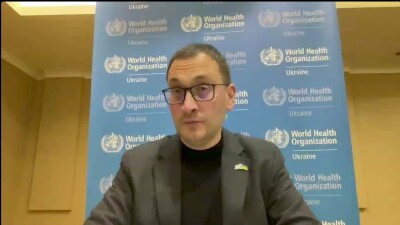
المتحدث: الدكتور جارنو هابيتش، ممثل منظمة الصحة العالمية في أوكرانيا، يتحدث من أوديسا، أوكرانيا.
المدة: 01'49"”
المصدر: UNTV CH
اللغة: الإنجليزية
نسبة العرض إلى الارتفاع: 16:9
تاريخ البث: 19 ديسمبر 2023 - جنيف، سويسرا
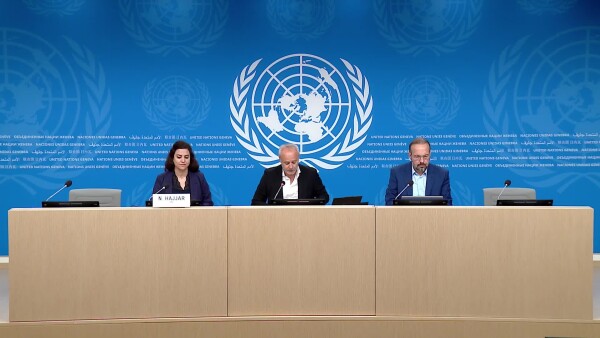
مؤتمر صحفي لمنظمة الصحة العالمية في جنيف
قائمة اللقطات
- لقطة واسعة: راية الأمم المتحدة في ساحة الأمم المتحدة في جنيف.
- لقطة منفصلة: لقطة واسعة، غرفة الصحافة في الأمم المتحدة في جنيف.
- تصريح صوتي (بالإنجليزية) الدكتور جارنو هابيتش، ممثل منظمة الصحة العالمية في أوكرانيا: “نرى زيادة في عبء الأمراض. لذا، حتى لو انتهت الحرب اليوم، ستكون احتياجات الصحة للناس، الملايين من الناس في جميع أنحاء أوكرانيا، مرتفعة ومتزايدة.”
- لقطة منفصلة: لقطة واسعة، غرفة الصحافة في الأمم المتحدة في جنيف.
- تصريح صوتي (بالإنجليزية) الدكتور جارنو هابيتش، ممثل منظمة الصحة العالمية في أوكرانيا: “لدينا أكثر من 10 ملايين شخص بحاجة إلى الرعاية الصحية النفسية. يمكن أن تتراوح هذه الاحتياجات بين الإجهاد البسيط والقلق إلى الاحتياجات عالية المستوى الأخرى التي تتطلب التوجه إلى الرعاية الأولية والمستشفيات. ما قمنا به هو ضمان توفر مواد التدريب للأشخاص مثل أدوات المساعدة الذاتية بالإضافة إلى ذلك.”
- لقطة منفصلة: لقطة مقربة لصحفي، الأمم المتحدة في جنيف.
- تصريح صوتي (بالإنجليزية) الدكتور جارنو هابيتش، ممثل منظمة الصحة العالمية في أوكرانيا: “قدرنا احتياجات الناس العام المقبل، في عام 2024، بـ 7.8 مليون شخص. ونحن، كمجتمع إنساني يعمل في مجال الصحة وبتنسيق منظمة الصحة العالمية، نستهدف 3.8 مليون شخص. وهذا شيء يتطلب منا بذل كل جهودنا للوصول إلى جميع تلك الأشخاص، الكثير منهم من كبار السن والأطفال.”
- لقطة منفصلة: لقطة واسعة، غرفة الصحافة مع الصحفيين، الأمم المتحدة في جنيف.
- تصريح صوتي (بالإنجليزية) الدكتور جارنو هابيتش، ممثل منظمة الصحة العالمية في أوكرانيا: “لدينا مراقبة موحدة للأمراض معًا داخل دول الاتحاد الأوروبي، وهذا أمر مهم للصحة العامة وكذلك تبادل المعلومات.”
- لقطات متنوعة من غرفة المؤتمرات الصحفية، الأمم المتحدة في جنيف.
Similar Stories
1
1
1
Press Conferences | WMO , UNHCR , WHO , ILO
WMO: Greenhouse Gas Bulletin; UNHCR: As attacks intensify UNHCR urges support for war ravaged Ukrainians; WHO: Clinical trials in DRC: vaccines and beyond; ILO: New global and regional estimates on domestic work, informality and working conditions

1
1
1
Edited News | OCHA , UNICEF , WFP
Aid agencies warned on Friday of the fast-developing humanitarian emergency inside Taiz City in Yemen, which has been encircled by de facto Houthi forces fighting government troops along the country’s west coast.
1
1
1
Press Conferences | UN WOMEN , WFP , WHO
UN WOMEN: Sudan Women and girls one year after the fall of El Fasher; increasing drone attacks across the country; WFP: DRC - Ebola spreads to eighth DRC province as WFP delivers food, builds treatment centres and keeps supplies moving; WHO - Update on Ebola (Bundibugyo Virus Disease)
1
12
1
1
Press Conferences , Images | UNOG
Closing Press Conference following the Sixth Consultative Meeting on Enhancing Coordination of Peace Initiatives and Efforts in Sudan

2
17
1
2
Edited News , Press Conferences , Images | OCHA , WMO
Two UN agencies teamed up on Wednesday to issue an appeal for immediate assistance to help communities already being impacted by the strongest El Niño on record.

3
16
2
2
Edited News , B-roll , Conferences , Images | UNITED NATIONS , UNOG
Sixth Consultative Meeting on Enhancing Coordination of Peace Initiatives and Efforts for Sudan
1
1
1
Press Conferences | CITES
Wildlife trade and conservation policy discussions at the 81st meeting of the CITES Standing Committee (SC81)

1
1
1
Edited News | UNICEF , WHO , UNHCR
Yemen war continues to force families from homes amid hunger and disease
More than 250,000 people have now fled renewed fighting in Yemen, the UN said on Tuesday, citing particular concern for those sheltering in the southwestern city of Taiz and the wider governorate, where access is “essentially blocked”.
1
1
1
Press Conferences | UNHCR , UNCTAD , WMO , OCHA , UNICEF , WHO
UNHCR Hungary’s 1956 Refugee Crisis: 70 Years On, UNCTAD World Investment Forum 2026, Doha, WMO Greenhouse Gas Bulletin and Climate Update for COP31, OCHA Afghanistan: Malnutrition, Girls’ Education and Recovery, UNICEF Yemen: Child Malnutrition and Unsafe Water in Taiz, WHO Inequalities in Noncommunicable Diseases and Risk Factors
1
1
1
Press Conferences | UNHCR
End of UNHCR's 77th Annual Executive Committee (ExCom) meeting week

1
1
1
Edited News | UNICEF
A little over one year since a ceasefire agreement was announced between Hamas fighters and Israel, more than 340 children have been reported killed and hundreds more injured, the UN Children’s Fund, UNICEF, said on Friday.
1
1
1
Press Conferences | UNICEF , IOM , UNHCR
UN Special Assistant to the Personal Envoy Office (SUDAN): Peace Initiatives and Efforts in Sudan; UNICEF: Dire situation of children in Gaza; IOM: Damaged Homes and Energy Attacks Risk Displacing Ukrainians for this winter; UNHCR: update on EXCOM week