

The United Nations Office at Geneva
Multimedia Newsroom
Press Conferences , Edited News
مؤتمر صحفي لمكتب تنسيق الشؤون الإنسانية مع لين هاستينغز 13.12.2023
القصة
وقف إطلاق النار في غزة "في مصلحة الجميع": منسق الشؤون الإنسانية للأمم المتحدة
في ظل القصف الإسرائيلي المستمر من الجو والبر والبحر عبر غزة، أصر أكبر مسؤول إغاثة في الأمم المتحدة في الأراضي الفلسطينية المحتلة على أن وقف إطلاق النار هو "الطريق الوحيد إلى الأمام" للمساعدة في تأمين مستقبل سلمي لجميع المشاركين في الصراع.
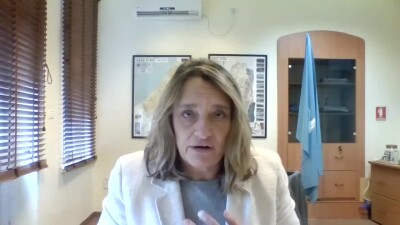
متحدثة من جنيف عبر Zoom، قالت لين هاستينغز، منسقة الشؤون الإنسانية للأمم المتحدة في الأراضي الفلسطينية المحتلة، للصحفيين في جنيف إن الوضع في القطاع كان مروعاً.
شمل ذلك مدينة رفح في الجنوب، بينما استمر القتال العنيف بين القوات الإسرائيلية والجماعات المسلحة الفلسطينية في خان يونس.
قالت: "نحن بحاجة ماسة إلى وقف إطلاق النار، هذا هو الطريق الوحيد إلى الأمام". "في الوقت الحالي، ما يحدث على الأرض لن يجلب السلام والأمن للفلسطينيين أو الإسرائيليين لسنوات عديدة، إن لم يكن لأجيال قادمة"، قالت السيدة هاستينغز. "وقف إطلاق النار هو في مصلحة الجميع في الوقت الحالي."
وفقًا لأحدث البيانات من مكتب الأمم المتحدة لتنسيق الشؤون الإنسانية (OCHA)، الذي نقل عن وزارة الصحة في غزة، بين 7 أكتوبر و12 ديسمبر، قُتل ما لا يقل عن 18,205 فلسطينيين في القطاع. حوالي 70 في المئة كانوا من النساء والأطفال وحوالي 50,100 أصيبوا.
قال مكتب الأمم المتحدة إن العديد من الأشخاص الآخرين مفقودون، ويفترض أنهم مدفونون تحت الأنقاض، في انتظار الإنقاذ أو الانتشال.
أشار مكتب الأمم المتحدة إلى أن توزيع المساعدات المحدود يجري في محافظة رفح. في بقية قطاع غزة، توقف توزيع المساعدات إلى حد كبير، بسبب شدة الأعمال العدائية والقيود على الحركة على طول الطرق الرئيسية، باستثناء تسليم الوقود المحدود لمقدمي الخدمات الرئيسيين.
أكدت السيدة هاستينغز أن "إسرائيل، كقوة احتلال، مسؤولة عن حماية السكان المدنيين الفلسطينيين". "هذا يعني أنهم يجب أن يوفروا الاحتياجات الأساسية، ويجب أن يضمنوا الوصول الإنساني دون عوائق لأولئك الذين يحتاجون إليها. ليس فقط للأمم المتحدة للسماح للشاحنات بالوصول إلى الحدود."
فيما يتعلق باعتقال واحتجاز الفلسطينيين، قالت السيدة هاستينغز إنه "بقدر ما نعلم، هذا بدون أي نوع من المحاكمة. هذا مصدر قلق واضح للأمم المتحدة." كما أكدت على الحاجة إلى السماح بالوصول الدولي إلى الرهائن الذين تم أخذهم خلال هجمات حماس الإرهابية في 7 أكتوبر في جنوب إسرائيل التي قتلت حوالي 1,200 شخص وأدت إلى انتقام قوات الدفاع الإسرائيلية، مضيفة أن وقف إطلاق النار قد يكون مفيدًا لإطلاق سراح الرهائن.
أفادت التقارير بأن انتشار الأمراض في غزة قد تكثف، خاصة بسبب ظروف المعيشة المزدحمة التي زادت من الضغط على نظام صحي مثقل بالفعل، مما يزيد من خطر وفاة الناس.
يوم الثلاثاء، وثقت وزارة الصحة في غزة 360,000 حالة من الأمراض المعدية في الملاجئ، مشيرة إلى أن العدد الفعلي يعتقد أنه أعلى.
قالت السيدة هاستينغز: "لقد انهار نظام الرعاية الصحية، لدينا صيغة كتابية للأوبئة وكارثة صحية عامة". "هذا جزئيًا، بالطبع، لأن هذه الملاجئ قد تجاوزت طاقتها الكاملة منذ فترة طويلة مع اصطفاف الناس لساعات فقط للوصول إلى مرحاض. مرحاض واحد متاح لمئات الأشخاص، يمكنك أن تتخيل كيف تكون ظروف الصرف الصحي نتيجة لذلك."
اعتبارًا من 11 ديسمبر، وفقًا لوكالة الأمم المتحدة لإغاثة وتشغيل اللاجئين الفلسطينيين (الأونروا)، يُقدر أن ما يقرب من 1.9 مليون شخص في غزة، أو ما يقرب من 85 في المئة من السكان، مشردون داخليًا، بما في ذلك الأشخاص الذين تم تشريدهم عدة مرات.
أظهر مسح حديث لبرنامج الأغذية العالمي التابع للأمم المتحدة (WFP) أن ما يقرب من نصف السكان في الشمال وثلث السكان في الجنوب يعانون من "مستويات شديدة من الجوع". قالت السيدة هاستينغز إن "97 في المئة من الأسر في الشمال و83 في المئة من الأسر في الجنوب لديها استهلاك غذائي غير كاف. هذا يعني ربما وجبة واحدة في اليوم، ربما وجبة واحدة كل بضعة أيام."
فيما يتعلق بالتقارير حول احتمال غمر الأنفاق تحت الأرض في غزة بمياه البحر من قبل الجيش الإسرائيلي، حذرت السيدة هاستينغز من أن ذلك سيتسبب في "أضرار جسيمة للبنية التحتية للمياه والصرف الصحي الهشة بالفعل... ويمكن أن يؤثر على الأجيال القادمة" عن طريق تلويث طبقة المياه الجوفية، وهي مصدر حيوي لمياه الشرب.
كما سلطت السيدة هاستينغز الضوء على زيادة العنف في الضفة الغربية المحتلة حيث قُتل 464 فلسطينيًا بالفعل، بما في ذلك 109 أطفال، وهو رقم قياسي منذ عام 2005. منذ 7 أكتوبر، قُتل 271 فلسطينيًا بينهم 69 طفلًا. تم اعتقال حوالي 3,000 فلسطيني ولا يزال من غير الواضح ما إذا كانوا قد حُكم عليهم، قالت.
فيما يتعلق بحوادث عنف المستوطنين في الضفة الغربية، تم تسجيل 336 حادثة منذ 7 أكتوبر، مما يمثل خمسة حوادث يوميًا الآن، مقارنة بحادثتين يوميًا في عام 2022.
-النهاية-
القصة: الوضع الإنساني في الأراضي الفلسطينية المحتلة – لين هاستينغز
المدة: 3:01”
المصدر: UNTV CH
اللغة: الإنجليزية
نسبة العرض إلى الارتفاع: 16:9
تاريخ التصوير: 13 ديسمبر 2023 - جنيف، سويسرا
قائمة اللقطات
- لقطة واسعة خارجية: مقر الأمم المتحدة في جنيف.
- مقتطف صوتي (بالإنجليزية) – لين هاستينغز، منسقة الشؤون الإنسانية للأراضي الفلسطينية المحتلة: "نحن بحاجة ماسة إلى وقف إطلاق النار، هذه هي الطريقة الوحيدة للمضي قدمًا. ما يحدث على الأرض الآن لن يجلب السلام والأمن لا للفلسطينيين ولا للإسرائيليين لسنوات عديدة، إن لم يكن لأجيال قادمة. لذا، فإن وقف إطلاق النار هو في مصلحة الجميع في الوقت الحالي."
- لقطة انتقالية: لقطة واسعة، مبنى الأمم المتحدة في جنيف مع صف الأعلام.
- مقتطف صوتي (بالإنجليزية) – لين هاستينغز، منسقة الشؤون الإنسانية للأراضي الفلسطينية المحتلة: "إسرائيل، كقوة محتلة، مسؤولة عن حماية السكان المدنيين الفلسطينيين. هذا يعني أنهم يجب أن يوفروا الاحتياجات الأساسية، ويجب أن يضمنوا وصول المساعدات الإنسانية دون عوائق إلى المحتاجين. ليس فقط للأمم المتحدة أن تسمح للشاحنات بالوصول إلى الحدود."
- لقطة انتقالية: لقطة متوسطة، مبنى الأمم المتحدة الخارجي مع علم الأمم المتحدة.
- مقتطف صوتي (بالإنجليزية) – لين هاستينغز، منسقة الشؤون الإنسانية للأراضي الفلسطينية المحتلة: "نحن نرى الآن بعض الفلسطينيين يتم اعتقالهم واحتجازهم. وعلى حد علمنا، هذا يحدث دون أي نوع من المحاكمة. هذا يثير قلق الأمم المتحدة بشكل واضح. وبالطبع، نحن أيضًا مستمرون في القلق بشأن إطلاق سراح الرهائن، والذي يمكن أن يحدث إذا كان هناك وقف لإطلاق النار. في هذه الأثناء، يجب أن يُمنح كل من هو في نوع من الاحتجاز أو رهينة، إلخ، الوصول لضمان أن تكون ظروفهم مناسبة."
- لقطة انتقالية: لقطة قريبة، مبنى الأمم المتحدة في جنيف مع علم الأمم المتحدة.
- مقتطف صوتي (بالإنجليزية) - لين هاستينغز، منسقة الشؤون الإنسانية للأراضي الفلسطينية المحتلة: "نظام الرعاية الصحية قد انهار. لدينا صيغة كتابية للأوبئة وكارثة صحية عامة. هذا جزئيًا، بالطبع، لأن هذه الملاجئ قد تجاوزت طاقتها الكاملة منذ فترة طويلة مع اصطفاف الناس لساعات فقط للوصول إلى مرحاض. مرحاض واحد متاح لمئات الأشخاص، يمكنك أن تتخيل كيف تكون ظروف الصرف الصحي نتيجة لذلك."
- لقطة انتقالية: لقطة متوسطة، مبنى الأمم المتحدة في جنيف مع صف الأعلام.
- مقتطف صوتي (بالإنجليزية) - لين هاستينغز، منسقة الشؤون الإنسانية للأراضي الفلسطينية المحتلة: "97 في المائة من الأسر في الشمال و83 في المائة من الأسر في الجنوب لديها استهلاك غذائي غير كافٍ. هذا يعني ربما وجبة واحدة في اليوم، ربما وجبة واحدة كل بضعة أيام. في الشمال، ما يقرب من 50 في المائة من الأسر قد عانت من مستويات شديدة من الجوع وفي الجنوب، أعتقد أن النسبة هي الثلث."
- لقطة انتقالية: لقطة متوسطة، مبنى الأمم المتحدة في جنيف مع صف الأعلام.
- لين هاستينغز، منسقة الشؤون الإنسانية للأراضي الفلسطينية المحتلة: "نحن نرى الكثير من التقارير حول احتمال فيضان الأنفاق. لا نعلم إذا كان هذا مؤكدًا أو إذا كان يحدث بالفعل. لكننا نريد أن نشير إلى أنه إذا حدث هذا، فمن المتوقع أن يتسبب في أضرار جسيمة للبنية التحتية للمياه والصرف الصحي الهشة بالفعل في غزة، ويمكن أن يؤثر على الأجيال القادمة، مما يجعل طبقة المياه الجوفية، التي هي مصدر حيوي لمياه الشرب بعد تحليتها، غير صالحة للاستخدام لسكان غزة."
- لقطة انتقالية: لقطة متوسطة، مبنى الأمم المتحدة في جنيف مع صف الأعلام.
مؤتمر صحفي افتراضي / مؤتمر صحفي افتراضي
OCHA
الموضوع:
الوضع الإنساني في الأراضي الفلسطينية المحتلة
المتحدث:
- لين هاستينغز، منسقة الشؤون الإنسانية للأراضي الفلسطينية المحتلة
التاريخ/الوقت:
الأربعاء، 13 ديسمبر 2023 في الساعة 11 صباحًا بتوقيت وسط أوروبا
Similar Stories
1
1
1
Press Conferences | WMO , UNHCR , WHO , ILO
WMO: Greenhouse Gas Bulletin; UNHCR: As attacks intensify UNHCR urges support for war ravaged Ukrainians; WHO: Clinical trials in DRC: vaccines and beyond; ILO: New global and regional estimates on domestic work, informality and working conditions
1
1
1
Edited News | OCHA , UNICEF , WFP
Aid agencies warned on Friday of the fast-developing humanitarian emergency inside Taiz City in Yemen, which has been encircled by de facto Houthi forces fighting government troops along the country’s west coast.
1
1
1
Press Conferences | UN WOMEN , WFP , WHO
UN WOMEN: Sudan Women and girls one year after the fall of El Fasher; increasing drone attacks across the country; WFP: DRC - Ebola spreads to eighth DRC province as WFP delivers food, builds treatment centres and keeps supplies moving; WHO - Update on Ebola (Bundibugyo Virus Disease)
1
12
1
1
Press Conferences , Images | UNOG
Closing Press Conference following the Sixth Consultative Meeting on Enhancing Coordination of Peace Initiatives and Efforts in Sudan

2
17
1
2
Edited News , Press Conferences , Images | OCHA , WMO
Two UN agencies teamed up on Wednesday to issue an appeal for immediate assistance to help communities already being impacted by the strongest El Niño on record.

3
16
2
2
Edited News , B-roll , Conferences , Images | UNITED NATIONS , UNOG
Sixth Consultative Meeting on Enhancing Coordination of Peace Initiatives and Efforts for Sudan
1
1
1
Press Conferences | CITES
Wildlife trade and conservation policy discussions at the 81st meeting of the CITES Standing Committee (SC81)

1
1
1
Edited News | UNICEF , WHO , UNHCR
Yemen war continues to force families from homes amid hunger and disease
More than 250,000 people have now fled renewed fighting in Yemen, the UN said on Tuesday, citing particular concern for those sheltering in the southwestern city of Taiz and the wider governorate, where access is “essentially blocked”.
1
1
1
Press Conferences | UNHCR , UNCTAD , WMO , OCHA , UNICEF , WHO
UNHCR Hungary’s 1956 Refugee Crisis: 70 Years On, UNCTAD World Investment Forum 2026, Doha, WMO Greenhouse Gas Bulletin and Climate Update for COP31, OCHA Afghanistan: Malnutrition, Girls’ Education and Recovery, UNICEF Yemen: Child Malnutrition and Unsafe Water in Taiz, WHO Inequalities in Noncommunicable Diseases and Risk Factors
1
1
1
Press Conferences | UNHCR
End of UNHCR's 77th Annual Executive Committee (ExCom) meeting week

1
1
1
Edited News | UNICEF
A little over one year since a ceasefire agreement was announced between Hamas fighters and Israel, more than 340 children have been reported killed and hundreds more injured, the UN Children’s Fund, UNICEF, said on Friday.
1
1
1
Press Conferences | UNICEF , IOM , UNHCR
UN Special Assistant to the Personal Envoy Office (SUDAN): Peace Initiatives and Efforts in Sudan; UNICEF: Dire situation of children in Gaza; IOM: Damaged Homes and Energy Attacks Risk Displacing Ukrainians for this winter; UNHCR: update on EXCOM week