

The United Nations Office at Geneva
Multimedia Newsroom
Edited News , Press Conferences | WHO
Ukraine : deuxième hiver sous le signe de la guerre et des défis liés au système de santé - OMS
Même si la guerre se terminait maintenant, les besoins de santé de millions d'Ukrainiens seraient élevés et croissants : OMS
Alors que la guerre en Ukraine entre dans son deuxième hiver complet, l'agence de santé des Nations Unies a averti que les mois à venir risquaient d'être brutalement froids et longs pour les Ukrainiens vulnérables.
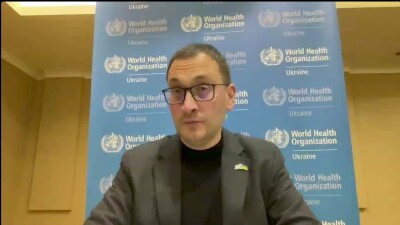
“Nous voyons la charge de morbidité croissante, donc même si la guerre devait se terminer aujourd'hui, les besoins de santé de millions de personnes à travers le pays seraient élevés et croissants,” a déclaré le Dr Jarno Habicht de l'Organisation mondiale de la santé (OMS) aux journalistes à Genève.
Au milieu de la contre-offensive ukrainienne en cours en réponse à l'invasion russe à grande échelle du 24 février 2022, la campagne serait devenue une série de gains progressifs.
Parlant depuis Odessa, le Représentant de l'OMS en Ukraine a souligné le niveau élevé de perturbation du système de santé.
Plus de 2 400 attaques vérifiées ont été menées contre des établissements de santé depuis la soi-disant opération militaire spéciale de la Russie, entraînant de nombreuses victimes civiles, selon l'OMS.
Cela a laissé de nombreux établissements de santé partiellement fonctionnels dans l'est et le sud du pays où les besoins sont les plus élevés.
Parmi eux, la maladie mentale affecte plus de 10 millions de personnes. “Cela peut varier du simple stress, de l'anxiété à d'autres besoins de haut niveau pour lesquels il est nécessaire de se tourner vers les soins primaires et les hôpitaux,” a déclaré le Dr Habicht. “Ce que nous avons fait, c'est de nous assurer que les supports de formation sont disponibles pour les gens, comme les outils d'auto-assistance (en ligne) plus,” a expliqué le responsable de l'OMS.
Plus de 55 000 travailleurs des soins de santé primaires sont formés pour traiter les problèmes de santé mentale, mais les besoins seront durables pour de nombreuses générations, a-t-il déclaré.
Les enfants et les personnes âgées souffrent particulièrement et luttent à l'approche de l'hiver et au milieu des combats en cours. Depuis le 24 février 2022, l'OMS a livré plus de 4 000 tonnes métriques de fournitures médicales vitales à l'Ukraine, y compris des générateurs d'énergie, des ambulances, de l'oxygène et des médicaments.
Il est prévu que la longue liste des besoins sera maintenue l'année prochaine au même niveau.
L'agence de santé des Nations Unies et ses partenaires estiment que 7,8 millions de personnes auront besoin d'un soutien humanitaire en 2024. Parmi ce nombre, la communauté humanitaire vise à cibler 3,8 millions des plus vulnérables. “C'est quelque chose où nous devons mettre tous nos efforts pour atteindre tous ces civils,” a souligné le Dr Jarno Habicht.
Sur une note plus positive, le responsable de l'OMS a souligné que le système de santé publique de l'Ukraine continue de fonctionner, notamment en luttant avec succès contre l'épidémie de polio en 2023.
L'Ukraine a également adopté une nouvelle loi sur la santé publique pour améliorer la résilience, ainsi qu'une surveillance communautaire renforcée des infections, garantissant que les spécialistes de la santé abordent tous les facteurs de risque, y compris les maladies non transmissibles.
La communauté de la santé publique voit également le processus d'adhésion à l'Union européenne comme une opportunité de transformer davantage l'infrastructure de soins de l'Ukraine, a insisté le Dr Habicht. “Nous avons une surveillance des maladies plus harmonisée avec les États membres de l'UE, et c'est très important pour la santé publique et aussi pour l'échange d'informations.”
L'adhésion à l'UE harmoniserait également l'éducation médicale pour les infirmières et les médecins, ainsi que les normes de salubrité de l'eau, a poursuivi le responsable de l'OMS. Néanmoins, ces changements prendront du temps car l'UE n'a accepté que le 14 décembre de poursuivre les pourparlers d'adhésion.
Fin
Orateur : Dr Jarno Habicht, Représentant de l'OMS en Ukraine, s'exprimant depuis Odessa, Ukraine.
Durée : 01'49"
Source : UNTV CH
Langue : Anglais
Format d'image : 16:9
Date de diffusion : 19 décembre 2023 - GENÈVE, SUISSE
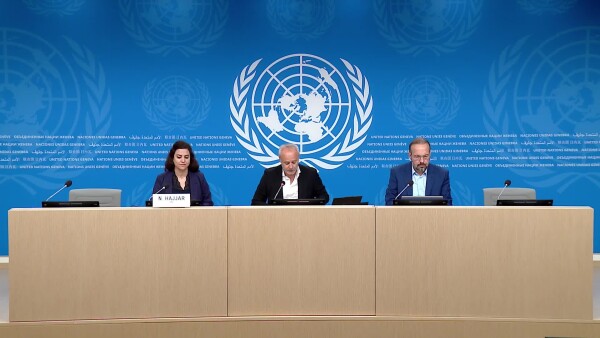
Conférence de presse de l'OMS à l'ONUG de Genève
LISTE DES PLANS
- Plan large : allée des drapeaux de l'ONU à Genève.
- Gros plan : salle de presse de l'ONU à Genève.
- SON (EN ANGLAIS) Dr Jarno Habicht, Représentant de l'OMS en Ukraine : "Nous constatons l'augmentation du fardeau de la maladie. Ainsi, même si la guerre prenait fin aujourd'hui, les besoins de santé de millions de personnes dans toute l'Ukraine seraient élevés et en augmentation."
- Gros plan : salle de presse de l'ONU à Genève.
- SON (EN ANGLAIS) Dr Jarno Habicht, Représentant de l'OMS en Ukraine : "Nous avons plus de 10 millions de personnes ayant des besoins en santé mentale. Cela peut varier du simple stress et de l'anxiété à d'autres besoins de haut niveau pour lesquels il faut recourir aux soins primaires et aux hôpitaux. Ce que nous avons fait, c'est de nous assurer que des outils de formation sont disponibles pour les personnes, comme les outils d'auto-assistance plus."
- Gros plan : journaliste à l'ONU à Genève.
- SON (EN ANGLAIS) Dr Jarno Habicht, Représentant de l'OMS en Ukraine : "Nous avons évalué que les besoins des personnes l'année prochaine, en 2024, concernent 7,8 millions de personnes. Et nous, en tant que communauté humanitaire travaillant dans le domaine de la santé et coordonnée par l'OMS, visons 3,8 millions de personnes. C'est quelque chose sur lequel nous devons concentrer tous nos efforts pour atteindre tous ces civils, dont beaucoup sont des personnes âgées et des enfants."
- Gros plan : salle de presse avec des journalistes à l'ONU à Genève.
- SON (EN ANGLAIS) Dr Jarno Habicht, Représentant de l'OMS en Ukraine : "Nous avons une surveillance harmonisée des maladies au sein des États membres de l'UE, et c'est très important pour la santé publique et l'échange d'informations."
- Divers plans de la salle de conférence de presse à l'ONU à Genève.
Similar Stories
1
1
1
Press Conferences | WMO , UNHCR , WHO , ILO
WMO: Greenhouse Gas Bulletin; UNHCR: As attacks intensify UNHCR urges support for war ravaged Ukrainians; WHO: Clinical trials in DRC: vaccines and beyond; ILO: New global and regional estimates on domestic work, informality and working conditions

1
1
1
Edited News | OCHA , UNICEF , WFP
Aid agencies warned on Friday of the fast-developing humanitarian emergency inside Taiz City in Yemen, which has been encircled by de facto Houthi forces fighting government troops along the country’s west coast.
1
1
1
Press Conferences | UN WOMEN , WFP , WHO
UN WOMEN: Sudan Women and girls one year after the fall of El Fasher; increasing drone attacks across the country; WFP: DRC - Ebola spreads to eighth DRC province as WFP delivers food, builds treatment centres and keeps supplies moving; WHO - Update on Ebola (Bundibugyo Virus Disease)
1
12
1
1
Press Conferences , Images | UNOG
Closing Press Conference following the Sixth Consultative Meeting on Enhancing Coordination of Peace Initiatives and Efforts in Sudan

2
17
1
2
Edited News , Press Conferences , Images | OCHA , WMO
Two UN agencies teamed up on Wednesday to issue an appeal for immediate assistance to help communities already being impacted by the strongest El Niño on record.

3
16
2
2
Edited News , B-roll , Conferences , Images | UNITED NATIONS , UNOG
Sixth Consultative Meeting on Enhancing Coordination of Peace Initiatives and Efforts for Sudan
1
1
1
Press Conferences | CITES
Wildlife trade and conservation policy discussions at the 81st meeting of the CITES Standing Committee (SC81)

1
1
1
Edited News | UNICEF , WHO , UNHCR
Yemen war continues to force families from homes amid hunger and disease
More than 250,000 people have now fled renewed fighting in Yemen, the UN said on Tuesday, citing particular concern for those sheltering in the southwestern city of Taiz and the wider governorate, where access is “essentially blocked”.
1
1
1
Press Conferences | UNHCR , UNCTAD , WMO , OCHA , UNICEF , WHO
UNHCR Hungary’s 1956 Refugee Crisis: 70 Years On, UNCTAD World Investment Forum 2026, Doha, WMO Greenhouse Gas Bulletin and Climate Update for COP31, OCHA Afghanistan: Malnutrition, Girls’ Education and Recovery, UNICEF Yemen: Child Malnutrition and Unsafe Water in Taiz, WHO Inequalities in Noncommunicable Diseases and Risk Factors
1
1
1
Press Conferences | UNHCR
End of UNHCR's 77th Annual Executive Committee (ExCom) meeting week

1
1
1
Edited News | UNICEF
A little over one year since a ceasefire agreement was announced between Hamas fighters and Israel, more than 340 children have been reported killed and hundreds more injured, the UN Children’s Fund, UNICEF, said on Friday.
1
1
1
Press Conferences | UNICEF , IOM , UNHCR
UN Special Assistant to the Personal Envoy Office (SUDAN): Peace Initiatives and Efforts in Sudan; UNICEF: Dire situation of children in Gaza; IOM: Damaged Homes and Energy Attacks Risk Displacing Ukrainians for this winter; UNHCR: update on EXCOM week