

The United Nations Office at Geneva
Multimedia Newsroom
Thousands suffer extreme rights abuses journeying to Africa’s Mediterranean coast: UNHCR, IOM
Thousands of refugees and migrants in eastern and western Africa are dying while others face harrowing abuse in their attempts to reach the continent’s Mediterranean coast in search of a better life, a joint UN/Danish Refugee Council (DRC) report said on Wednesday.
Testimonies published by the UN refugee agency, UNHCR, with the DRC’s Mixed Migration Centre (MMC), reveal random killings, torture, forced labour and beatings.
Other people on the move said they had been burnt with hot oil and melted plastic, while others faced electrocution and being tied in stress positions.
Smugglers and traffickers were key abusers, but so too were State officials, to a surprising extent, Vincent Cochetel, UNHCR Special Envoy for the Central Mediterranean, told journalists at the UN in Geneva.
“In 47 per cent of the case(s), the victims reported the perpetrators of violence are law enforcement authorities, whereas in the past we believed that it was mainly smugglers and traffickers,” he said. “Yes, they are key perpetrators of violence, but the primary perpetrators of violence are people who are supposed to protect.”
Although accurate data is extremely difficult to gather, data suggests that at least 1,750 people died leaving western or eastern African nations en route to countries including Libya, Egypt or Algeria in 2018 and 2019.
This represents more than 70 deaths a month, “making it one of the most deadly routes for refugees and migrants in the world”, UNHCR said in a statement.
Almost three in 10 people died as people attempted to cross the Sahara Desert, according to the UN agency. Other lethal hotspots included locations in southern Libya such as Sabha, Kufra and Qatrun, in addition to the “smuggling hub” of Bani Walid southeast of Tripoli and several places along the west African section of the migrant route including Bamako in Mali and Agadez in Niger.
To date this year, at least 70 people are known to have died, including 30 killed in June by traffickers in Mizdah, southern Libya, whose victims came from Bangladesh and African countries.
In a note accompanying the report, UNHCR noted that overland deaths are in addition to the “thousands who have died or gone missing” in recent years trying to cross the Mediterranean Sea to Europe, usually in vessels unfit to make the crossing.
“We can consider that an estimate of 72 per cent minimum died overland even before reaching Libya or Morocco or Egypt, their place of initial destination on their journey,” Mr. Cochetel said. “That’s a low estimate in our view, in the sense that the number of deaths on land is more or less the same than the number of deaths at sea for 2018/2019.”
Among the report’s findings is clear evidence that Libya is by no means the only place where migrants and refugees face life-threatening dangers.
“Abuse actually is along the route and even sometimes it starts within the country of origin and follows people as they move,” said Othman Belbeisi, IOM Senior Regional Advisor to the Director General on Middle East and North Africa.
“Especially as they are moving at the hands of those smugglers and traffickers. People do not know their locations and they do not have communications, so even if people die or go missing, it’s very difficult to verify or to know where those people get missed.”
Describing the report’s findings as “unacceptable” and calling for action to help vulnerable people on the move, Mr. Cochetel noted that internationally agreed measures to target business and individuals involved in people smuggling had shown limited success.
“We have had no new names of traffickers listed for the last two years, we have not had one single arrest of a UN-sanctioned trafficker over the last two years,” he said. “So why can’t States do like they do with trafficking of weapons, terrorism or drug trafficking; why don’t we follow the money-flows, why don’t we seriously go after those people and try to combat impunity.”
Around 85 per cent of refugees usually stay in the first country where they arrive, the UNHCR Special Envoy insisted, before underscoring the need for investment in countries of origin to provide desperate people with an alternative to having to put their lives in the hands of traffickers.
“Access to education is difficult, socio-economic inclusion is inexistent in many countries,” Mr. Cochetel said. “Access to medical care is not available, we’ve seen it during COVID-19 in many of those transit countries for migrants or for refugees, so there is a lot to be done under this umbrella of inclusion.”
Highlighting the fact that Libya is not safe for refugees and migrants returned from dangerous sea crossing attempts by the Libyan coast guard, IOM’s Othman Belbeisi called for solutions beyond the war-ravaged nation.
“The situation is not only in one country, (the) other side of the Mediterranean has also a big responsibility; you have to understand that countries like Libya which is in conflict, (in) civil war, people are dying, there is huge displacement, is not a safe port, so if we call to return people or to have an idea to bring people back to a country that is not safe, I believe there is a big question about how serious we are to reach a solution.”
- Exterior shot, Palais des Nations flag alley, nations’ flags flying, a blue sky day.
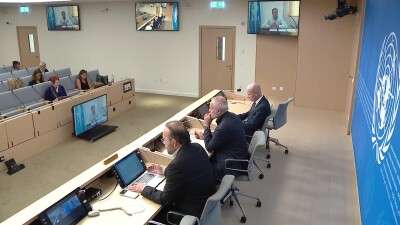
- Wide shot, podium with speakers sitting wide apart in Press Room III, which is relatively empty, in line with COVID-19 distancing measures, Palais des Nations.
- Medium shot, TV camera crews, journalist, Press Room III, Palais des Nations.
- SOUNDBITE (English) — Othman Belbeisi, IOM Senior Regional Advisor to the Director General on Middle East and North Africa: “Abuse actually is along the route and even sometimes it starts within the country of origin and follows people as they move. Especially as they are moving at the hands of those smugglers and traffickers. People do not know their locations and they do not have communications, so even if people die or go missing, it’s very difficult to verify or to know where those people get missed.”
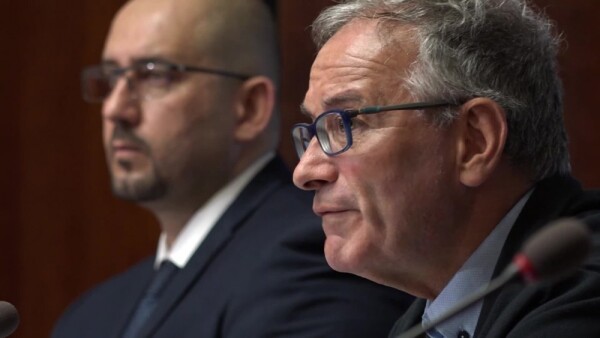
- Close-up, two podium speakers in profile, one is talking, Press Room III, Palais des Nations.
- SOUNDBITE (English) — Vincent Cochetel, UNHCR Special Envoy for the Central Mediterranean: “The perpetrators of physical violence, in 47 per cent of the case, the victims reported the perpetrators of violence are law enforcement authorities, whereas in the past we believed that it was mainly smugglers and traffickers; yes, they are key perpetrators of violence, but the primary perpetrators of violence are people who are supposed to protect.”
- Medium shot, chairs propped up against table, journalist to rear, seated, Press Room III, Palais des Nations.
- SOUNDBITE (English) — Vincent Cochetel, UNHCR Special Envoy for the Central Mediterranean: “We can consider that an estimate of 72 per cent minimum died overland even before reaching Libya or Morocco or Egypt, their place of initial destination on their journey. That’s a low estimate in our view, in the sense that the number of deaths on land is more or less the same than the number of deaths at sea for 2018/2019.”
- Medium shot, speakers in profile, Press Room III, Palais des Nations.
- SOUNDBITE (English) — Vincent Cochetel, UNHCR Special Envoy for the Central Mediterranean: “We have had no new names of traffickers listed for the last two years, we have not had one single arrest of a UN-sanctioned trafficker over the last two years. So why can’t States do like they do with trafficking of weapons, terrorism or drug trafficking; why don’t we follow the money-flows, why don’t we seriously go after those people and try to combat impunity.”
- Medium shot, journalist in centre of shot, sitting back in chair, holding pen in hand, Press Room III, Palais des Nations.
- SOUNDBITE (English) — Othman Belbeisi, IOM Senior Regional Advisor to the Director General on Middle East and North Africa: “The situation is not only in one country, (the) other side of the Mediterranean has also a big responsibility; you have to understand that countries like Libya which is in conflict, (in) civil war, people are dying, there is huge displacement, is not a safe port, so if we call to return people or to have an idea to bring people back to a country that is not safe, I believe there is a big question about how serious we are to reach a solution.”
- Medium shot, journalist reading report (out of shot) behind a sea of seats, holds pen to mouth, Press Room III, Palais des Nations.
- SOUNDBITE (English) — Vincent Cochetel, UNHCR Special Envoy for the Central Mediterranean: “Access to education is difficult, socio-economic inclusion is inexistent in many countries; access to medical care is not available, we’ve seen it during COVID-19 in many of those transit countries for migrants or for refugees, so there is a lot to be done under this umbrella of inclusion.”
- Wide shot, podium speakers sitting wide apart in Press Room III, Palais des Nations.
- Medium shot, journalists, one typing with one hand on laptop, Press Room III, Palais des Nations.
- Close-up, photographer taking picture, Press Room III, Palais des Nations.
Similar Stories
1
1
1
Edited News | UNHCR
More than 280,000 people have now been displaced by fighting in Yemen and many vulnerable people are unable to access lifesaving relief because it is too dangerous to do so, the UN refugee agency (UNHCR) said on Friday.
1
1
1
Press Conferences | OCHA , UN , UNHCR
UN Joint Inspection Unit: JIU at 60 - Who Holds the UN System Accountable? From Recommendations to Results – How Independent System-wide Oversight Contributes to Change; UNHCR: UNHCR winter appeal: 9m people urgently need winter aid as resources dwindle and temperatures slide; Refugees in Yemen trapped between conflict, displacement and dangerous journeys
1
1
1
Edited News | UN
Tour guides at UN Geneva turned heads at the Palace of Nations on Thursday as they unveiled stylish new uniforms, designed in partnership with leading Italian sustainable fashion designers and manufacturers.
1
1
1
Press Conferences | WMO , UNHCR , WHO , ILO
WMO: Greenhouse Gas Bulletin; UNHCR: As attacks intensify UNHCR urges support for war ravaged Ukrainians; WHO: Clinical trials in DRC: vaccines and beyond; ILO: New global and regional estimates on domestic work, informality and working conditions
1
1
1
Edited News | OCHA , UNICEF , WFP
Aid agencies warned on Friday of the fast-developing humanitarian emergency inside Taiz City in Yemen, which has been encircled by de facto Houthi forces fighting government troops along the country’s west coast.
1
1
1
Press Conferences | UN WOMEN , WFP , WHO
UN WOMEN: Sudan Women and girls one year after the fall of El Fasher; increasing drone attacks across the country; WFP: DRC - Ebola spreads to eighth DRC province as WFP delivers food, builds treatment centres and keeps supplies moving; WHO - Update on Ebola (Bundibugyo Virus Disease)
1
12
1
1
Press Conferences , Images | UNOG
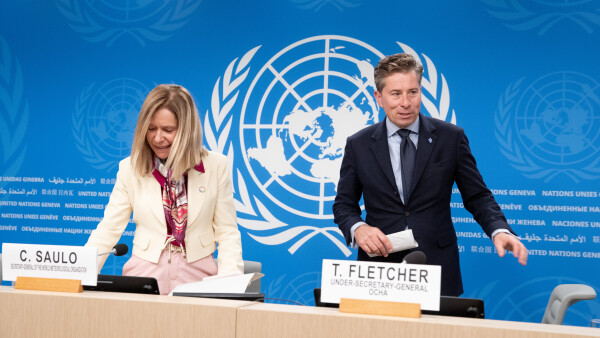
Closing Press Conference following the Sixth Consultative Meeting on Enhancing Coordination of Peace Initiatives and Efforts in Sudan
2
17
1
2
Edited News , Press Conferences , Images | OCHA , WMO
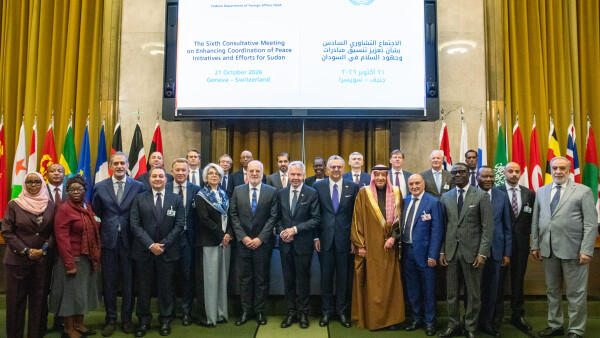
Two UN agencies teamed up on Wednesday to issue an appeal for immediate assistance to help communities already being impacted by the strongest El Niño on record.
3
16
2
2
Edited News , B-roll , Conferences , Images | UNITED NATIONS , UNOG
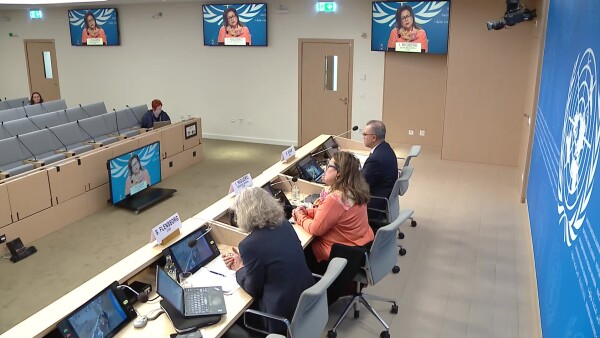
Sixth Consultative Meeting on Enhancing Coordination of Peace Initiatives and Efforts for Sudan
1
1
1
Press Conferences | CITES
Wildlife trade and conservation policy discussions at the 81st meeting of the CITES Standing Committee (SC81)
1
1
1
Edited News | UNICEF , WHO , UNHCR
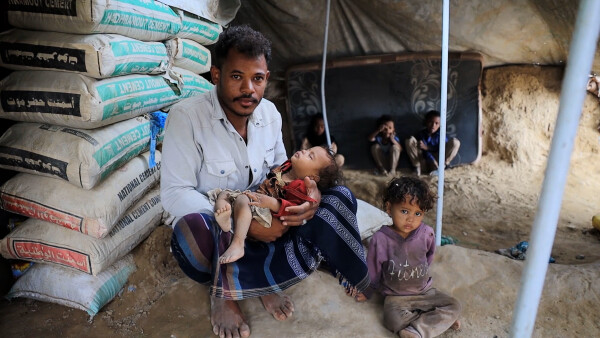
Yemen war continues to force families from homes amid hunger and disease
More than 250,000 people have now fled renewed fighting in Yemen, the UN said on Tuesday, citing particular concern for those sheltering in the southwestern city of Taiz and the wider governorate, where access is “essentially blocked”.
1
1
1
Press Conferences | UNHCR , UNCTAD , WMO , OCHA , UNICEF , WHO
UNHCR Hungary’s 1956 Refugee Crisis: 70 Years On, UNCTAD World Investment Forum 2026, Doha, WMO Greenhouse Gas Bulletin and Climate Update for COP31, OCHA Afghanistan: Malnutrition, Girls’ Education and Recovery, UNICEF Yemen: Child Malnutrition and Unsafe Water in Taiz, WHO Inequalities in Noncommunicable Diseases and Risk Factors