

The United Nations Office at Geneva
Multimedia Newsroom
Edited News | UNHCR , OCHA , WFP , IOM
UNOG Bi-weekly press briefing: Mozambique - Palma Attacks-OCHA - IOM - UNHCR - WFP
Grave concern for women and children targeted in northern Mozambique violence
Disturbing reports of targeted attacks against civilians have continued to emerge from the northern Mozambique town of Palma, marking a serious escalation of violence and volatility in the Cabo Delgado region.
Issuing the humanitarian alert on Tuesday, UN agencies reported that dozens of people had been killed during attacks by unnamed insurgents who reportedly descended on the town at the weekend.
The violence has not stopped, said Jens Laerke, spokesperson for the UN Office for the Coordination of Humanitarian Affairs (OCHA): “What has happened in Palma is an absolute horror being inflected on civilians by a non-state armed group. That is what I can say. They have done horrific things, they are still doing so, we have reported this morning of continued sporadic clashes, that is why we are talking about our expectations of thousands more people moving out from Palma district towards other areas of the country and towards the border with Tanzania.”
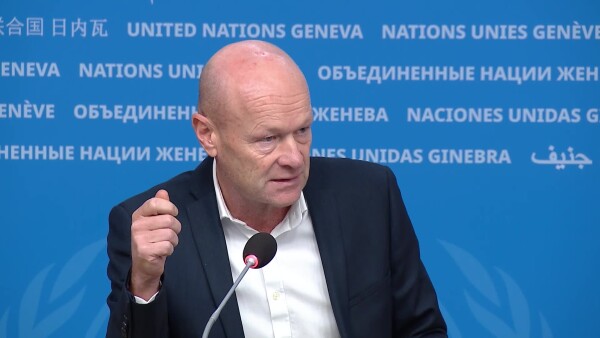
UN International Organization for Migration (IOM) spokesperson Paul Dillon confirmed the desperate situation during a press conference in Geneva: “As of this morning March 30, we can tell you that 3,361 internally displaced people - that’s 672 families - have been registered by IOM’s Displacement Tracking Matrix. They are arriving by foot, by bus, by plane and by boat, from Palma to Ullongwe, Mueda, Montepuez districts as well as Pemba city.”
Families had fled, “seeking refuge in the surrounding bush”, according to UN refugee agency UNCHR, while more than 100 displaced people had travelled south by boat from Palma to Pemba, capital of resource-rich Cabo Delgado province.
Since conflict erupted in October 2017, 670,000 people have been forced to flee violence, according to IOM.
More than half are children “and they are all in desperate need of help, all of them”, said Marixie Mercado, spokesperson for UN Children’s Fund UNICEF. Highlighting the specific threat to non-combatants of the insurgency, UN refugee agency (UNHCR) spokesperson Andrej Mahecic said that people had been “killed, maimed, houses looted and burned and the fields of these people have been destroyed”.
People have been chased from their homes and fled “with very few possessions”, the UNHCR spokesperson continued, while women and girls had been “abducted, forced into marriages, in some cases raped and subjected to other forms of sexual violence. There are also reports of children being forcibly recruited into these insurgent armed groups.”
In response to the emergency, UN humanitarians the World Food Programme (WFP) have already delivered 250 aid metric tonnes of food assistance to meet the needs of nearly 16,000 people for a month in Palma.
“Further food assistance in Palma, as you can imagine, has been temporarily put on hold because of the ongoing violence,” said WFP spokesperson Tomson Phiri, although critical medical staff and aid workers have been flown in “to support the injured and those most in need”.
The UN Humanitarian Air Service (UNHAS) was “exceptionally supporting the evacuation of civilians, including women and children and those who are critically injured”, Mr. Phiri continued, adding that on Monday, “four rotations were completed, evacuating 82 people”.
In addition to continuing insecurity in Mozambique’s north, the aid response has also been hampered by a severe lack of funding, with the UN’s $254 million appeal only one per cent funded.
ends
STORY: Mozambique – Palma Attacks – OCHA – IOM – UNHCR – WFP
TRT: 02 min 59s
SOURCE: UNTV CH
RESTRICTIONS: NONE
LANGUAGE: ENGLISH / NATS
ASPECT RATIO: 16:9
DATELINE: 30 MARCH 2021 GENEVA, SWITZERLAND
SHOTLIST
- Exterior wide shot, Palais des Nations flag alley, nations’ flags flying, a cloudy day.
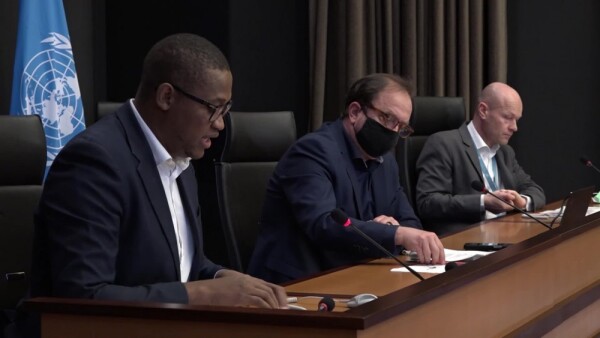
- Wide shot, podium with speakers and camera in a near-empty Room XIV in line with COVID-19 distancing measures, Palais des Nations.
- SOUNDBITE (English) — Jens Laerke, spokesperson for OCHA (UN Office for the Coordination of Humanitarian Affairs): “What has happened in Palma is an absolute horror being inflected on civilians by a non-state armed group. That is what I can say. They have done horrific things, they are still doing so, we have reported this morning of continued sporadic clashes, that is why we are talking about our expectations of thousands more people moving out from Palma district towards other areas of the country and towards the border with Tanzania.”
- Medium shot, journalist typing on phone to rear, Room XIV, Palais des Nations.
- SOUNDBITE (English) — Paul Dillon, spokesperson for IOM (UN International Organization for Migration): “As of this morning March 30, we can tell you that 3,361 internally displaced people - that’s 672 families - have been registered by IOM’s Displacement Tracking Matrix. They are arriving by foot, by bus, by plane and by boat, from Palma to Ullongwe, Mueda, Montepuez districts as well as Pemba city.”
- Medium shot, TV broadcasting, Room XIV, Palais des Nations.
- SOUNDBITE (English) — Andrej Mahecic, spokesperson for UNHCR (United Nations High Commissioner for Refugees): “This is the crisis where the violence has directly targeted civilians, in villages and in cities in Cabo Delgado, many have been killed, maimed, houses looted and burned and the fields of these people have been destroyed. People have been chased from their homes and fled with very few possessions, in most cases without even their documents. The women and girls have been abducted, forced into marriages, in some cases raped and subjected to other forms of sexual violence. There are also reports of children being forcibly recruited into these insurgent armed groups.”
- Medium-wide shot, TV broadcasting in foreground and podium to rear, Room XIV, Palais des Nations.
- SOUNDBITE (English) — Tomson Phiri, spokesperson, WFP (UN World Food Programme): “The World Food Programme and its partners have delivered 250 aid metric tonnes of food assistance to meet the needs of nearly 16 000 people for a month in Palma. Further food assistance in Palma, as you can imagine, has been temporarily put on hold because of the ongoing violence.”
- Medium shot, journalists taking notes and using listening device, Room XIV, Palais des Nations.
- SOUNDBITE (English) — Tomson Phiri, spokesperson for WFP (UN World Food Programme): “In addition to transporting critical medical staff and aid workers to support the injured and those most in need, UNHAS is exceptionally supporting the evacuation of civilians, including women and children and those who are critically injured. Just yesterday, four rotations were completed, evacuating 82 people.”
- Medium shot, UN podium with speakers, Room XIV, Palais des Nations
- Medium close-up shot, journalists using listening device, Room XIV, Palais des Nations.
14. Close-up, hands typing on laptop, Room XIV, Palais des Nations.
Similar Stories
1
1
1
Edited News | OCHA , UNICEF , WFP
Aid agencies warned on Friday of the fast-developing humanitarian emergency inside Taiz City in Yemen, which has been encircled by de facto Houthi forces fighting government troops along the country’s west coast.

2
17
1
2
Edited News , Press Conferences , Images | OCHA , WMO
Two UN agencies teamed up on Wednesday to issue an appeal for immediate assistance to help communities already being impacted by the strongest El Niño on record.

3
16
2
2
Edited News , B-roll , Conferences , Images | UNITED NATIONS , UNOG
Sixth Consultative Meeting on Enhancing Coordination of Peace Initiatives and Efforts for Sudan

1
1
1
Edited News | UNICEF , WHO , UNHCR
Yemen war continues to force families from homes amid hunger and disease
More than 250,000 people have now fled renewed fighting in Yemen, the UN said on Tuesday, citing particular concern for those sheltering in the southwestern city of Taiz and the wider governorate, where access is “essentially blocked”.

1
1
1
Edited News | UNICEF
A little over one year since a ceasefire agreement was announced between Hamas fighters and Israel, more than 340 children have been reported killed and hundreds more injured, the UN Children’s Fund, UNICEF, said on Friday.

1
1
1
Edited News | UNICEF , IFRC
Six weeks after Nepal’s deadly flooding disaster, communities are still struggling to rebuild their lives, but they will need sustained help as global warming increases the risk of another Himalayan catastrophe, the UN Children’s Fund (UNICEF) said on Friday.

1
1
1
Edited News | WHO
In suspected Russia plague death, testing and monitoring underway – WHO
The death of a lab worker in Russia’s Siberia region has sparked concerns about plague being the cause, the UN World Health Organization (WHO) said on Tuesday, adding that it was following the situation closely.

1
1
Edited News | OHCHR , UNOG
UN Human Rights Chief Volker Türk on Friday provided and oral update to the 63rd session of the Human rights Council on Ukraine.

1
1
1
Edited News | OHCHR , UNOG
UN Human Rights Chief Volker Türk on Friday provided and oral update to the 63rd session of the Human rights Council on the human rights situation in Haiti.

1
1
1
Edited News | WHO
Repeated delays in bringing lifesaving medicines, prosthetics and more from Israel into Gaza risk having devastating consequences on Palestinians who urgently need them in the wartorn enclave, the UN World Health Organization (WHO) said on Friday. “A truck full of non-priority supplies or the right supplies arriving too late, doesn't save lives. That's the question that actually matters," said Dr Reinhilde Van De Weerdt, WHO Representative in the OPT.

1
1
1
Edited News | WHO
DRC: Early access to care and oxygen decisive for Ebola patients’ survival – WHO
In the Democratic Republic of the Congo (DRC), health workers fighting the country’s largest-ever Ebola outbreak are struggling to overcome critical challenges to patient care, the UN World Health Organization (WHO) warned on Tuesday.

1
1
1
Edited News | OCHA , UN
Civilians in Iran are continuing to feel the consequences of months of conflict and military escalation, the UN’s top official in the country has said, as loss of life, damage to civilian infrastructure and mounting economic pressures leave many facing continued uncertainty.