

The United Nations Office at Geneva
Multimedia Newsroom
Edited News | OHCHR , UNOG
UN Human Rights Chief Volker Türk oral update on Ukraine at the 63 HRC
“The war in Ukraine is a human rights catastrophe that is growing and intensifying by the week, causing unfathomable pain to civilians, and threatening an even greater disaster across the entire region. We need urgent action to end it, in line with the UN Charter and international law,” said the High Commissioner.
“Against a backdrop of unceasing brutality, our recent report found shocking levels of sexual violence against civilians and prisoners of war. The Russian Federation is using these abhorrent acts to torture, intimidate and coerce individuals and communities.”
Of more than 1,000 cases documented by the UN Human Rights Office, 89 per cent were attributed to Russian authorities and 11 per cent to Ukraine. Most of the victims of sexual violence were men, particularly in places of detention, but women and children were also affected, primarily in occupied territory of Ukraine.
The High Commissioner stated that this was just one terrible manifestation of the cruelty that has come to define this war, and that alongside peace, there must be accountability.
“The full-scale invasion unleashed by the Russian Federation is killing and injuring hundreds of people every week, as frontlines barely move. Apartment buildings, schools, medical centres, railways, seaports, gas stations, shops and logistics and telecommunications companies have been hit in recent attacks,” he said.
“The Russian Federation, as the aggressor, is inflicting immense suffering on Ukrainians. The Russian leadership should also consider what this war is doing to their own society, which is sinking deeper into fear, denial, and a militarized economy that puts death and destruction ahead of healthcare and education. I’m shocked by the lack of empathy on display.”
“Continuous escalation is creating a vortex of vengeance and reprisals that will have terrible consequences for people and communities for decades to come,” said the High Commissioner.
Across Ukraine, people are living in constant dread. Air raid alerts in Kyiv were active for 33 hours during one 48-hour period earlier this week, as missiles and drones rained down on the city.
“During the first eight months of this year, we verified some 15,280 civilians killed and injured – on average, more than 400 every week, for 34 weeks,” said the High Commissioner, noting that this was 55 per cent more than during the same period in 2025.
On 19 September, for example, Russian long-range drone attacks killed four civilians, including three children, in the Kyiv region. On 12 and 13 September, one civilian was killed and 63 injured in attacks involving missiles and drones in the Odesa region.
“The number of civilian casualties in the Russian Federation has reportedly also increased,” said Türk.
During the night of 19-20 September, the Russian authorities reported that 3 people were killed and 41 injured in a major missile and drone attack in the Moscow region. The UN Human Rights Office is unable to verify these reports fully; the authorities have not granted access.
Short-range drones kill and injure civilians, prevent the delivery of humanitarian aid, and restrict freedom of movement. Long-range drones are constantly expanding their reach and the threat they pose to civilians. The High Commissioner noted that Ukraine was a laboratory for drone warfare with urgent steps needed at the international level to deal with the carnage wrought by these weapons systems around the world.
“The situation near the frontlines is a particular concern. Civilian casualties are at very high levels, caused by drone attacks, aerial bombardment, shelling, and systems that launch multiple rockets, devastating an entire area,” Türk said.
In the Donetsk, Kharkiv, Sumy and Zaporizhzhia regions, the use of aerial glide bombs by the Russian Federation has driven a significant increase in civilian deaths and injuries. In the first eight months of this year, these weapons killed and injured nearly 2,500 civilians –62 per cent more than during the same period last year.
“An estimated two thousand people are trapped in Oleshky in desperate conditions, without running water, electricity or gas. Food deliveries have been severely disrupted, and the hospital is running out of fuel to run its generators,” said the High Commissioner.
“Attacks on energy infrastructure and commercial property have increased sharply, in clear disregard of international humanitarian law.”
“Russian attacks on supermarkets and food companies are already creating temporary shortages of vegetables and dairy products in some areas. Damage to power plants causes outages that affect water pumping stations. Russian forces have repeatedly attacked transportation infrastructure, including railways, ports, border crossings and gas stations across Ukraine. As winter approaches, Ukrainians fear the worst is yet to come,” he said.
“Inside the Russian Federation, Ukrainian forces have reportedly struck warehouses and logistics centres belonging to major e-commerce companies, along with oil refineries,” the High Commissioner said.
He noted Russia’s continued attempts to incorporate the Ukrainian territory it occupies, most recently by holding elections there earlier this month, as another blatant violation of international law.
“I am alarmed by human rights violations linked to the presence of fighters from third countries in this war. My staff have interviewed prisoners of war from 36 countries who are held by Ukraine; many said they were deceived into joining the Russian forces,” he said.
The High Commissioner also referred to the massive use of explosives and mines polluting ecosystems and creating new environmental risks. The full impact of toxic chemicals on land, rivers and lakes is not yet known but it is clear that today’s warmongers are oblivious to the harm they are causing future generations.
“The conduct of this war to date cannot be allowed to dictate its future. We need a decisive shift towards de-escalation and peace,” said the High Commissioner.
“Rebuilding momentum towards negotiations is key. This calls for confidence-building measures, based on human rights, that could reduce the impact of hostilities on civilians.”
“Such measures could include an agreement to end attacks on economic targets and energy infrastructure; local ceasefires on the frontlines; enabling civilians to leave Oleshky; and a full exchange of prisoners of war, respecting the principle of non-refoulement,” said Türk
The High Commissioner said that these steps can be a basis for renewed efforts towards peace, grounded in human rights and in line with the UN Charter, international law, and General Assembly resolutions.
The High Commissioner expressed his solidarity with the civilians who are bearing the brunt of this war and urged the international community, and particularly States with influence to take urgent action to push for a negotiated peace now, before this tragedy becomes even worse.
ENDS
For more information and media requests, please contact:
In Geneva
Shabia Mantoo - shabia.mantoo@un.org
Marta Hurtado - marta.hurtadogomez@un.org
Facebook unitednationshumanrights
Instagram @unitednationshumanrights
STORY: UN Human Rights Chief Volker Türk oral update on Ukraine at the 63 HRC
TRT: 05:39
SOURCE: OHCHR
RESTRICTIONS: NONE
LANGUAGE: English/NATS
ASPECT RATIO: 16:9
DATELINE: 2 October – GENEVA, SWITZERLAND
SHOTLIST
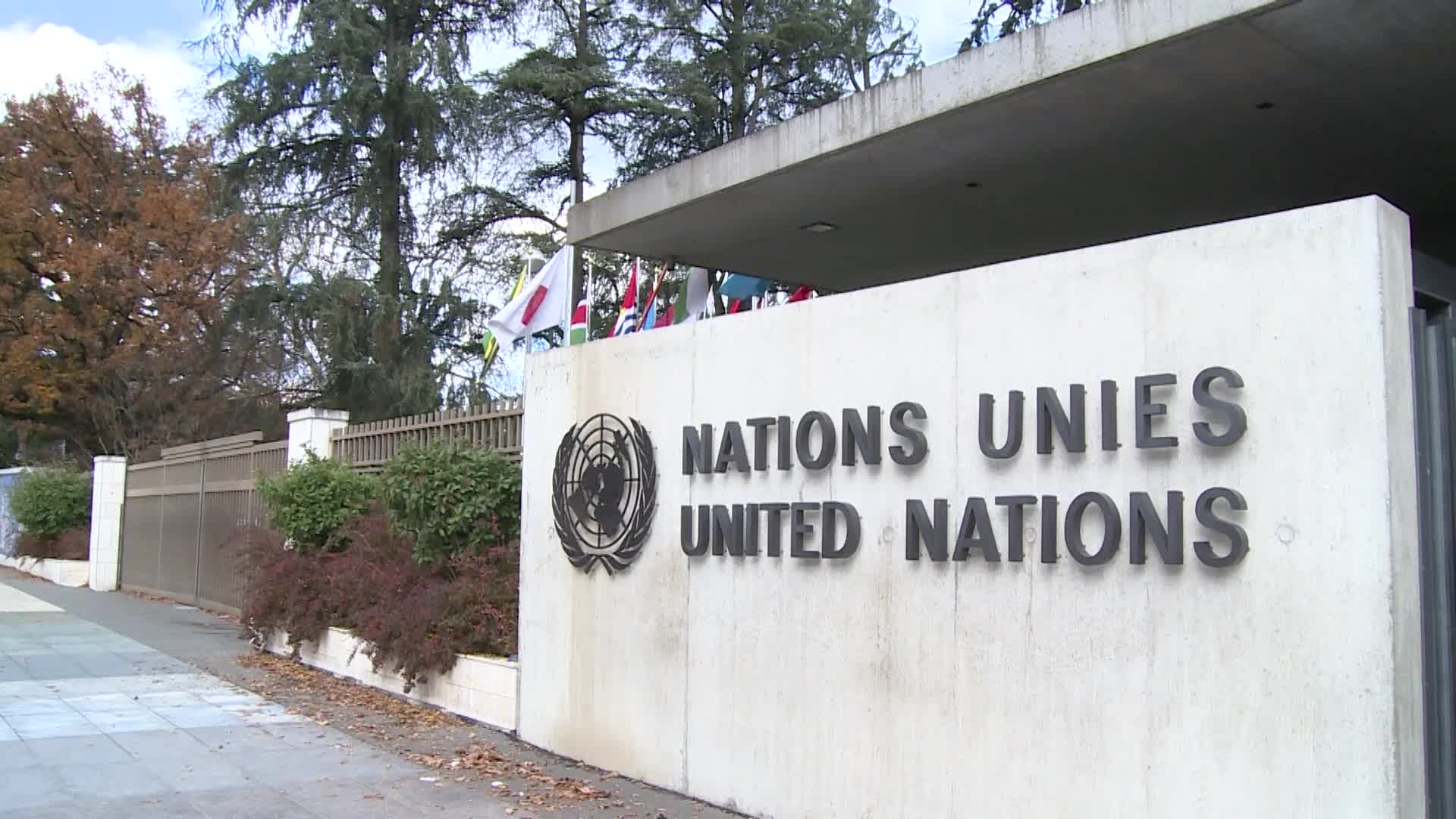
- Various exteriors: Palais des Nations,
- Interior: Assembly Hall A - Human Rights Council
- SOUNDBITE (English) — Volker Türk, UN High Commissioner for Human Rights: “The war in Ukraine is a human rights catastrophe that is growing and intensifying by the week, causing unfathomable pain to civilians, and threatening an even greater disaster across the entire region. We need urgent action to end it, in line with the UN Charter and international law.”
- Cut away: Assembly Hall A
- SOUNDBITE (English) — Volker Türk, UN High Commissioner for Human Rights: “Against a backdrop of unceasing brutality, our recent report found shocking levels of sexual violence against civilians and prisoners of war. The Russian Federation is using these abhorrent acts to torture, intimidate and coerce individuals and communities.”
- Cut away: Assembly Hall A
- SOUNDBITE (English) — Volker Türk, UN High Commissioner for Human Rights: “The full-scale invasion unleashed by the Russian Federation is killing and injuring hundreds of people every week, as frontlines barely move. Apartment buildings, schools, medical centres, railways, seaports, gas stations, shops and logistics and telecommunications companies have been hit in recent attacks.”
- Cut away: Assembly Hall A
- SOUNDBITE (English) — Volker Türk, UN High Commissioner for Human Rights: “The Russian Federation, as the aggressor, is inflicting immense suffering on Ukrainians. The Russian leadership should also consider what this war is doing to their own society, which is sinking deeper into fear, denial, and a militarized economy that puts death and destruction ahead of healthcare and education. I’m shocked by the lack of empathy on display.”
- Cut away: Assembly Hall A
- SOUNDBITE (English) — Volker Türk, UN High Commissioner for Human Rights: “Continuous escalation is creating a vortex of vengeance and reprisals that will have terrible consequences for people and communities for decades to come.”
- Cut away: Assembly Hall A
- SOUNDBITE (English) — Volker Türk, UN High Commissioner for Human Rights: “During the first eight months of this year, we verified some 15,280 civilians killed and injured – on average, more than 400 every week, for 34 weeks.”
- Cut away: Assembly Hall A
- SOUNDBITE (English) — Volker Türk, UN High Commissioner for Human Rights: “The number of civilian casualties in the Russian Federation has reportedly also increased.”
- Cut away: Assembly Hall A
- SOUNDBITE (English) — Volker Türk, UN High Commissioner for Human Rights: “The situation near the frontlines is a particular concern. Civilian casualties are at very high levels, caused by drone attacks, aerial bombardment, shelling, and systems that launch multiple rockets, devastating an entire area.”
- Cut away: Assembly Hall A
- SOUNDBITE (English) — Volker Türk, UN High Commissioner for Human Rights: “An estimated two thousand people are trapped in Oleshky in desperate conditions, without running water, electricity or gas. Food deliveries have been severely disrupted, and the hospital is running out of fuel to run its generators.”
- Cut away: Assembly Hall A
- SOUNDBITE (English) — Volker Türk, UN High Commissioner for Human Rights: “Attacks on energy infrastructure and commercial property have increased sharply, in clear disregard of international humanitarian law.”
- Cut away: Assembly Hall A
- SOUNDBITE (English) — Volker Türk, UN High Commissioner for Human Rights: “Russianattacks on supermarkets and food companies are already creating temporary shortages of vegetables and dairy products in some areas. Damage to power plants causes outages that affect water pumping stations. Russian forces have repeatedly attacked transportation infrastructure, including railways, ports, border crossings and gas stations across Ukraine. As winter approaches, Ukrainians fear the worst is yet to come.
- Cut away: Assembly Hall A
- SOUNDBITE (English) — Volker Türk, UN High Commissioner for Human Rights: “Inside the Russian Federation, Ukrainian forces have reportedly struck warehouses and logistics centres belonging to major e-commerce companies, along with oil refineries.”
- Cut away: Assembly Hall A
- SOUNDBITE (English) — Volker Türk, UN High Commissioner for Human Rights: “I am alarmed by human rights violations linked to the presence of fighters from third countries in this war. My staff have interviewed prisoners of war from 36 countries who are held by Ukraine; many said they were deceived into joining the Russian forces.”
- Cut away: Assembly Hall A
- SOUNDBITE (English) — Volker Türk, UN High Commissioner for Human Rights: “The conduct of this war to date cannot be allowed to dictate its future. We need a decisive shift towards de-escalation and peace. Rebuilding momentum towards negotiations is key. This calls for confidence-building measures, based on human rights, that could reduce the impact of hostilities on civilians.”
- Cut away: Assembly Hall A
- SOUNDBITE (English) — Volker Türk, UN High Commissioner for Human Rights: “Such measures could include an agreement to end attacks on economic targets and energy infrastructure; local ceasefires on the frontlines; enabling civilians to leave Oleshky; and a full exchange of prisoners of war, respecting the principle of non-refoulement.”
ENDS
Similar Stories

1
1
1
Edited News | OCHA , UNICEF , WFP
Aid agencies warned on Friday of the fast-developing humanitarian emergency inside Taiz City in Yemen, which has been encircled by de facto Houthi forces fighting government troops along the country’s west coast.

2
17
1
2
Edited News , Press Conferences , Images | OCHA , WMO
Two UN agencies teamed up on Wednesday to issue an appeal for immediate assistance to help communities already being impacted by the strongest El Niño on record.

3
16
2
2
Edited News , B-roll , Conferences , Images | UNITED NATIONS , UNOG
Sixth Consultative Meeting on Enhancing Coordination of Peace Initiatives and Efforts for Sudan

1
1
1
Edited News | UNICEF , WHO , UNHCR
Yemen war continues to force families from homes amid hunger and disease
More than 250,000 people have now fled renewed fighting in Yemen, the UN said on Tuesday, citing particular concern for those sheltering in the southwestern city of Taiz and the wider governorate, where access is “essentially blocked”.

1
1
1
Edited News | UNICEF
A little over one year since a ceasefire agreement was announced between Hamas fighters and Israel, more than 340 children have been reported killed and hundreds more injured, the UN Children’s Fund, UNICEF, said on Friday.

1
1
1
Edited News | UNICEF , IFRC
Six weeks after Nepal’s deadly flooding disaster, communities are still struggling to rebuild their lives, but they will need sustained help as global warming increases the risk of another Himalayan catastrophe, the UN Children’s Fund (UNICEF) said on Friday.

1
1
1
Edited News | WHO
In suspected Russia plague death, testing and monitoring underway – WHO
The death of a lab worker in Russia’s Siberia region has sparked concerns about plague being the cause, the UN World Health Organization (WHO) said on Tuesday, adding that it was following the situation closely.

1
1
1
Edited News | OHCHR , UNOG
UN Human Rights Chief Volker Türk on Friday provided and oral update to the 63rd session of the Human rights Council on the human rights situation in Haiti.

1
1
1
Edited News | WHO
Repeated delays in bringing lifesaving medicines, prosthetics and more from Israel into Gaza risk having devastating consequences on Palestinians who urgently need them in the wartorn enclave, the UN World Health Organization (WHO) said on Friday. “A truck full of non-priority supplies or the right supplies arriving too late, doesn't save lives. That's the question that actually matters," said Dr Reinhilde Van De Weerdt, WHO Representative in the OPT.

1
1
1
Edited News | WHO
DRC: Early access to care and oxygen decisive for Ebola patients’ survival – WHO
In the Democratic Republic of the Congo (DRC), health workers fighting the country’s largest-ever Ebola outbreak are struggling to overcome critical challenges to patient care, the UN World Health Organization (WHO) warned on Tuesday.

1
1
1
Edited News | OCHA , UN
Civilians in Iran are continuing to feel the consequences of months of conflict and military escalation, the UN’s top official in the country has said, as loss of life, damage to civilian infrastructure and mounting economic pressures leave many facing continued uncertainty.
1
1
1
Edited News | WHO , UNICEF
Aid agencies in Yemen highlighted the growing hunger emergency sparked by renewed fighting between Houthi opposition forces and Government troops, after mobile health clinics reported that hundreds of children displaced by the violence are suffering from the most deadly form of malnutrition.