

The United Nations Office at Geneva
Multimedia Newsroom
Press Conferences | UNICEF , UNHCR , WHO , WFP , ILO , IOM
تصريح صحفي كل أسبوعين - 21 نوفمبر 2023
مؤتمر صحفي من قبل خدمة المعلومات التابعة للأمم المتحدة
21 نوفمبر 2023
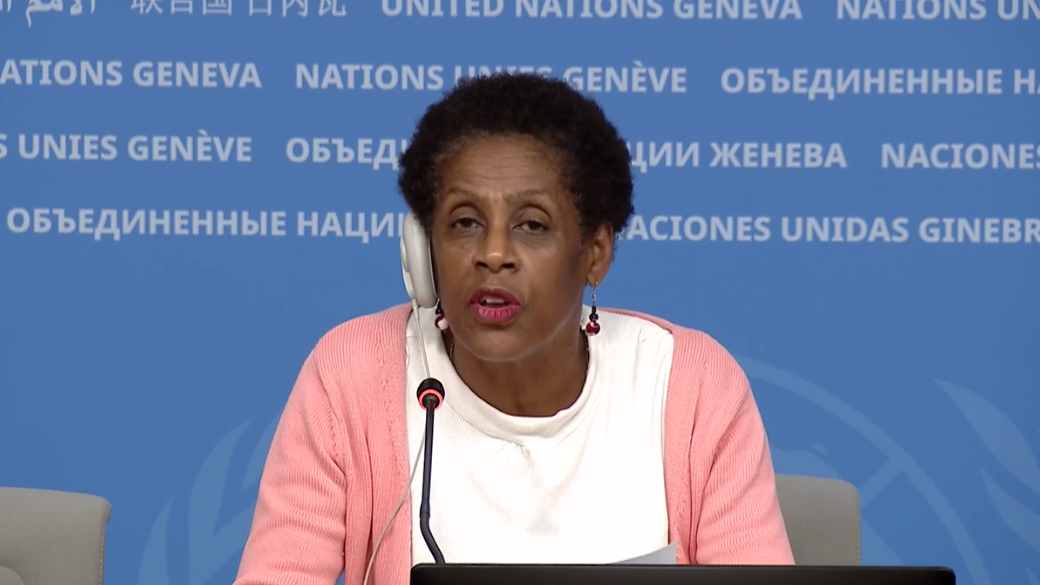
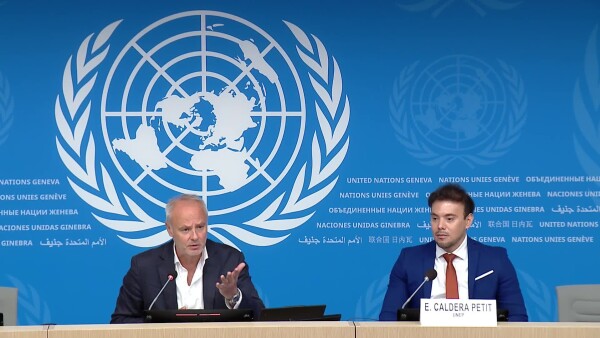
ترأس دانيال جونسون، الرئيس المؤقت لقناة الأمم المتحدة التلفزيونية والإذاعية والبث عبر الإنترنت، خدمة المعلومات التابعة للأمم المتحدة (UNIS) في جنيف، المؤتمر الهجين الذي حضره المتحدثون والممثلون عن المفوضية السامية للاجئين التابعة للأمم المتحدة، منظمة العمل الدولية، صندوق الأمم المتحدة للطفولة، برنامج الأغذية العالمي، منظمة الصحة العالمية والمنظمة الدولية للهجرة.
أزمة في الشرق الأوسط
قال جيمس إيلدر نيابة عن صندوق الأمم المتحدة للطفولة (UNICEF) إنه إذا استمر انحصار وقلة إمكانية الأطفال في قطاع غزة في الوصول إلى المياه والصرف الصحي، فسيكون هناك زيادة مأساوية - ولكنها يمكن تجنبها تمامًا - في عدد الأطفال الذين يموتون.
كما أنه الآن يمطر في غزة. يواجه الأطفال تهديدًا خطيرًا بانتشار الأمراض الوبائية بشكل كبير. سيكون ذلك قاتلاً.
كان عتبة الطوارئ للحد الأدنى من كمية المياه للشخص الواحد في اليوم - سواء في ظروف الحرب أو الجوع - 15 لترًا. وهذا يعني الشرب والتنظيف والطهي - كلها أمور حرجة لمنع الأمراض المنقولة بالمياه والأمراض الأخرى. كانت هناك أجزاء من غزة، خاصة الشمال، حيث يوجد حوالي 700،000 شخص، حيث يكافح الناس للوصول إلى أقل من ثلاثة لترات في اليوم. في بعض الأيام، لم يتمكنوا من الوصول إلى أي شيء على الإطلاق.
السيطرة على الوقود والوصول إلى المياه يعني السيطرة على ما إذا كان الآلاف - ربما عشرات الآلاف - من الأطفال سيعيشون أم يموتون. وقد قتل أكثر من 5،350 طفلاً فلسطينياً بالفعل. كان عدد الوفيات بين الأطفال مثيرًا للغثيان. كان الحزن يتجذر في غزة. بدون وقود كافٍ، بدون مياه كافية، ستنخفض الظروف للأطفال بشكل كبير.
في الوقت نفسه، لا يزال هناك على الأقل 30 طفلاً إسرائيليًا محتجزين في مكان ما في هذا الجحيم. يجب أن يتم الإفراج عنهم. كان من المقزز التفكير في خوفهم؛ العذاب الذي تتحمله عائلاتهم. يجب أن ينتهي الأمر.
تم تفاقم الإمكانية لفقدان الحياة بشكل كبير في غزة بسبب حقيقة أن حوالي 800،000 طفل في غزة كانوا نازحين. كانوا يبحثون بيأس - وغالباً ما يبحثون بلا جدوى - عن مأوى آمن في ملاجئ مكتظة. في المتوسط، كان هناك وحدة دش واحدة لكل 700 شخص في ملاجئ الأونروا، ومرحاض واحد لكل 150 شخص. كانت الطوابير تستغرق ساعات. بدون ما يكفي من الوقود، سنشهد انهيار خدمات الصرف الصحي.
كانت هذه عاصفة مثالية لانتشار الأمراض، عاصفة مثالية للمأساة: نقص ماساوي في المياه؛ مواد البراز المنتشرة في المستوطنات المكتظة بالسكان؛ نقص غير مقبول في المراحيض؛ قيود شديدة على غسل اليدين والنظافة الشخصية والتنظيف. بالفعل، كان هناك ما يقرب من 10 أضعاف المتوسط الشهري للحالات المبلغ عنها من الإسهال بين الأطفال دون سن 5 عامًا، بالإضافة إلى زيادة في حالات الجرب والقمل وجدري الدجاج والطفح الجلدي والعدوى التنفسية.
كان من الضروري أن تسمح السلطات بتوريد مواد ومعدات المياه والصرف الصحي للإصلاح الطارئ وتشغيل الخدمات الحرجة للمياه والصرف الصحي بما في ذلك الإنتاج والمعالجة والتوزيع. كما كان عليهم أن يوفروا على الفور وبشكل آمن وغير معوق الوصول إلى إمداد يومي من الوقود يلبي جميع الاحتياجات لتشغيل المرافق الحرجة للمياه والصرف الصحي. وكان هناك حاجة ماسة إلى وقف إطلاق النار الإنساني، والوصول الإنساني الآمن وغير المعوق، والإفراج الفوري والآمن عن جميع الأطفال المختطفين.
بدون هذه الأمور، ستشاهد العالم اللامبالي وفاة عدد لا يحصى من الأطفال في غزة.
قال دانيال جونسون، الرئيس المؤقت لقناة الأمم المتحدة التلفزيونية والإذاعية والبث عبر الإنترنت، خدمة المعلومات التابعة للأمم المتحدة (UNIS) في جنيف، إن المتحدث باسم الأمين العام قد قال إن السلطات الإسرائيلية سمحت بدخول 70،000 لتر من الوقود يوميًا من مصر، وهو رقم جيد على الرغم من أنه يبقى دون الاحتياجات الدنيا للعمليات الإنسانية الأساسية. وقد أخبر مايكل ريان، المدير التنفيذي لبرنامج الطوارئ الصحية في منظمة الصحة العالمية، مجلس الأمن بأن أيًا من المستشفيات الـ 36 في غزة لم يكن قادرًا على علاج المرضى النقليين الحرجين أو إجراء الجراحة.
قال عارف حسين، الاقتصادي الأول في برنامج الأغذية العالمي (WFP)، إن WFP كانت تحاول الإجابة على أسئلة أساسية تتعلق بالأزمة. حوالي 2.2 مليون شخص في غزة بحاجة إلى مساعدة غذائية. كان هناك 1.6 مليون شخص نازح داخليًا، أو 70 في المائة من سكان غزة. تأثر أكثر من مليون طفل بالأزمة. كان هناك أكثر من 11،078 حالة وفاة فلسطينية، منها 68 في المائة من النساء والأطفال. تم الإبلاغ عن اختفاء 6،000 شخص، بما في ذلك 4،000 طفل، وقد يكونون محاصرين تحت الأنقاض.
منذ 7 أكتوبر حتى الأسبوع الماضي، وصلت 457 شاحنة إلى غزة. كان ذلك مجرد 15 في المائة مما كان مطلوبًا. أغلقت معظم المخابز، ولم تكن هناك أي مخابز تعمل في شمال غزة، بسبب تدمير البنية التحتية ونقص الطاقة والمياه. كانت التضخم الشهري في قطاع غزة 12 في المائة في أكتوبر. تضاعفت أسعار مياه الشرب في قطاع غزة خلال شهر واحد؛ أسعار دقيق القمح بنسبة 65 في المائة؛ أسعار الخضروات بنسبة 32 في المائة؛ وأسعار الفواكه الطازجة بنسبة 27 في المائة.
لم يتلقى النازحون داخليًا في شمال غزة مياه الشرب المعبأة في زجاجات منذ أكثر من أسبوع، مما يثير مخاوف خطيرة بشأن الجفاف والأمراض المنقولة بالمياه نتيجة استهلاك المياه من مصادر غير آمنة.
اعتمدت غزة والضفة الغربية على التحويلات المالية. استخدام هذه التحويلات مقيد الآن بشدة. فقد فقد أكثر من 60 في المائة من فرص العمل في غزة منذ بدء الصراع، ما يعادل 182،000 وظيفة. كان الصراع في غزة يؤثر أيضًا على الضفة الغربية، حيث فقد حوالي 24 في المائة من الوظائف، ما يعادل 208،000 وظيفة، خلال نفس الفترة. تحولت خسائر الوظائف في غزة والضفة الغربية إلى خسائر يومية في الدخل العمالي بقيمة 16 مليون دولار أمريكي. لم يتمكن 625،000 طالب من الوصول إلى التعليم.
قدمت WFP مساعدات غذائية طارئة وقسائم إلكترونية لأكثر من 764،000 شخص في غزة والضفة الغربية - لـ 704،000 في غزة ولـ 60،000 في الضفة الغربية. شمل هذا العدد حوالي 550،000 نازح في ملاجئ الأمم المتحدة المعينة، الذين تلقوا حتى الآن خبزًا طازجًا وقضبان تمر أو سمك معلب. كان من الضروري أن تصل باستمرار إلى 1.1 مليون شخص في الأيام الـ 60 القادمة. للقيام بذلك، كانت تحتاج إلى سلاسل توريد عملية منتظمة. كانت تحتاج إلى نقاط دخول إضافية ومستمرة لتقديم المساعدات. إذا كانت لديها هذه الأمور، يمكنها إنقاذ الأرواح. كما كانت تحتاج أيضًا إلى دعم من المانحين - 314 مليون دولار أمريكي ل
Similar Stories
1
1
1
Press Conferences | IOM , UNDRR
UN stresses importance of household preparedness for disaster risk reduction.
1
1
1
Statements , Press Conferences | OHCHR
1
1
1
Press Conferences | UNHCR , UNICEF , IFRC , OHCHR , UN WOMEN , IOM , OCHA , WHO
UNHCR – ExCom Meeting, UNICEF – Nepal Recovery, IFRC – Flash Floods, WHO – Mental Health, IOM – South Sudan Floods, OCHA – DRC Humanitarian aid, UNHCR – Sahel Displacement, UNICEF – Yemen Update, IOM – Gaza Shelter, UN Women – Gaza Women, OHCHR – Arrests and detentions of Syrians by Israeli force
2
1
2
Press Conferences | UNCTAD
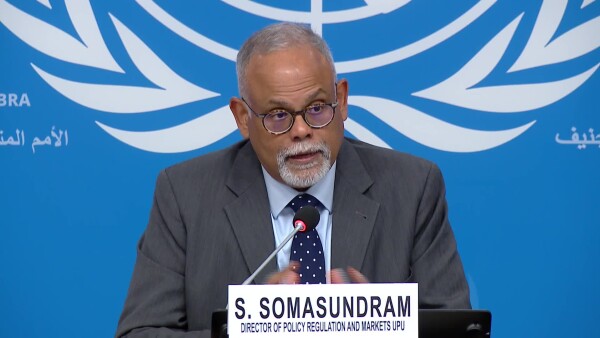
Presentation of the Trade and Developement Report 2026
Embargoed until 9 October 2026 at 11 a.m. (Geneva Time)
UNCTAD: UNCTAD’s flagship report finds that governments increasingly use industrial, trade, financial and technology policies to pursue economic and national security objectives. Market access and the ability to move into higher-value activities now depend more heavily on technology, finance and geopolitics.
1
1
1
Press Conferences | UPU
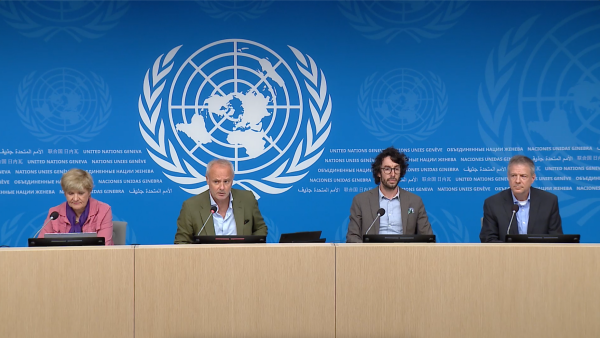
Release of the State of the Postal Sector Report 2026
1
1
1
Press Conferences | IOM , ITU , UNECE , UNICEF , WHO , WMO
UNICEF: Ebola, DRC - children orphans or separating them from parents and caregivers; IOM: Humanitarian needs in Djibouti amid arrivals from Yemen and increased migrant movements; WHO: Darfur, scale of health needs far exceeds available resources; WMO co-sponsored Global Heat Forum, Bangkok, monthly Global Seasonal Climate Update; UNECE: UN Forum of Mayors; ITU Plenipotentiary Conference 2026; WHO: child and adolescent obesity guidelines and new global roadmap to tackle pregnancy hypertension, a leading cause of maternal mortality
1
1
1
Press Conferences | OCHA , UN WOMEN , UNHCR , WFP , WHO , WTO , UNEP
OCHA – $160M CERF allocation to 12 underfunded crises; UNHCR – 5.8M refugee children remain out of school amid funding cuts; UN Women – Middle East escalation and food security among women/girls; WHO – Gaza supplies and overall situation; WFP – Yemen food insecurity and impact on global hunger ; UNEP - First International Conference of the Global Framework on Chemicals in Geneva | 16-20 November 2026
1
1
1
Press Conferences | UNHCR , WHO
Yemen's health system nears collapse amid conflict, causing rising casualties and medicine shortages.
1
1
1
Press Conferences | HRC
Update by the Expert Mechanism to Advance Racial Justice and Equality in Law Enforcement
1
1
1
Press Conferences | WIPO , WHO , UNICEF , UNHCR , IOM , WFP , FAO
WIPO Global Innovation Index 2026 launch and press conference, WHO Composition of influenza vaccines for the 2027 Southern Hemisphere flu season, UNICEF Yemen hunger and malnutrition; UNHCR Sudan displacement into Chad; IOM Ebola and population movements in DRC; WFP emergency food assistance in Nepal; and FAO food loss and waste.
2
1
2
Press Conferences | UNCTAD
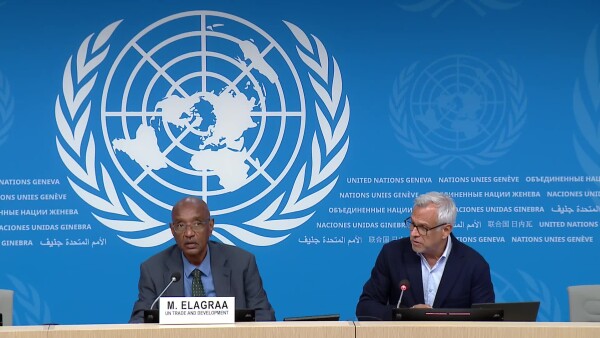
Gaza reconstruction needs reach $71.5 billion as Palestinian economy and public finances face severe strain. Latest UNCTAD report documents the loss of decades of development gains, economic collapse in Gaza and tightening economic constraints in the West Bank.
The report identifies three immediate priorities: transferring withheld Palestinian revenues, safeguarding the banking system and aligning reconstruction support with the documented scale of damage and economic losses.
1
1
1
Press Conferences | HRC
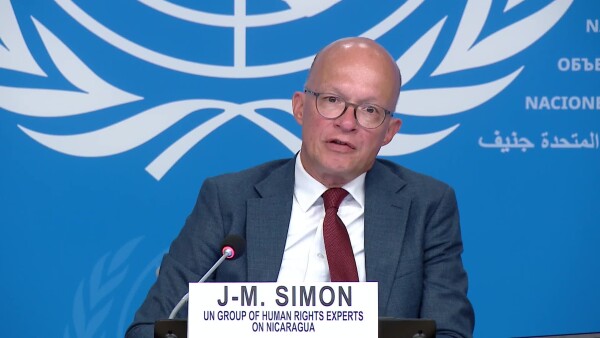
Press conference on the situation of human rights in Nicaragua by the UN Group of Human Rights Experts