

The United Nations Office at Geneva
Multimedia Newsroom
Edited News , Press Conferences | UNHCR , WHO , UNOG , WMO
UNOG Bi-weekly press briefing - Deadly Flooding In Europe WMO 16 July 2021
Armed group attacks displace civilians in eastern Democratic Republic of the Congo
Babar Baloch, for the United Nations Refugee Agency (UNHCR), said that the UNHCR was calling for urgent and enhanced measures to protect civilians in eastern Democratic Republic of the Congo (DRC), where a series of recent attacks by an armed group had displaced nearly 20,000 people in North Kivu province.
Since 22 June, the Allied Democratic Forces (ADF) were alleged to have brutally killed at least 14 people and injured many others in and around the city of Beni. Several properties had been looted, and others burned to the ground. This was the first attack in two years by the ADF on the city, and the group’s resurgence was terrorizing the lives of inhabitants.
Mr. Baloch stressed that there was a sense of panic and anxiety among the community, as well as a lack of confidence in security forces given the high expectations of improved security conditions following the new measures. Nearly two million people had been uprooted by insecurity and violence in North Kivu province alone over the past two years. UNHCR and its partners were supporting local authorities to register forcibly displaced families and assess and respond to their needs.
Responding to journalists’ questions, Mr. Baloch stated that this population had been going through ordeals over the previous two years. UNHCR had been pleading for a while that civilians in North Kivu needed protection. Many killings had been attributed to the ADF. Where there was no military presence, armed groups staged comebacks, looting houses, killing, and injuring local people. The motives of the ADF were hard to grasp, but their actions had led to the deaths of hundreds of people.
More resources were urgently needed, stressed Mr. Baloch, as UNHCR’s appeal for its DRC operations of USD 205 million was only 36 per cent funded.
UNHCR briefing note is available here.
Following a question, Ms. Vellucci referred to a recent statement by the UN peacekeeping operation in the country, MONUSCO.
Extreme weather: floods, fires, heatwaves
Clare Nullis, for the World Meteorological Organization (WMO), stated that heavy rainfall had triggered devastating flooding causing dozens of casualties in Western Europe, with Germany and Belgium worst affected. At the same time, parts of Scandinavia were enduring a lasting heatwave, and smoke plumes from Siberia had affected air quality across the international dateline in Alaska. The unprecedented heat in Western North America had also triggered devastating wildfires.
Some parts of Western Europe had received up to two months’ worth of rainfall in only two days on soils that had already been near saturation. Authorities had reported dozens of dead, with many more missing; those were all developed countries with advanced disaster warning systems, stressed Ms. Nullis. In Switzerland, water levels were described as critical, particularly in the central parts of the country, affecting local infrastructure and tourism.
Meanwhile, Northern Europe had been gripped by an extended heatwave. Finland, for example, had its warmest June on record. The Gulf of Finland in the Baltic Sea was record-warm, up to 26.6°C on 14 July, the warmest since records began 20 years ago.
Ms. Nullis added that Western regions of the United States of America and Canada had also been gripped by heat, with many records broken in the most recent heatwave the previous weekend. Death Valley, California had reported temperature of 130°F/54.4°C on 9 July, according to the US National Weather Service. The US National Weather Service was once again warning of excessive heat in Northwest Pacific which had been hit by the end of June heatwave.
Experts say that climate change was already increasing the frequency of extreme weather events, and many single events had been shown to have been made worse by global warming.
The record-breaking heatwave in parts of the US and Canada at the end of June would have been virtually impossible without the influence of human-caused climate change. As the atmosphere was getting warmer, it held more moisture which meant it would rain more during storms, increasing the risk of floods.
In her answers to questions posed by journalists, Ms. Nullis said that there was a need to step up climate action and climate ambitions because the world was off track to reach the Paris Agreement targets. Early warning systems in Europe were advanced, but it was not always clear that people heeded such warnings. There was also more that could be done to better prepare and adjust to climate change. Ms. Nullis confirmed that records of all sorts were being broken, and that there was indeed a reason for great concern.
Alessandra Vellucci, for the United Nations Information Service (UNIS), referred to the Secretary-General’s condolences to the families of the flood victims in Europe.
COVID-19
Responding to questions from the media, Christian Lindmeier, for the World Health Organization (WHO), stated that the next press briefing bv Dr. Tedros was planned on 21 July. The end of the pandemic was in our hands, stressed Mr. Lindmeier, and vaccines were only one part of the comprehensive approach to fight the pandemic. While there had been less hospitalizations and deaths thanks to the vaccines, infections were now increasing around the world. The Delta variant was circulating in more than 100 countries at the moment. Health care and frontline workers, along with the elderly and the vulnerable, should be the first to be vaccinated. The pandemic had to be fought in every part of the world at the same time.
Mr. Lindmeier said that knowledge transfer was an important factor when it came to an increase in vaccine production around the world; it was not only about passing on patents. Also, not every country had all the logistics for production in place. WHO had been warning for a long time against premature openings; every country ought to consider its own reality and apply a risk-based approach. We were definitely not out of the woods yet.
Geneva announcements
Alessandra Vellucci, for the UN Information Service (UNIS), informed that the High Commissioner for Human Rights had issued a statement on Cuba today. Video messages in English and Spanish would be made available today to interested press.
She also informed that the Human Rights Committee would have a short public meeting this afternoon at 4 pm to consider the progress report of the Rapporteur on follow-up to concluding observations on State party reports. This session of the Committee would close on 23 July.
The Committee against Torture would conclude today at 12:30 its review of the report of Belgium.
The Secretary-General had issued a message calling for an observation of the Olympic truce, said Ms. Vellucci. He had also published a message on the upcoming Nelson Mandela Day, which had been shared with the media.
Tuesday, 20 July, would be an official holiday at UN Geneva, informed Ms. Vellucci, and there will be no press briefing by UNIS Geneva.


Similar Stories
1
12
1
1
Press Conferences , Images | UNOG
Closing Press Conference following the Sixth Consultative Meeting on Enhancing Coordination of Peace Initiatives and Efforts in Sudan
2
17
1
2
Edited News , Press Conferences , Images | OCHA , WMO
Two UN agencies teamed up on Wednesday to issue an appeal for immediate assistance to help communities already being impacted by the strongest El Niño on record.
3
16
2
2
Edited News , B-roll , Conferences , Images | UNITED NATIONS , UNOG
Sixth Consultative Meeting on Enhancing Coordination of Peace Initiatives and Efforts for Sudan
1
1
1
Press Conferences | CITES
Wildlife trade and conservation policy discussions at the 81st meeting of the CITES Standing Committee (SC81)
1
1
1
Edited News | UNICEF , WHO , UNHCR
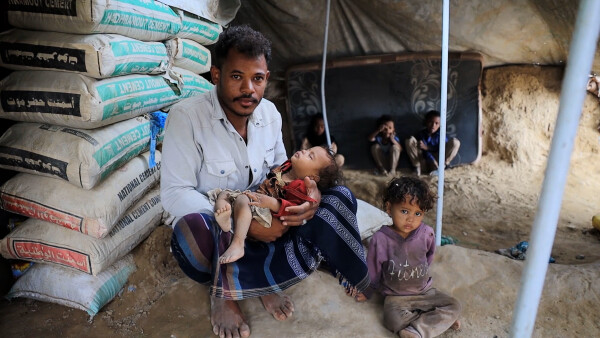
Yemen war continues to force families from homes amid hunger and disease
More than 250,000 people have now fled renewed fighting in Yemen, the UN said on Tuesday, citing particular concern for those sheltering in the southwestern city of Taiz and the wider governorate, where access is “essentially blocked”.
1
1
1
Press Conferences | UNHCR , UNCTAD , WMO , OCHA , UNICEF , WHO
UNHCR Hungary’s 1956 Refugee Crisis: 70 Years On, UNCTAD World Investment Forum 2026, Doha, WMO Greenhouse Gas Bulletin and Climate Update for COP31, OCHA Afghanistan: Malnutrition, Girls’ Education and Recovery, UNICEF Yemen: Child Malnutrition and Unsafe Water in Taiz, WHO Inequalities in Noncommunicable Diseases and Risk Factors
1
1
1
Press Conferences | UNHCR
End of UNHCR's 77th Annual Executive Committee (ExCom) meeting week
1
1
1
Edited News | UNICEF
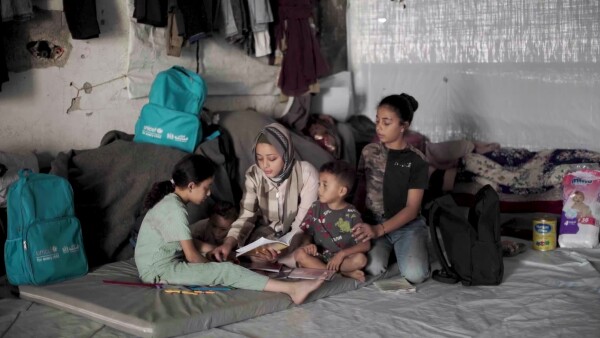
A little over one year since a ceasefire agreement was announced between Hamas fighters and Israel, more than 340 children have been reported killed and hundreds more injured, the UN Children’s Fund, UNICEF, said on Friday.
1
1
1
Press Conferences | UNICEF , IOM , UNHCR
UN Special Assistant to the Personal Envoy Office (SUDAN): Peace Initiatives and Efforts in Sudan; UNICEF: Dire situation of children in Gaza; IOM: Damaged Homes and Energy Attacks Risk Displacing Ukrainians for this winter; UNHCR: update on EXCOM week
1
1
1
Press Conferences | IOM , UNDRR
UN stresses importance of household preparedness for disaster risk reduction.
1
1
1
Edited News | UNICEF , IFRC
Six weeks after Nepal’s deadly flooding disaster, communities are still struggling to rebuild their lives, but they will need sustained help as global warming increases the risk of another Himalayan catastrophe, the UN Children’s Fund (UNICEF) said on Friday.
1
1
1
Statements , Press Conferences | OHCHR