

The United Nations Office at Geneva
Multimedia Newsroom
Edited News | OHCHR
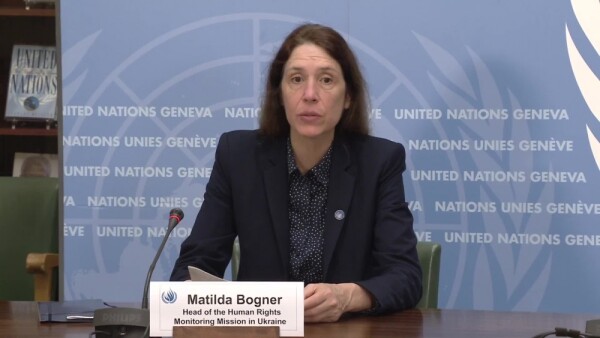
UN Human Rights Briefing by Matilda Bogner head of the UN Human Rights monitoring mission in Ukraine
STORYLINE
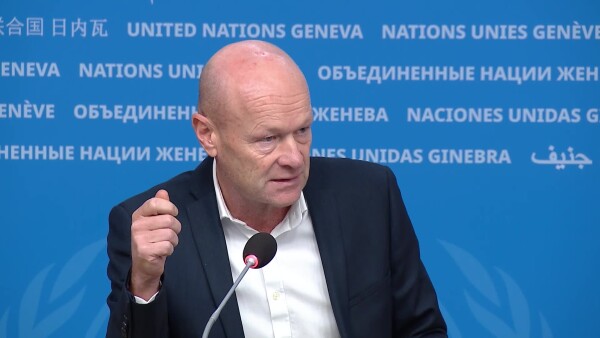
At the bi-weekly press briefing on Tuesday, Matilda Bogner, Head of the UN Human Rights Monitoring Mission in Ukraine, briefed journalists on the violations perpetrated in the past two months in Ukraine.
“Since 24 February, the United Nations Human Rights Monitoring Mission in Ukraine has been documenting serious violations of international humanitarian law and gross violations of human rights law in the country. Many of these allegations concern violations that may amount to war crimes,” Bogner said.
Last week, Matilda Bogner and her colleagues visited 14 towns in the Kyiv and Chernihiv regions that were occupied by Russian Armed Forces until the end of March.
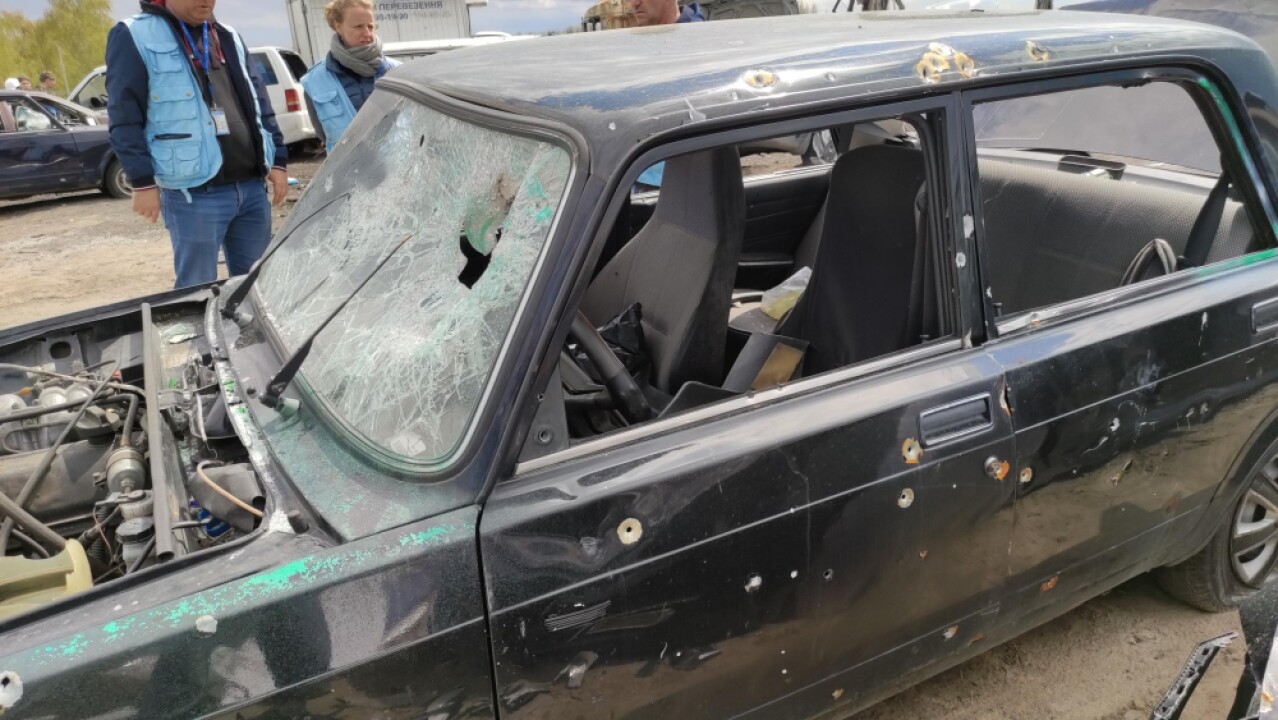
“People told us of relatives, neighbours and friends killed, injured, detained and disappeared. In Makariv, a family of five was shot at by Russian armed forces as they tried to leave with their neighbours by car. Sadly, only two members of the family survived,” she added.
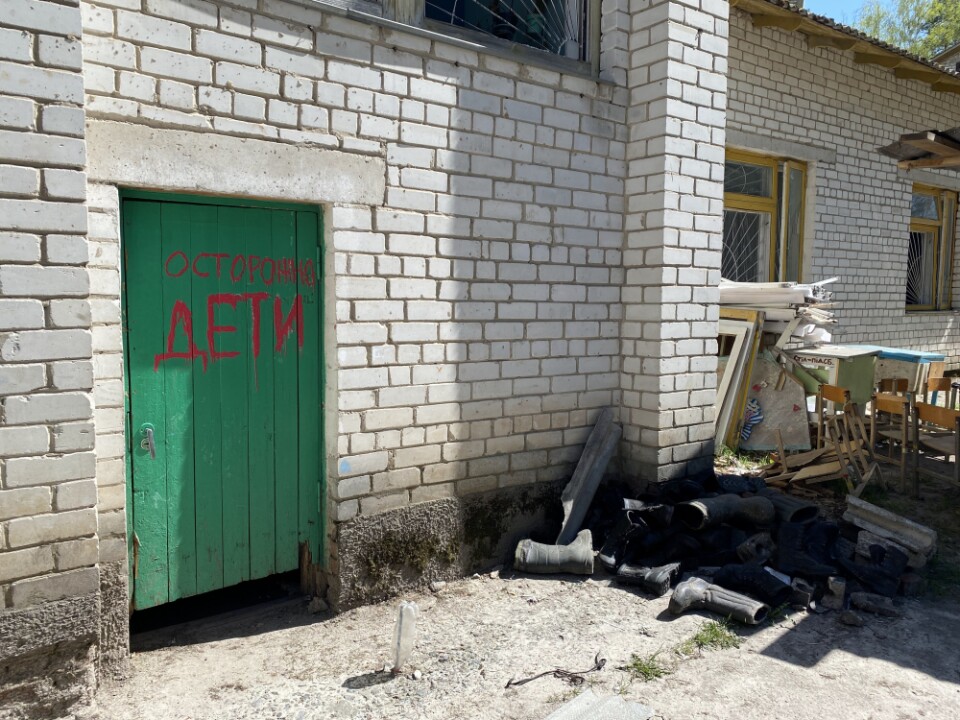
“In the village of Yahidne in Chernihiv region, we met a 70-year-old man who spent 24 days in the basement of a local school. Again, you can see that here that is the door that says: be careful there are children inside. That was the entrance to the basement where he was located. He told us with tears in his eyes that he shared a 76 square metre room with 138 other people, the youngest was just two months old. The space was so crowded that he had to sleep standing up and so tied himself to wooden rails so as not to fall down,” Bogner said.
“In Bucha and other settlements to the north of Kyiv that were occupied by Russian armed forces, we have reports of the unlawful killing of over 300 men, women and children. Unfortunately, these numbers will continue to grow as we visit more areas,” she said.
To date, the Human Rights Monitoring Mission in Ukraine has corroborated 7,061 civilian casualties, with 3,381 killed and 3,680 injured across the country since the beginning of the armed attack by the Russian Federation. The actual figures are higher, and the Mission is working to corroborate every single incident.
“We continue to receive allegations of rape, including gang rape, attempted rape, forced nudity, threats of sexual violence against civilian women and girls, men and boys. Women and girls are the most frequently cited victims. During my recent visit to towns north of Kyiv, we documented a number of cases of sexual violence. A Russian soldier raped and killed a woman in one town that we visited. The same soldier then attempted to rape the woman’s neighbour. Her husband intervened but was then shot in the stomach by the soldier. He later died,” she said.
“In general, however, we found that victims of sexual violence and their families and friends are reluctant to speak due to stigma. The wishes of victims, who are usually women and girls, must be respected. Over time the scale of these violations will become clearer,” Bogner added.
Throughout Ukraine, the hostilities have damaged at least 50 Christian, Jewish and Muslim places of worship of different denominations. More than half of the buildings have been destroyed and cannot be used anymore.
The high number of civilian casualties and the extent of destruction and damage to civilian objects strongly suggest violations of the principle of distinction, the prohibition of indiscriminate attacks, the principles of proportionality and precaution.
Since 24 February, the Monitoring Mission has documented 204 cases of enforced disappearance (169 men, 34 women, 1 boy), the overwhelming majority of them by Russian armed forces and affiliated armed groups.
“We have received credible information of torture, ill-treatment and incommunicado detention by Ukrainian Armed Forces against prisoners of war from Russian armed forces and affiliated armed groups. We continue to see the publication of videos, which show inhumane treatment, including prisoners from both sides being coerced to make statements, apologies and confessions, and other forms of humiliation. This violates fundamental rules of international humanitarian law. Ukraine and Russia must promptly and effectively investigate all allegations of torture and ill-treatment of prisoners of war. They must also effectively control and instruct their forces to stop any further violations from occurring,” Bogner stressed.
For more information and media requests, please contact: Ravina Shamdasani + 41 22 917 9169/ravina.shamdasani@un.org or Liz Throssell + 41 22 917 9296 / elizabeth.throssell@un.org
Tag and share - Twitter: @UNHumanRights and Facebook: unitednationshumanrights
SHOTLIST
- Exterior shot: medium shot entrance of Palais des Nations
- Wide Shot: briefing room podium
- SOUNDBITE (English) – Matilda Bogner, Head of the UN Human Rights Monitoring Mission in Ukraine: “Since 24 February, the United Nations Human Rights Monitoring Mission in Ukraine has been documenting serious violations of international humanitarian law and gross violations of human rights law in the country. Many of these allegations concern violations that may amount to war crimes.”
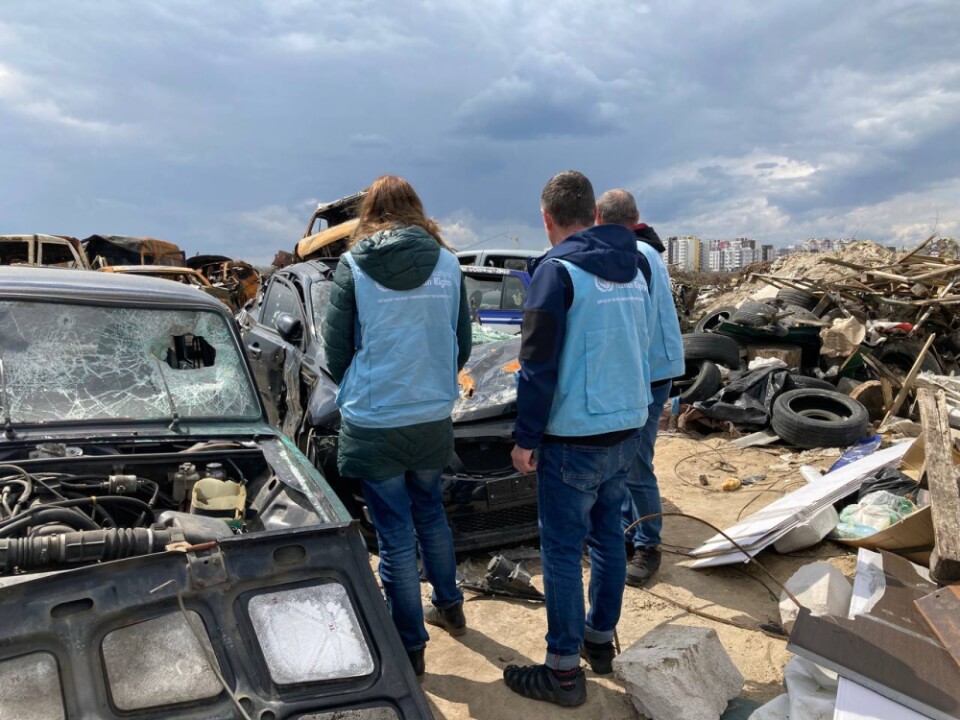
- Two still pictures: Damaged cars in a yard in Bucha, where local authorities collect all damaged civilian cars and military vehicles. (30/04/22 ©OHCHR)
- SOUNDBITE (English) – Matilda Bogner, Head of the UN Human Rights Monitoring Mission in Ukraine: “People told us of relatives, neighbours and friends killed, injured, detained and disappeared. In Makariv, a family of five was shot at by Russian armed forces as they tried to leave with their neighbours by car. Sadly, only two members of the family survived.”
- Wide shot: Briefing room
- Still picture: Caption: Enter to the basement of the school in Yahidne, Chernyhiv Region. “Caution, children are in here” is written on the door. (04/05/22©OHCHR)
- SOUNDBITE (English) – Matilda Bogner, Head of the UN Human Rights Monitoring Mission in Ukraine: “In the village of Yahidne in Chernihiv region, we met a 70-year-old man who spent 24 days in the basement of a local school. Again, you can see that here that is the door that says: ‘be careful there are children inside’. That was the entrance to the basement where he was located. He told us with tears in his eyes that he shared a 76 square metre room with 138 other people, the youngest was just two months old. The space was so crowded that he had to sleep standing up and so tied himself to wooden rails so as not to fall down.”
- Cut away: Briefing room
- SOUNDBITE (English) – Matilda Bogner, Head of the UN Human Rights Monitoring Mission in Ukraine: “In Bucha and other settlements to the north of Kyiv that were occupied by Russian armed forces, we have reports of the unlawful killing of over 300 men, women and children. Unfortunately, these numbers will continue to grow as we visit more areas.”
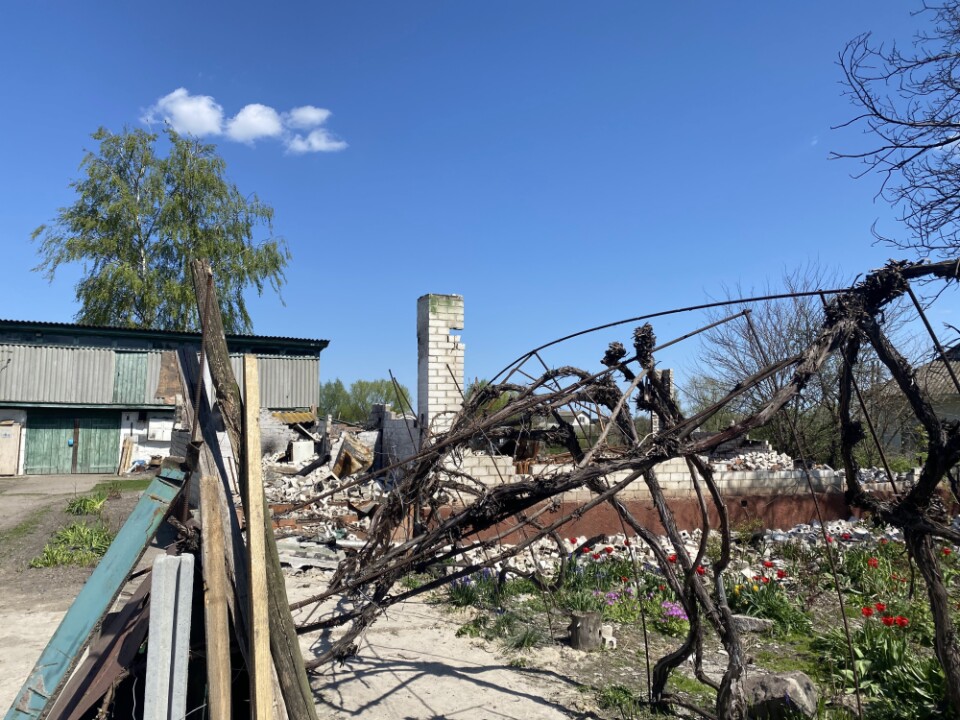
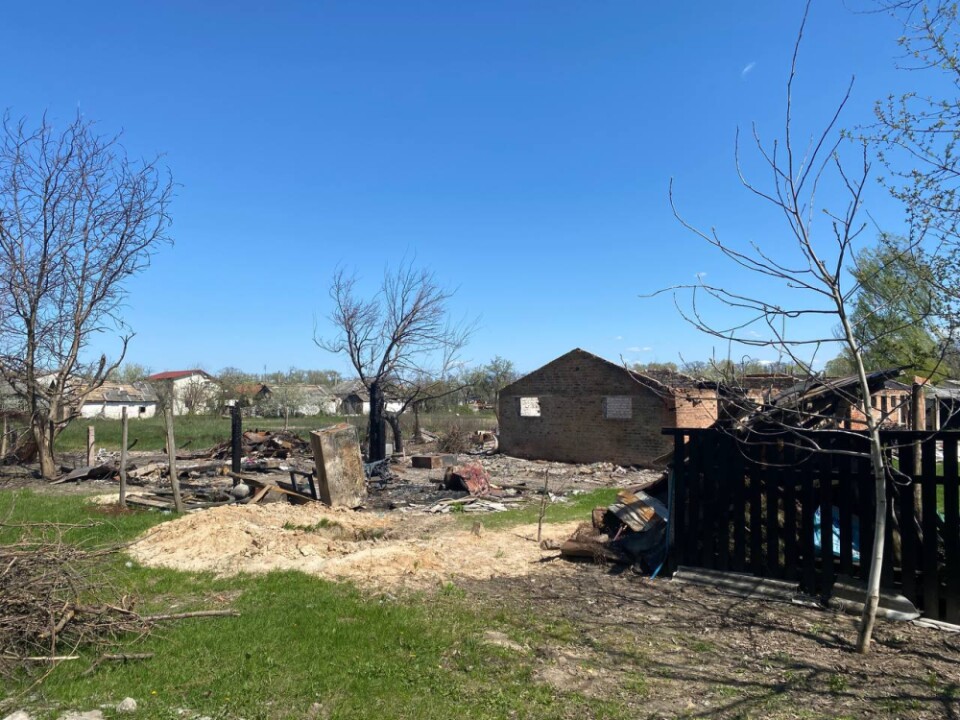
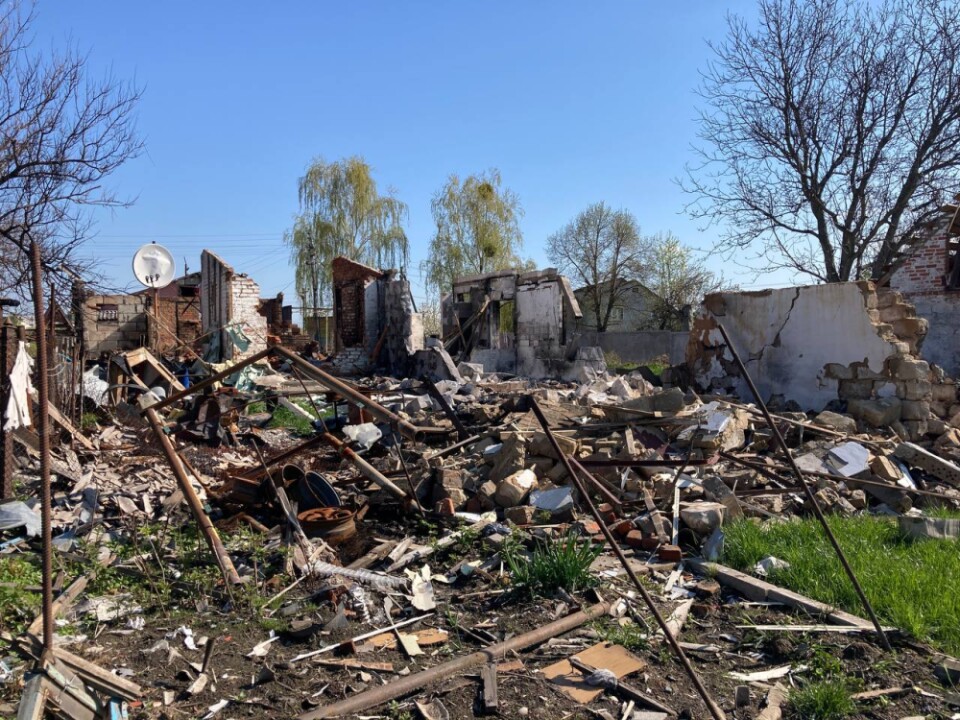
- Still picture: Caption: A destroyed house in Yahidne, Chernyhiv Region (04/05/22©OHCHR)
- SOUNDBITE (English) – Matilda Bogner, Head of the UN Human Rights Monitoring Mission in Ukraine: “We continue to receive allegations of rape, including gang rape, attempted rape, forced nudity, threats of sexual violence against civilian women and girls, men and boys. Women and girls are the most frequently cited victims. During my recent visit to towns north of Kyiv, we documented a number of cases of sexual violence. A Russian soldier raped and killed a woman in one town that we visited. The same soldier then attempted to rape the woman’s neighbor. Her husband intervened but was then shot in the stomach by the soldier. He later died.”
- Medium shot: Podium
- SOUNDBITE (English) – Matilda Bogner, Head of the UN Human Rights Monitoring Mission in Ukraine: “In general, however, we found that victims of sexual violence and their families and friends are reluctant to speak due to stigma. The wishes of victims, who are usually women and girls, must be respected. Over time the scale of these violations will become clearer.”
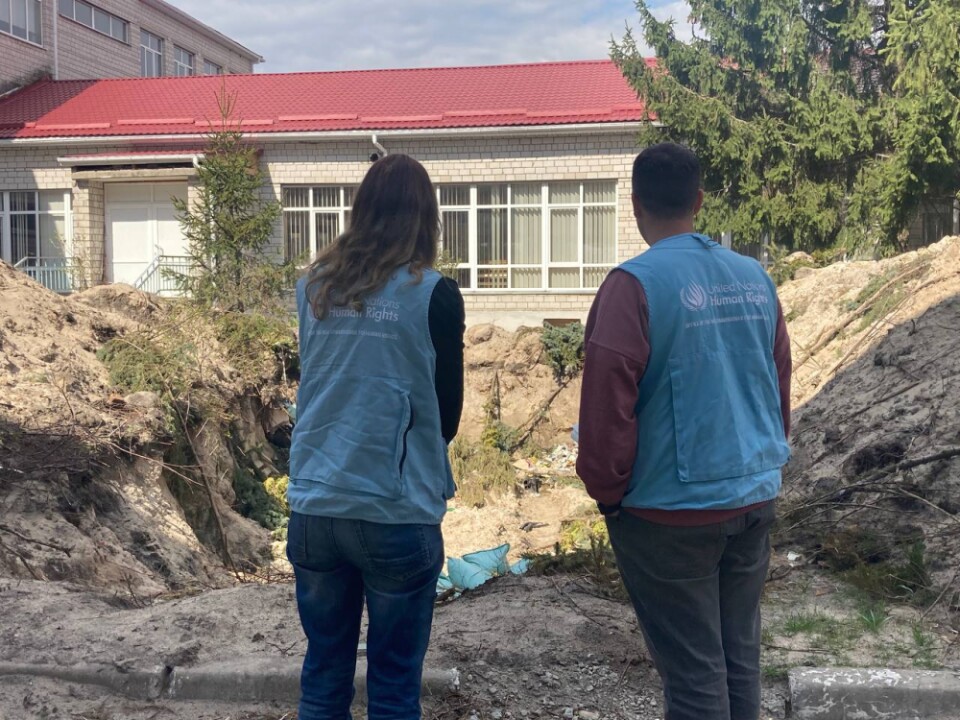
- Still picture: Caption: A military vehicle dugout next to the school in Katiuzhanka, Kyiv Region. (29/04/22©OHCHR)
- SOUNDBITE (English) – Matilda Bogner, Head of the UN Human Rights Monitoring Mission in Ukraine: “We have received credible information of torture, ill-treatment and incommunicado detention by Ukrainian Armed Forces against prisoners of war from Russian armed forces and affiliated armed groups. We continue to see the publication of videos, which show inhumane treatment, including prisoners from both sides being coerced to make statements, apologies and confessions, and other forms of humiliation. This violates fundamental rules of international humanitarian law. Ukraine and Russia must promptly and effectively investigate all allegations of torture and ill-treatment of prisoners of war. They must also effectively control and instruct their forces to stop any further violations from occurring.”
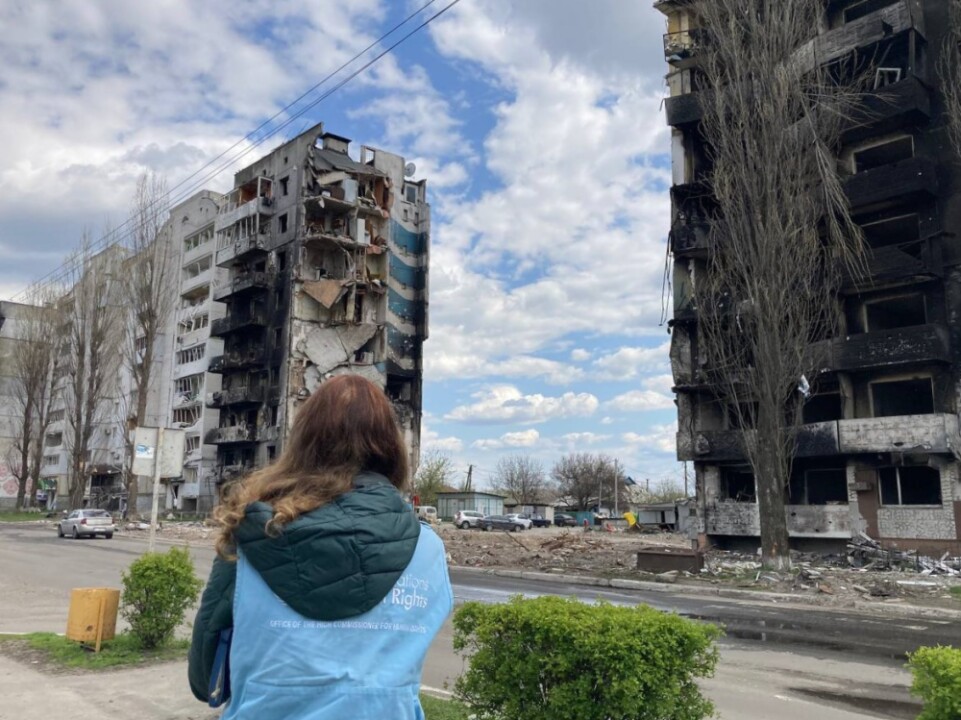
- Still picture: Caption:A destroyed apartment block in Borodianka, Kyiv Region (01/05/22©OHCHR)
Similar Stories
1
1
1
Edited News | OCHA , UNICEF , WFP
Aid agencies warned on Friday of the fast-developing humanitarian emergency inside Taiz City in Yemen, which has been encircled by de facto Houthi forces fighting government troops along the country’s west coast.

2
17
1
2
Edited News , Press Conferences , Images | OCHA , WMO
Two UN agencies teamed up on Wednesday to issue an appeal for immediate assistance to help communities already being impacted by the strongest El Niño on record.

3
16
2
2
Edited News , B-roll , Conferences , Images | UNITED NATIONS , UNOG
Sixth Consultative Meeting on Enhancing Coordination of Peace Initiatives and Efforts for Sudan

1
1
1
Edited News | UNICEF , WHO , UNHCR
Yemen war continues to force families from homes amid hunger and disease
More than 250,000 people have now fled renewed fighting in Yemen, the UN said on Tuesday, citing particular concern for those sheltering in the southwestern city of Taiz and the wider governorate, where access is “essentially blocked”.

1
1
1
Edited News | UNICEF
A little over one year since a ceasefire agreement was announced between Hamas fighters and Israel, more than 340 children have been reported killed and hundreds more injured, the UN Children’s Fund, UNICEF, said on Friday.

1
1
1
Edited News | UNICEF , IFRC
Six weeks after Nepal’s deadly flooding disaster, communities are still struggling to rebuild their lives, but they will need sustained help as global warming increases the risk of another Himalayan catastrophe, the UN Children’s Fund (UNICEF) said on Friday.

1
1
1
Edited News | WHO
In suspected Russia plague death, testing and monitoring underway – WHO
The death of a lab worker in Russia’s Siberia region has sparked concerns about plague being the cause, the UN World Health Organization (WHO) said on Tuesday, adding that it was following the situation closely.

1
1
Edited News | OHCHR , UNOG
UN Human Rights Chief Volker Türk on Friday provided and oral update to the 63rd session of the Human rights Council on Ukraine.

1
1
1
Edited News | OHCHR , UNOG
UN Human Rights Chief Volker Türk on Friday provided and oral update to the 63rd session of the Human rights Council on the human rights situation in Haiti.

1
1
1
Edited News | WHO
Repeated delays in bringing lifesaving medicines, prosthetics and more from Israel into Gaza risk having devastating consequences on Palestinians who urgently need them in the wartorn enclave, the UN World Health Organization (WHO) said on Friday. “A truck full of non-priority supplies or the right supplies arriving too late, doesn't save lives. That's the question that actually matters," said Dr Reinhilde Van De Weerdt, WHO Representative in the OPT.

1
1
1
Edited News | WHO
DRC: Early access to care and oxygen decisive for Ebola patients’ survival – WHO
In the Democratic Republic of the Congo (DRC), health workers fighting the country’s largest-ever Ebola outbreak are struggling to overcome critical challenges to patient care, the UN World Health Organization (WHO) warned on Tuesday.

1
1
1
Edited News | OCHA , UN
Civilians in Iran are continuing to feel the consequences of months of conflict and military escalation, the UN’s top official in the country has said, as loss of life, damage to civilian infrastructure and mounting economic pressures leave many facing continued uncertainty.