

The United Nations Office at Geneva
Multimedia Newsroom
Press Conferences | WHO , OCHA , UNHCR , IFRC , WMO , FAO
Conférence de presse de l'ONU à Genève - 3 mai 2024
CONFÉRENCE DE PRESSE DE L'ONU À GENÈVE
3 mai 2024
OMS : Mise à jour sur Gaza
Dr Rik Peeperkorn, Représentant de l'OMS dans le Territoire palestinien occupé, parlant depuis Jérusalem, a averti des conséquences sanitaires d'une opération potentielle et imminente à grande échelle à Rafah. Avec plus de 1,2 million de personnes entassées à Rafah, une telle opération aggraverait la catastrophe humanitaire. L'OMS et ses partenaires faisaient des plans d'urgence pour s'assurer que le système de santé soit préparé et puisse continuer à fournir des soins. Malgré ces mesures, le système de santé défaillant ne pourrait pas supporter l'ampleur potentielle de la dévastation que l'incursion causerait.
Une incursion pourrait rendre les trois hôpitaux de Rafah inaccessibles et non fonctionnels, y compris l'Hôpital européen de Gaza : cela aurait un effet domino sur l'ensemble du système de santé, car les patients devraient être transférés vers d'autres hôpitaux déjà surchargés. L'insécurité accrue pourrait également entraver gravement le mouvement des aliments, de l'eau et des fournitures médicales vers et à travers Gaza via les points de passage frontaliers.
Le système de santé survivait à peine et seulement 12 des 36 hôpitaux et 22 des 88 établissements de soins de santé primaires restaient partiellement fonctionnels.
Dans le cadre des efforts de contingence, l'OMS mettait en place un nouvel hôpital de campagne à Al Mawasi (Rafah). L'OMS avait mis en place un grand entrepôt à Deir Al Balah et avait déplacé des fournitures pour garantir un accès rapide et le mouvement des fournitures vers Khan Younis, la zone médiane et le nord de Gaza. Neuf des dix salles d'opération étaient opérationnelles. L'OMS et ses partenaires établissaient également des centres de santé primaires et des points médicaux supplémentaires à Khan Younis et dans la zone médiane.
Dans le nord, une expansion des services était soutenue à Al-Ahli, Kamal Adwan et Al-Awda par des équipes médicales d'urgence et la pré-positionnement des fournitures. Des plans étaient également en cours pour soutenir la restauration de l'Hôpital Amis des Patients, en se concentrant sur les services pédiatriques, et l'expansion des centres de soins de santé primaires et des points médicaux.
La situation alimentaire s'était quelque peu améliorée. La nourriture était plus disponible et plus diversifiée. Cependant, l'OMS avait observé plusieurs cas d'enfants en bas âge gravement malnutris, avec des centaines d'autres cas signalés.
Le Dr Peeperkorn a ensuite discuté des arrangements que l'OMS mettait en place pour permettre aux fournitures médicales d'atteindre Gaza. Il espérait que l'OMS pourrait également bientôt compter sur des achats locaux en Israël et en Cisjordanie.
Pour sa part, le Dr Ahmed Dahir, Chef de l'équipe du sous-bureau de l'OMS à Gaza, parlant depuis Gaza, a déclaré que le système de santé de Gaza survivait à peine. Toute opération contre Rafah bloquerait l'accès au seul hôpital spécialisé dans la dialyse rénale, avec des conséquences potentiellement catastrophiques pour ses plus de 700 patients.
Rolando Gómez a cité les remarques de presse du Secrétaire général à la fin de sa visite à Santiago du Chili, au cours de laquelle M. Guterres a rappelé qu'il avait "appelé constamment à un cessez-le-feu humanitaire urgent (...) et à une augmentation massive de l'aide humanitaire", et a souligné qu'"une attaque militaire sur Rafah serait une escalade insupportable [et] aurait un impact dévastateur sur les Palestiniens à Gaza, avec de graves répercussions en Cisjordanie occupée et dans toute la région". M. Gómez a également mentionné un rapport du Programme des Nations Unies pour le développement, concernant les "Gaza War: Expected Socio-Economic Impacts on the State of Palestine" (2 mai).
En réponse aux questions, le Dr Peeperkorn a déclaré que tout plan de contingence de l'OMS ne pouvait être qu'un "pansement". L'OMS espérait que l'incursion militaire n'aurait pas lieu et qu'un cessez-le-feu prévaudrait.
Similar Stories
1
1
1
Press Conferences | IOM , ITU , UNECE , UNICEF , WHO , WMO
UNICEF: Ebola, DRC - children orphans or separating them from parents and caregivers; IOM: Humanitarian needs in Djibouti amid arrivals from Yemen and increased migrant movements; WHO: Darfur, scale of health needs far exceeds available resources; WMO co-sponsored Global Heat Forum, Bangkok, monthly Global Seasonal Climate Update; UNECE: UN Forum of Mayors; ITU Plenipotentiary Conference 2026; WHO: child and adolescent obesity guidelines and new global roadmap to tackle pregnancy hypertension, a leading cause of maternal mortality
1
1
1
Press Conferences | OCHA , UN WOMEN , UNHCR , WFP , WHO , WTO , UNEP
OCHA – $160M CERF allocation to 12 underfunded crises; UNHCR – 5.8M refugee children remain out of school amid funding cuts; UN Women – Middle East escalation and food security among women/girls; WHO – Gaza supplies and overall situation; WFP – Yemen food insecurity and impact on global hunger ; UNEP - First International Conference of the Global Framework on Chemicals in Geneva | 16-20 November 2026
1
1
1
Press Conferences | UNHCR , WHO
Yemen's health system nears collapse amid conflict, causing rising casualties and medicine shortages.
1
1
1
Press Conferences | HRC
Update by the Expert Mechanism to Advance Racial Justice and Equality in Law Enforcement
1
1
1
Press Conferences | WIPO , WHO , UNICEF , UNHCR , IOM , WFP , FAO
WIPO Global Innovation Index 2026 launch and press conference, WHO Composition of influenza vaccines for the 2027 Southern Hemisphere flu season, UNICEF Yemen hunger and malnutrition; UNHCR Sudan displacement into Chad; IOM Ebola and population movements in DRC; WFP emergency food assistance in Nepal; and FAO food loss and waste.
2
1
2
Press Conferences | UNCTAD
Gaza reconstruction needs reach $71.5 billion as Palestinian economy and public finances face severe strain. Latest UNCTAD report documents the loss of decades of development gains, economic collapse in Gaza and tightening economic constraints in the West Bank.
The report identifies three immediate priorities: transferring withheld Palestinian revenues, safeguarding the banking system and aligning reconstruction support with the documented scale of damage and economic losses.
1
1
1
Press Conferences | HRC
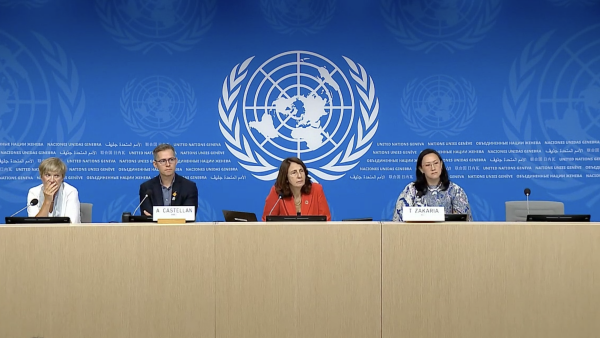
Press conference on the situation of human rights in Nicaragua by the UN Group of Human Rights Experts
1
1
1
Press Conferences | ITU , UNHCR , WHO , WMO
YEMEN - UNHCR: Escalating conflict in Yemen could fuel more displacement, refugee movement
CLIMATE - WHO / WMO: Health and Climate impact of El Niño
1
1
1
Press Conferences | HRC , OHCHR
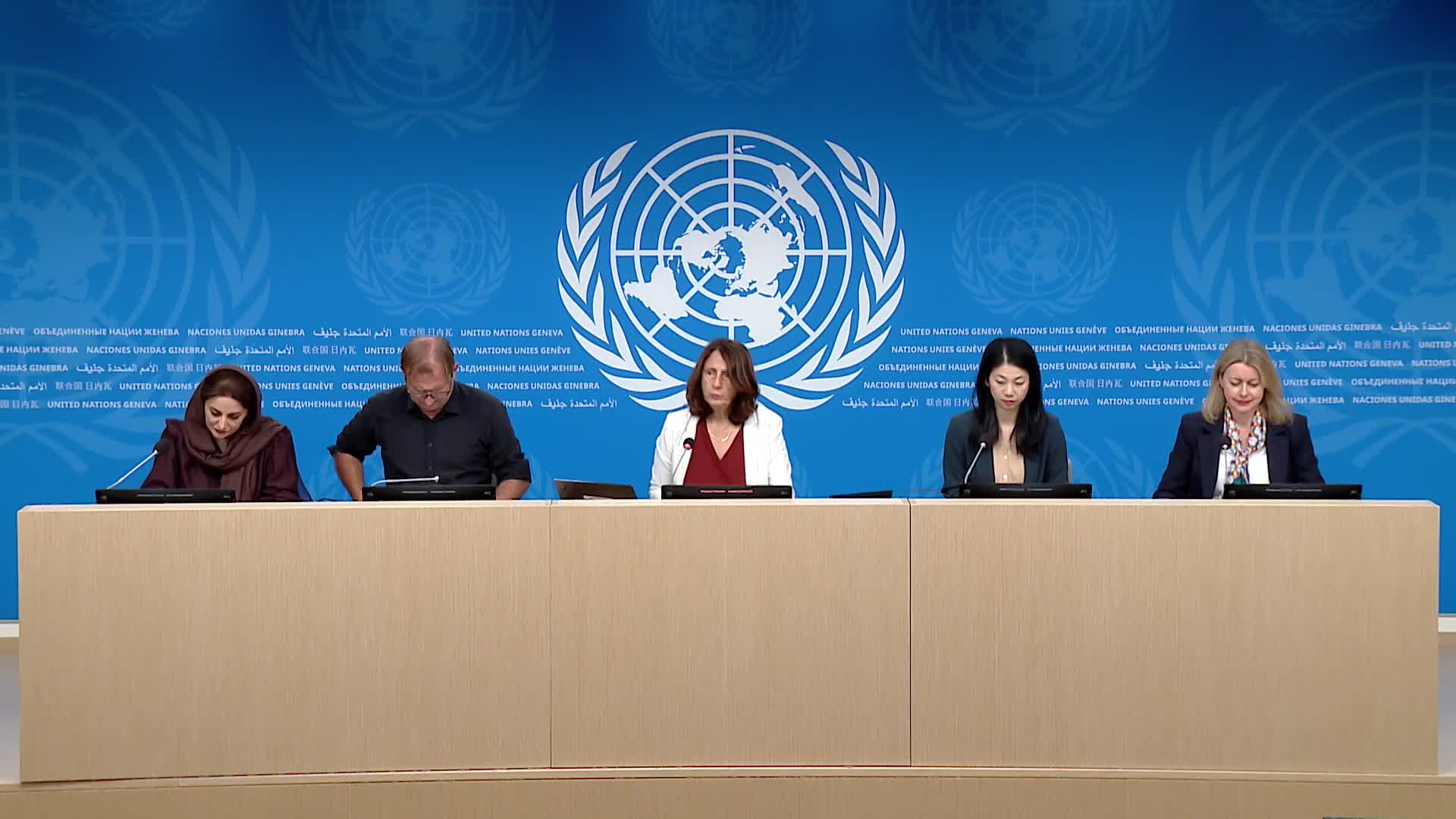
Mariana Katzarova discusses human rights in Russia as a UN Special Rapporteur.
1
1
1
Press Conferences | IOM , OHCHR , UN WOMEN , UNFPA , UNHCR , UNOPS , WHO
UN Geneva briefing: Yemen crisis worsens, urgent aid needed across multiple sectors.
1
1
1
Press Conferences | HRC
Press conference on the latest report of the Independent International Fact-Finding Mission on the Bolivarian Republic of Venezuela to the UN Human Rights Council
1
1
1
Press Conferences | OHCHR
Victims Still Waiting: A Global Briefing on Transitional Justice Around the World