

The United Nations Office at Geneva
Multimedia Newsroom
Gazans ‘anxious and living in fear’ of Israeli assault on Rafah, warns top UN aid official
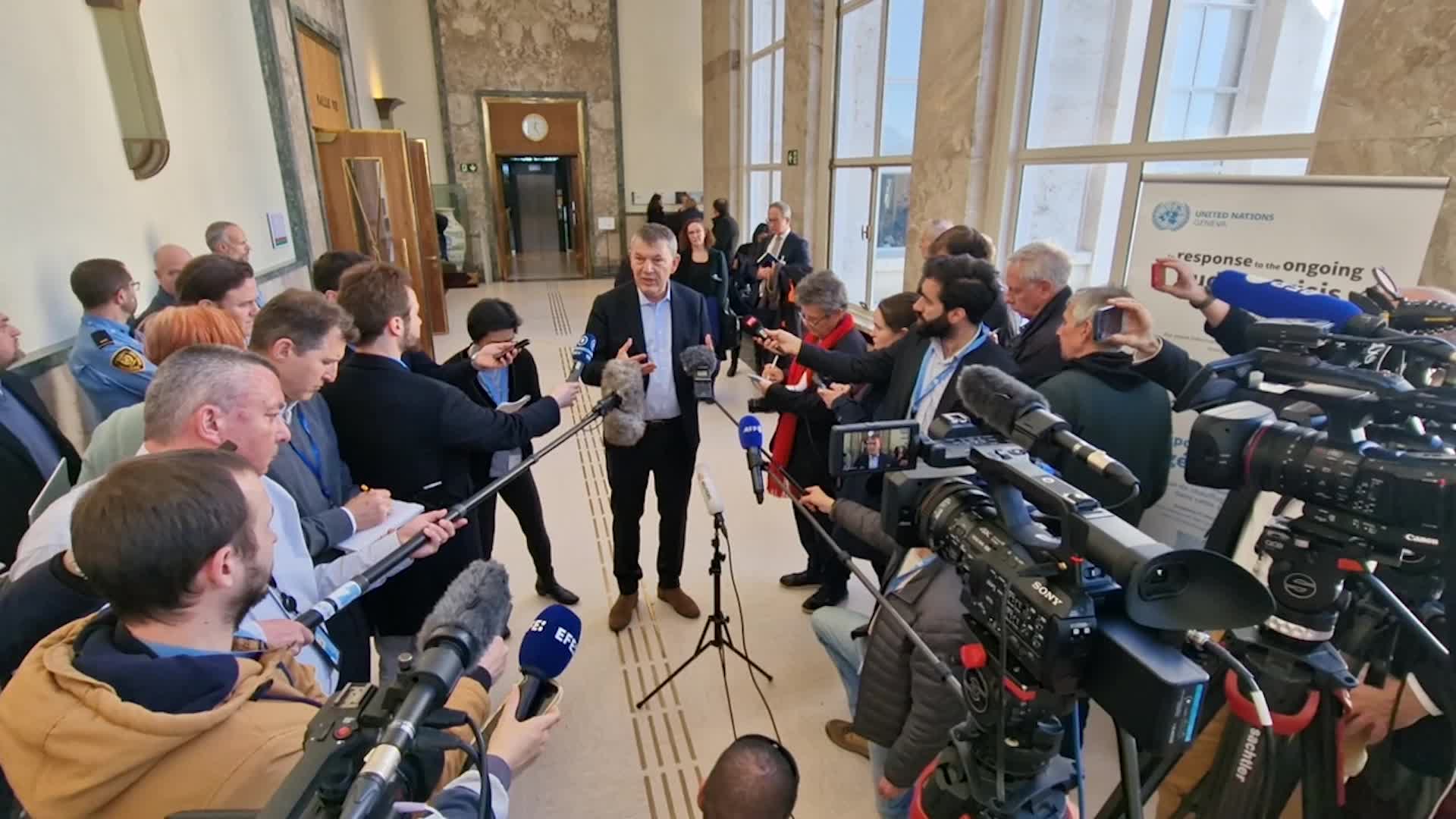
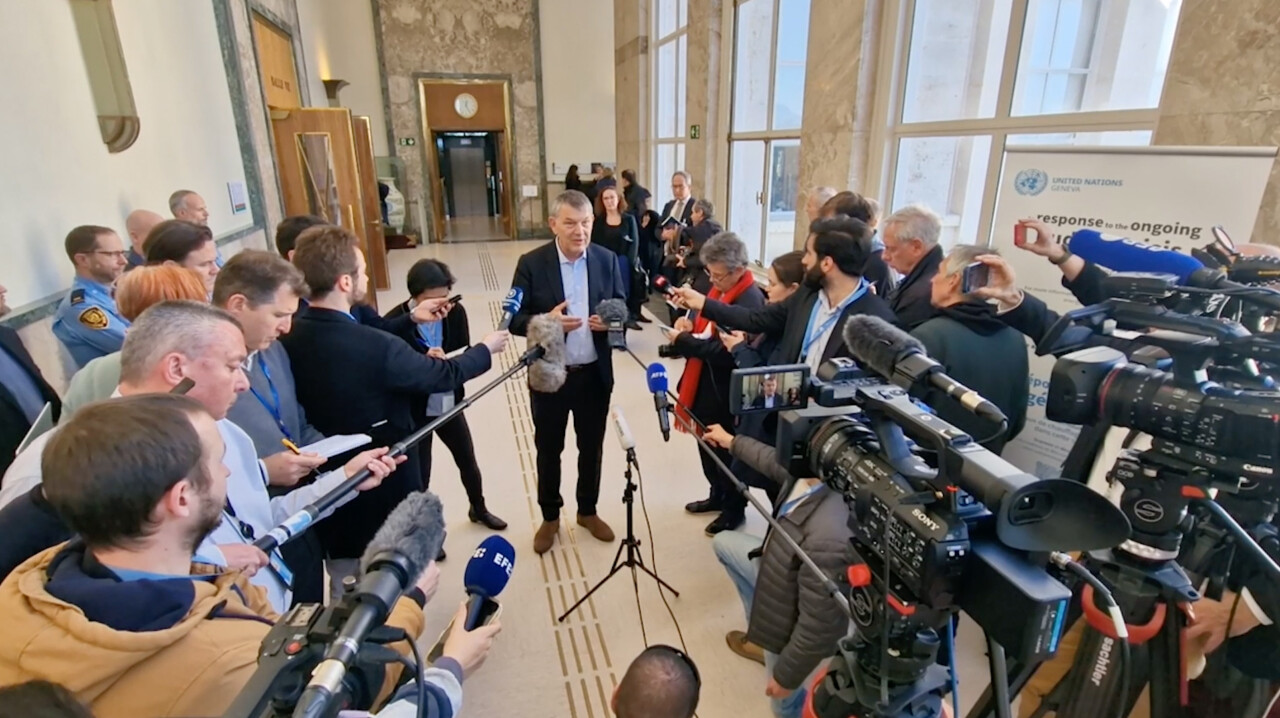
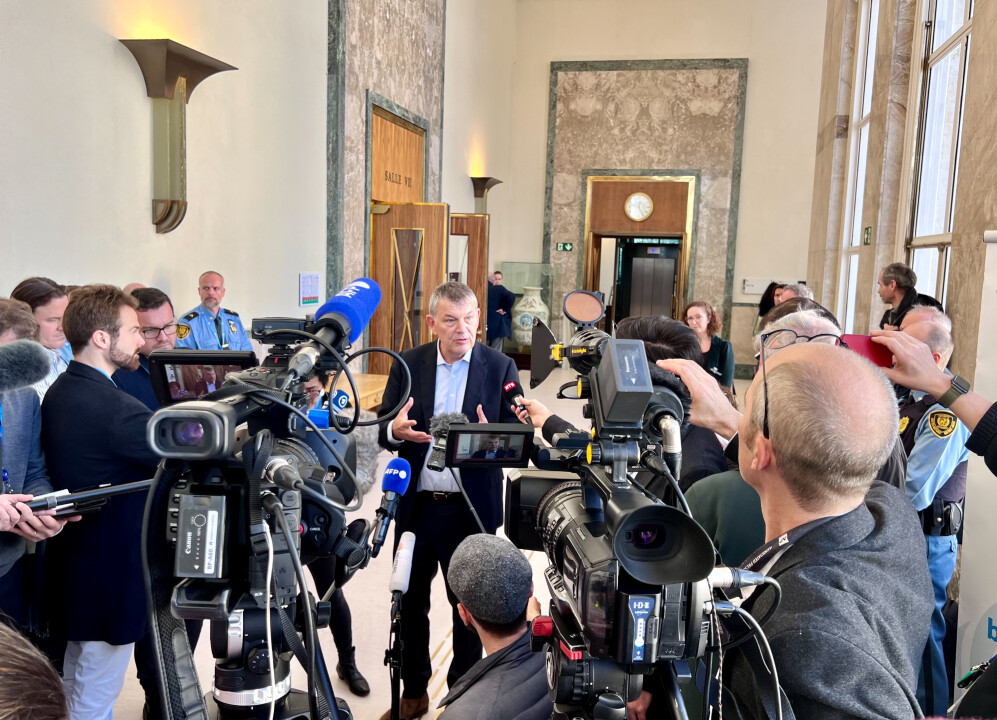
As international efforts continue to secure a ceasefire in Gaza, the head of UNRWA, the UN aid agency for Palestinians, warned on Tuesday that those in the enclave remain deeply traumatised by the war with Israel and afraid of a full-scale assault on Rafah in the south.
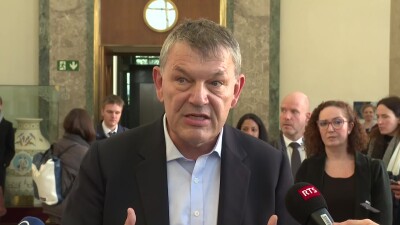
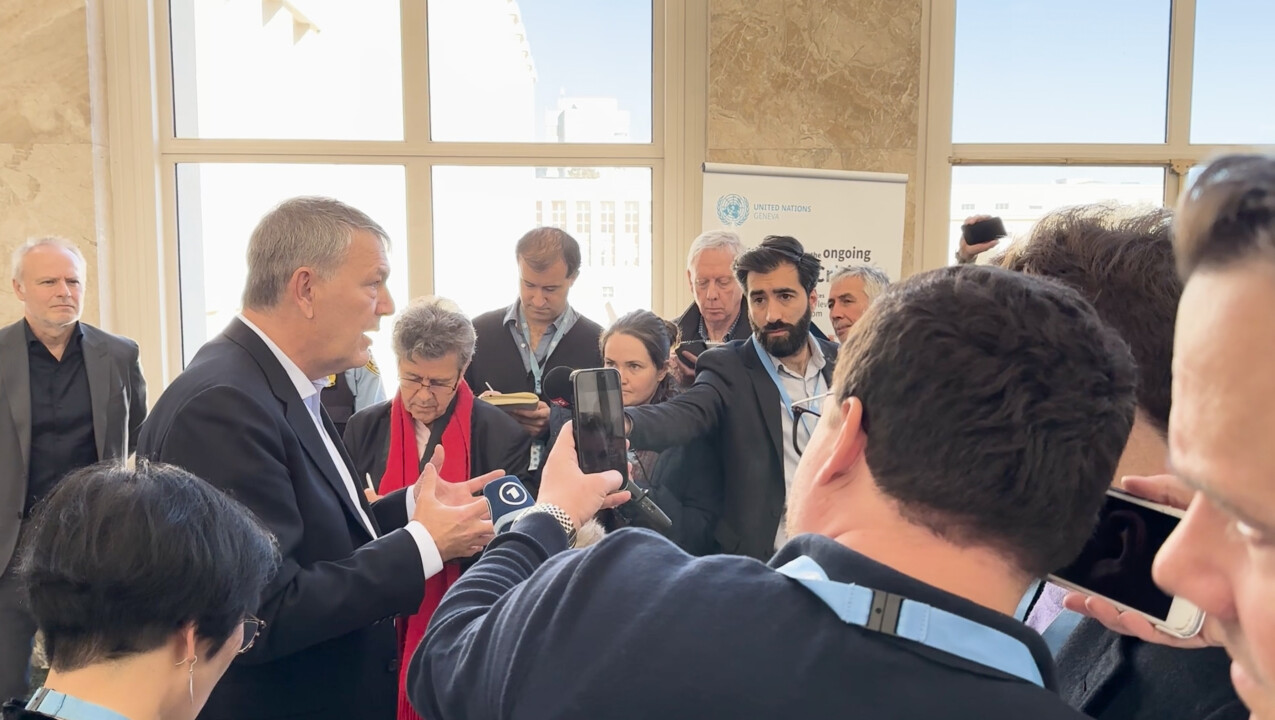
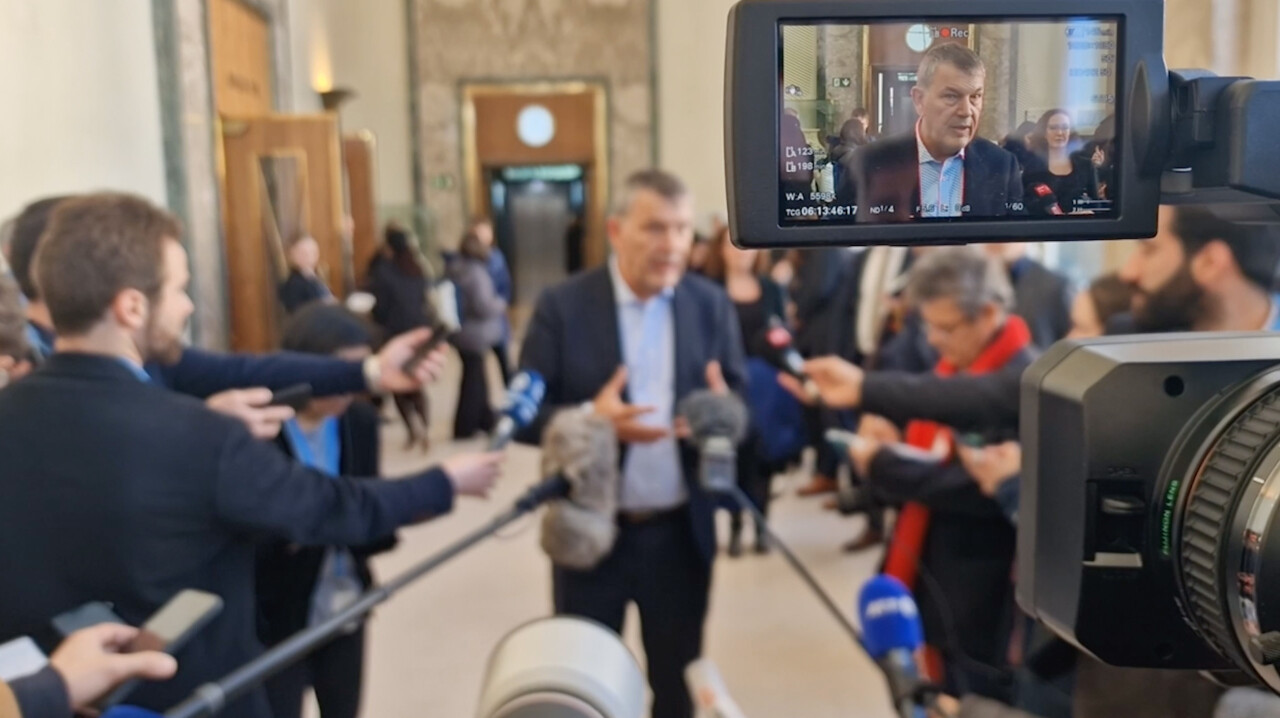
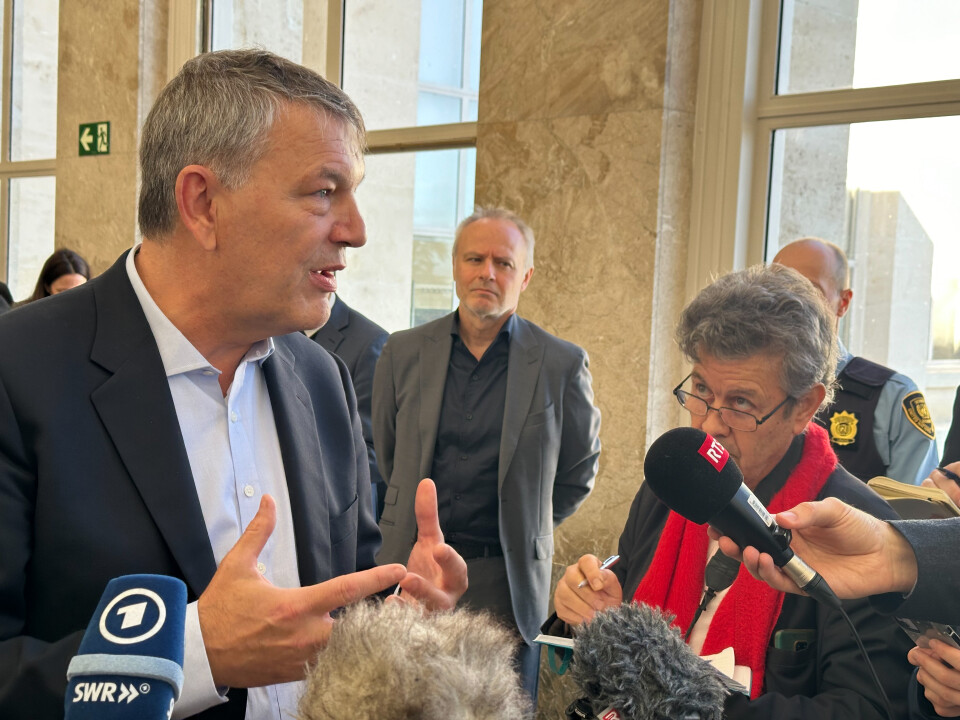
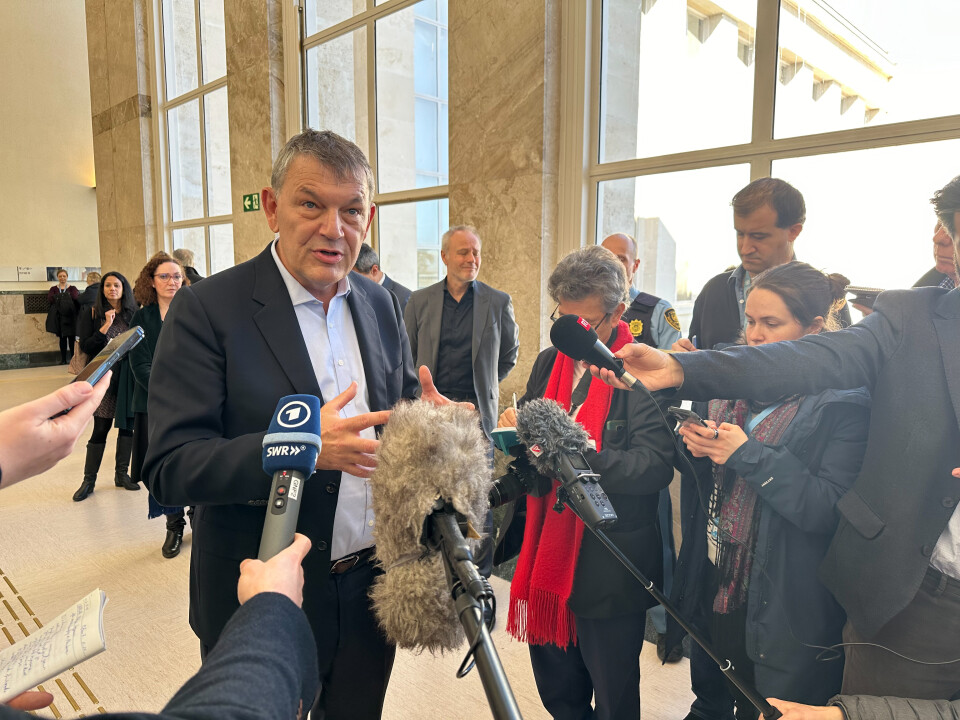
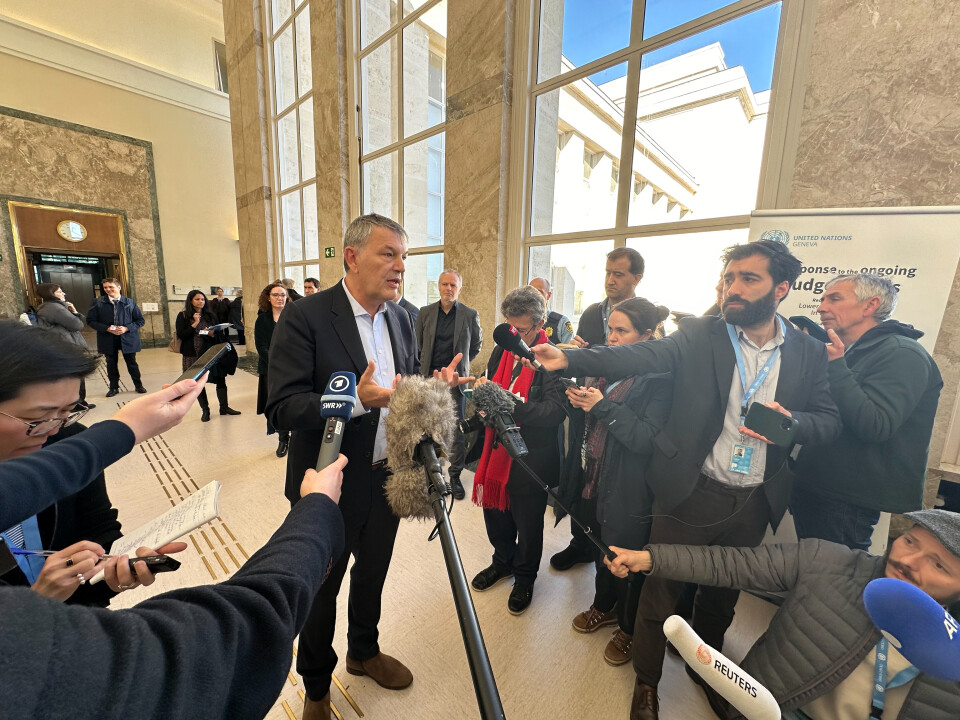
“People are anxious and in fear of a possible large-scale military operation,” Philippe Lazzarini said, after emerging from a briefing with Member States at UN Geneva. “If the assault takes place, the question is, ‘Where will the civilians go?’ There is absolutely no safe place in Rafah anymore and the fear is that the number of people killed and injured might again significantly increase.”
After more than four months of fighting, sparked by murderous Hamas-led attacks on 7 October in Israel that left some 1,200 people butchered and more than 250 taken hostage, more than 100,000 Gazans have been reported either killed, injured or are missing under the rubble by the local health authority, amid intense Israeli bombardment.
Mr. Lazzarini - who is UNRWA's Commissioner-General - insisted that it was unfeasible to expect the more than one million displaced people crammed into Rafah governorate to move once again, so that Israeli forces can continue their sweep for Hamas militants.
“They are asked to move, the question is where to move,” he said, noting that in Rafah, every spare piece of land over a 20-kilometre stretch was occupied by hundreds of thousands of people living in makeshift plastic shelters.
Turning to the issue of the serious allegations that some UNRWA staff collaborated with Hamas, the agency chief noted that he had immediately sacked those involved and initiated an investigation. Mr. Lazzarini also called for the cooperation of the Israeli authorities.
The UNRWA Commissioner-General also noted that the UN Secretary-General’s review would begin tomorrow into allegations against the agency regarding its “use of social media, about tunnels, about political affiliations” and how proactive it has been in responding to them.
The process will likely take two months but it should be accompanied by an inquiry, including into the Israeli military’s claim that a tunnel and data centre located 20 metres beneath UNRWA’s headquarters in Gaza City was used by Hamas, Mr. Lazzarini said.
“We need to look at all the situations where UN premises have been blatantly disrespected. Since the beginning of the war more than 150 of our installations have been hit. We know that some installations have been completely destroyed, hundreds of people have been killed, thousands have been injured and all this needs to be investigated independently, together with the allegation of a tunnel.”
Earlier, Israel’s Permanent Ambassador to the UN in Geneva, Meirav Eilon Shahar, noted that her Government wished “no harm” to civilians in Gaza and that it did intend to cooperate with the investigation into UNRWA, although it “remained at war with the terrorist organization Hamas”.
“Our fight is with Hamas, it is not with the Palestinian people,” said the Ambassador, who also insisted that “there are alternatives to UNRWA” – a claim rejected by Mr. Lazzarini who said that it would be “shortsighted” to close the agency at a time when senior UN humanitarians and NGOs were calling for aid to be stepped up to Gaza.
“We have half a million girls and boys deeply traumatised that we urgently need to bring back into an education system,” the UNWRA chief said. This would not be provided by “an emerging local administration”, he insisted, adding that “there is absolutely no other UN agency” or NGO with the experience in providing government-like services, including education to hundreds of thousands of children.
“If we want to give a chance to any future transition to succeed, we need also to make sure that the international community has the tools, and one of these tools is UNRWA.”
ends

Similar Stories
1
1
1
Press Conferences | IOM , UNDRR
UN stresses importance of household preparedness for disaster risk reduction.
1
1
1
Statements , Press Conferences | OHCHR
1
1
1
Press Conferences | UNHCR , UNICEF , IFRC , OHCHR , UN WOMEN , IOM , OCHA , WHO
UNHCR – ExCom Meeting, UNICEF – Nepal Recovery, IFRC – Flash Floods, WHO – Mental Health, IOM – South Sudan Floods, OCHA – DRC Humanitarian aid, UNHCR – Sahel Displacement, UNICEF – Yemen Update, IOM – Gaza Shelter, UN Women – Gaza Women, OHCHR – Arrests and detentions of Syrians by Israeli force
2
1
2
Press Conferences | UNCTAD
Presentation of the Trade and Developement Report 2026
Embargoed until 9 October 2026 at 11 a.m. (Geneva Time)
UNCTAD: UNCTAD’s flagship report finds that governments increasingly use industrial, trade, financial and technology policies to pursue economic and national security objectives. Market access and the ability to move into higher-value activities now depend more heavily on technology, finance and geopolitics.
1
1
1
Press Conferences | UPU
Release of the State of the Postal Sector Report 2026
1
1
1
Press Conferences | IOM , ITU , UNECE , UNICEF , WHO , WMO
UNICEF: Ebola, DRC - children orphans or separating them from parents and caregivers; IOM: Humanitarian needs in Djibouti amid arrivals from Yemen and increased migrant movements; WHO: Darfur, scale of health needs far exceeds available resources; WMO co-sponsored Global Heat Forum, Bangkok, monthly Global Seasonal Climate Update; UNECE: UN Forum of Mayors; ITU Plenipotentiary Conference 2026; WHO: child and adolescent obesity guidelines and new global roadmap to tackle pregnancy hypertension, a leading cause of maternal mortality
1
1
1
Press Conferences | OCHA , UN WOMEN , UNHCR , WFP , WHO , WTO , UNEP
OCHA – $160M CERF allocation to 12 underfunded crises; UNHCR – 5.8M refugee children remain out of school amid funding cuts; UN Women – Middle East escalation and food security among women/girls; WHO – Gaza supplies and overall situation; WFP – Yemen food insecurity and impact on global hunger ; UNEP - First International Conference of the Global Framework on Chemicals in Geneva | 16-20 November 2026
1
1
1
Press Conferences | UNHCR , WHO
Yemen's health system nears collapse amid conflict, causing rising casualties and medicine shortages.
1
1
1
Press Conferences | HRC
Update by the Expert Mechanism to Advance Racial Justice and Equality in Law Enforcement
1
1
1
Press Conferences | WIPO , WHO , UNICEF , UNHCR , IOM , WFP , FAO
WIPO Global Innovation Index 2026 launch and press conference, WHO Composition of influenza vaccines for the 2027 Southern Hemisphere flu season, UNICEF Yemen hunger and malnutrition; UNHCR Sudan displacement into Chad; IOM Ebola and population movements in DRC; WFP emergency food assistance in Nepal; and FAO food loss and waste.
2
1
2
Press Conferences | UNCTAD
Gaza reconstruction needs reach $71.5 billion as Palestinian economy and public finances face severe strain. Latest UNCTAD report documents the loss of decades of development gains, economic collapse in Gaza and tightening economic constraints in the West Bank.
The report identifies three immediate priorities: transferring withheld Palestinian revenues, safeguarding the banking system and aligning reconstruction support with the documented scale of damage and economic losses.
1
1
1
Press Conferences | HRC
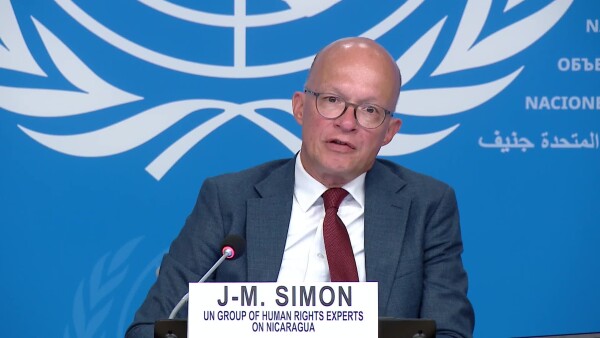
Press conference on the situation of human rights in Nicaragua by the UN Group of Human Rights Experts