

The United Nations Office at Geneva
Multimedia Newsroom
Ukraine
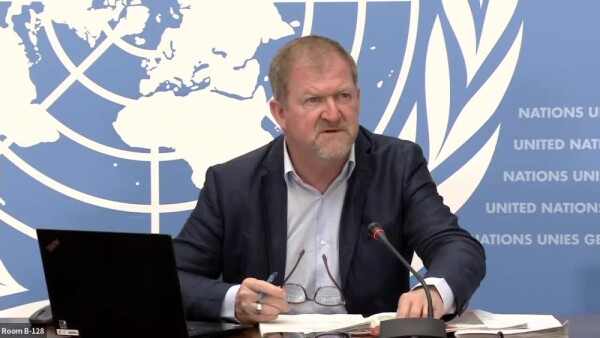
Dr. Dorit Nizan, Incident Manager for Ukraine at the World Health Organization (WHO), speaking from Zaporizhzhia, said that, along with other UN agencies, WHO was now expecting additional evacuees to arrive from the Mariupol area. UN and partners were working with the national and local authorities on this, and everyone was hoping for good news soon. WHO had topped up supplies of medicine and consumables in Zaporizhzhia, she said. Since the start of the war, the WHO had repurposed its mission in the country, assessed the situation and had so far delivered 382 tons of medical aid to Ukraine. WHO had been tailoring the trainings, supply and support to the specificities of the Ukrainian health system. Efforts were being made to strengthen the health information system, and WHO teams were embedded in warehouses all over the country. The list of needs was growing, but Ukraine was resilient, stressed Dr. Nizan.
Mr. LeBlanc referred to a statement by the Office for the Coordination of Humanitarian Affairs (OCHA) in Ukraine, which said the UN would continue to push for the safe passage out of Mariupol city for all those civilians who wish to leave. The UN is engaging actively with parties to advance these efforts. As the evacuation operation is ongoing, details of the joint UN/ICRC initiative would be provided later to ensure the safety of the civilians and humanitarians in the convoy.
Replying to questions, Dr. Nizan stated that some health workers had left the Zaporizhzhia region due to its proximity to the active conflict zone, but health facilities had been reinforced with medical staff from other parts of the country and volunteers. People continued to be coming from Mariupol and the surrounding area; the health teams waiting for them were ready to treat burns, fractions, wounds, infections, but the exact needs would be known once the convoys arrived. Dr. Nizan explained that there were estimates that around 100,000 people remained in Mariupol; before the war, the city’s population had numbered around 500,000. Since 30 April, most people arriving had been women and children, coming from the surrounding villages and communities rather than from the Azovstal plant. While there had been no major injuries among those who had arrived, mental health remained a point of concern. On another question, Dr. Nizan explained that the WHO had established hubs across the country, but it was very challenging to work and move around, as the country was vast. The Ukrainian health system was well prepared and resilient, especially with the help it was receiving.
As of today, WHO had received 186 reports of attacks on health care in Ukraine, causing 73 deaths and 54 injuries, added Tarik Jašarević, also for the World Health Organization. On 10 May, there would be a regional WHO Europe meeting on the impact of the war on the health system in Ukraine, which would be streamed live.
Announcements
Rhéal LeBlanc, for the United Nations Information Service (UNIS), informed that today was the World Press Freedom Day, on the occasion of which the Secretary-General had issued a message. On this day, the Secretary-General said the United Nations was shining a spotlight on the essential work of journalists and other media workers who sought transparency and accountability from those in power, often at great personal risk. Without freedom of the press, there were no real democratic societies, and no freedom.
At UNHQ in New York, on 4 May at 4:30 p.m. Geneva time, there would be an event on journalism under digital siege, to be moderated by Melissa Fleming, UN Under-Secretary-General for Global Communications. This event would be webcast live on UNTV.
Mr. LeBlanc informed that today at 12 p.m. noon, there would be a press conference by OCHA on the humanitarian situation in the Democratic Republic of the Congo. Speakers would be Bruno Lemarquis, Resident and Humanitarian Coordinator in the Democratic Republic of the Congo, and Modeste Mutinga Mutuishayi, Minister of Humanitarian Action and National Solidarity of the DRC.
On 5 May at 11 a.m., there would be a launch of ILO report on Social Dialogue 2022. Speakers would be Guy Ryder, ILO Director-General, and Vera Paquete-Perdigao, Director, Governance Department at the ILO.
The Committee Against Torture would being on 4 May in the morning the review of the report of Kenya.
The Committee on the Rights of the Child was opening this morning its 90th session and would begin this afternoon the review of the report of Greece.
Similar Stories

1
1
1
Press Conferences | UNHCR
End of UNHCR's 77th Annual Executive Committee (ExCom) meeting week

1
1
1
Press Conferences | UNICEF , IOM , UNHCR
UN Special Assistant to the Personal Envoy Office (SUDAN): Peace Initiatives and Efforts in Sudan; UNICEF: Dire situation of children in Gaza; IOM: Damaged Homes and Energy Attacks Risk Displacing Ukrainians for this winter; UNHCR: update on EXCOM week

1
1
1
Press Conferences | IOM , UNDRR
UN stresses importance of household preparedness for disaster risk reduction.

1
1
1
Statements , Press Conferences | OHCHR

1
1
1
Press Conferences | UNHCR , UNICEF , IFRC , OHCHR , UN WOMEN , IOM , OCHA , WHO
UNHCR – ExCom Meeting, UNICEF – Nepal Recovery, IFRC – Flash Floods, WHO – Mental Health, IOM – South Sudan Floods, OCHA – DRC Humanitarian aid, UNHCR – Sahel Displacement, UNICEF – Yemen Update, IOM – Gaza Shelter, UN Women – Gaza Women, OHCHR – Arrests and detentions of Syrians by Israeli force

2
1
2
Press Conferences | UNCTAD
Presentation of the Trade and Developement Report 2026
Embargoed until 9 October 2026 at 11 a.m. (Geneva Time)
UNCTAD: UNCTAD’s flagship report finds that governments increasingly use industrial, trade, financial and technology policies to pursue economic and national security objectives. Market access and the ability to move into higher-value activities now depend more heavily on technology, finance and geopolitics.

1
1
1
Press Conferences | UPU
Release of the State of the Postal Sector Report 2026
1
1
1
Press Conferences | IOM , ITU , UNECE , UNICEF , WHO , WMO
UNICEF: Ebola, DRC - children orphans or separating them from parents and caregivers; IOM: Humanitarian needs in Djibouti amid arrivals from Yemen and increased migrant movements; WHO: Darfur, scale of health needs far exceeds available resources; WMO co-sponsored Global Heat Forum, Bangkok, monthly Global Seasonal Climate Update; UNECE: UN Forum of Mayors; ITU Plenipotentiary Conference 2026; WHO: child and adolescent obesity guidelines and new global roadmap to tackle pregnancy hypertension, a leading cause of maternal mortality
1
1
1
Press Conferences | OCHA , UN WOMEN , UNHCR , WFP , WHO , WTO , UNEP
OCHA – $160M CERF allocation to 12 underfunded crises; UNHCR – 5.8M refugee children remain out of school amid funding cuts; UN Women – Middle East escalation and food security among women/girls; WHO – Gaza supplies and overall situation; WFP – Yemen food insecurity and impact on global hunger ; UNEP - First International Conference of the Global Framework on Chemicals in Geneva | 16-20 November 2026
1
1
1
Press Conferences | UNHCR , WHO
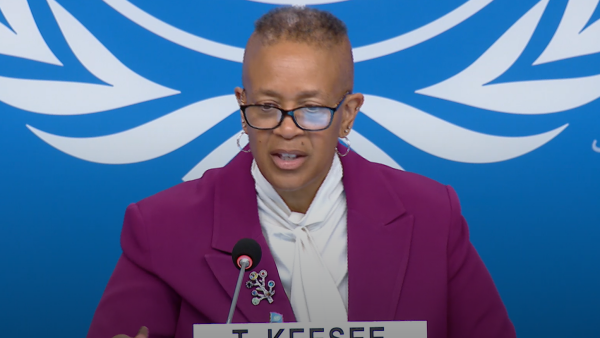
Yemen's health system nears collapse amid conflict, causing rising casualties and medicine shortages.
1
1
1
Press Conferences | HRC
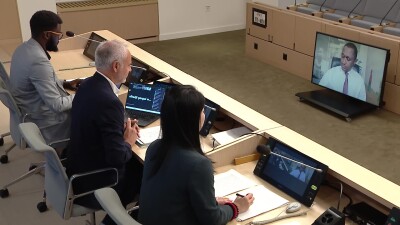
Update by the Expert Mechanism to Advance Racial Justice and Equality in Law Enforcement
1
1
1
Press Conferences | WIPO , WHO , UNICEF , UNHCR , IOM , WFP , FAO
WIPO Global Innovation Index 2026 launch and press conference, WHO Composition of influenza vaccines for the 2027 Southern Hemisphere flu season, UNICEF Yemen hunger and malnutrition; UNHCR Sudan displacement into Chad; IOM Ebola and population movements in DRC; WFP emergency food assistance in Nepal; and FAO food loss and waste.